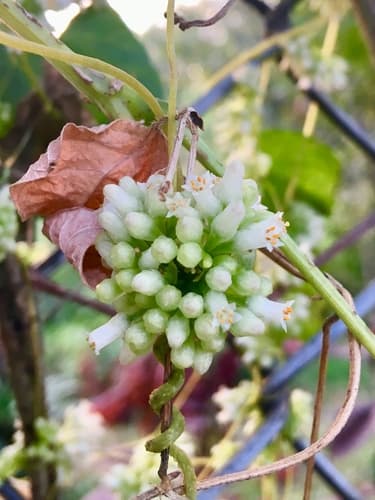
Cuscuta corymbosa
NameCuscuta corymbosa
Scientific NameCuscuta corymbosa
Common NamesDodder, Love Vine, Strangleweed
Plant FamilyConvolvulaceae
Natural HabitatAs a parasitic plant, Cuscuta corymbosa grows on a variety of host plants, often found in disturbed areas, fields, gardens, and along roadsides, attaching to herbaceous plants and shrubs.
Parts Usedwhole_plant,seed
Medicinal Actionsadaptogen, anti-inflammatory, antioxidant, diuretic
Traditional UsesTraditionally, species within the Cuscuta genus (particularly C. chinensis and C. japonica) are used in Traditional Chinese Medicine (TCM) to tonify the kidney and liver, improve vision, and treat conditions such as impotence, premature ejaculation, frequent urination, and blurry vision. It is also valued as a general tonic and adaptogen for overall debility.
Active ConstituentsFlavonoids, Lignans, Polysaccharides, Saponins
Preparation Methodsinfusion, decoction, tincture, powder
Contraindications & WarningsAvoid during pregnancy and lactation. Use with caution in individuals with qi deficiency or constipation. May interact with medications that affect blood sugar or hormones.
Cultivation NotesCuscuta corymbosa is a parasitic plant that requires a living host to grow and thrive, making conventional cultivation for medicinal harvest impractical. It germinates from seed and must quickly attach to a suitable host plant to establish itself.
Raritycommon
Description
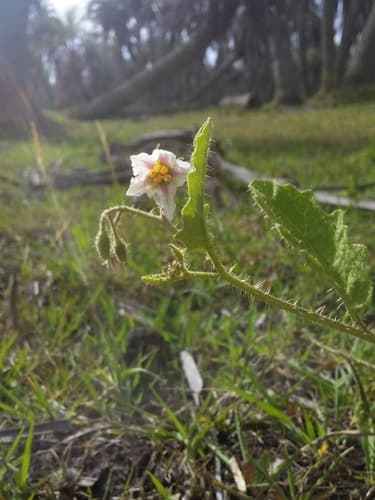
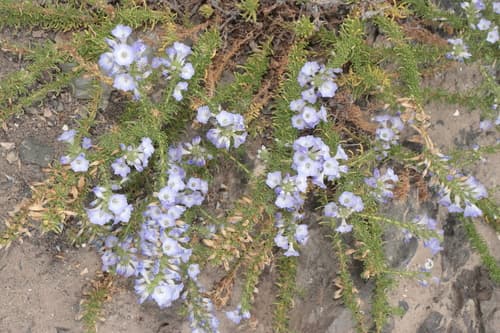
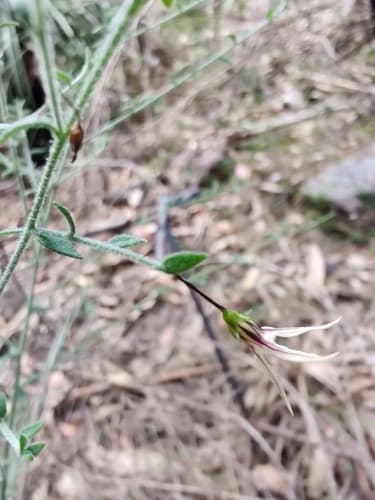
Cuscuta corymbosa is a parasitic, leafless vine characterized by its slender, thread-like stems that twine around host plants. It produces dense clusters of small, white to cream-colored, bell-shaped flowers, as seen in the image, which are typically borne in cymose inflorescences.