Arents' Tobacco
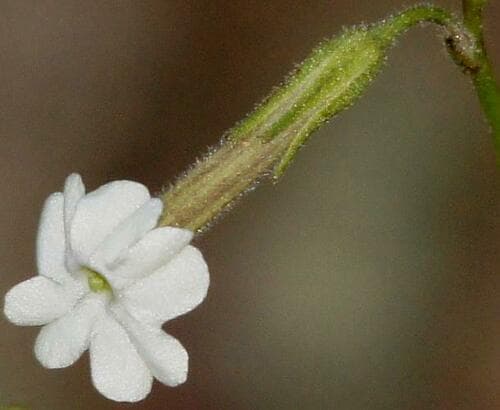
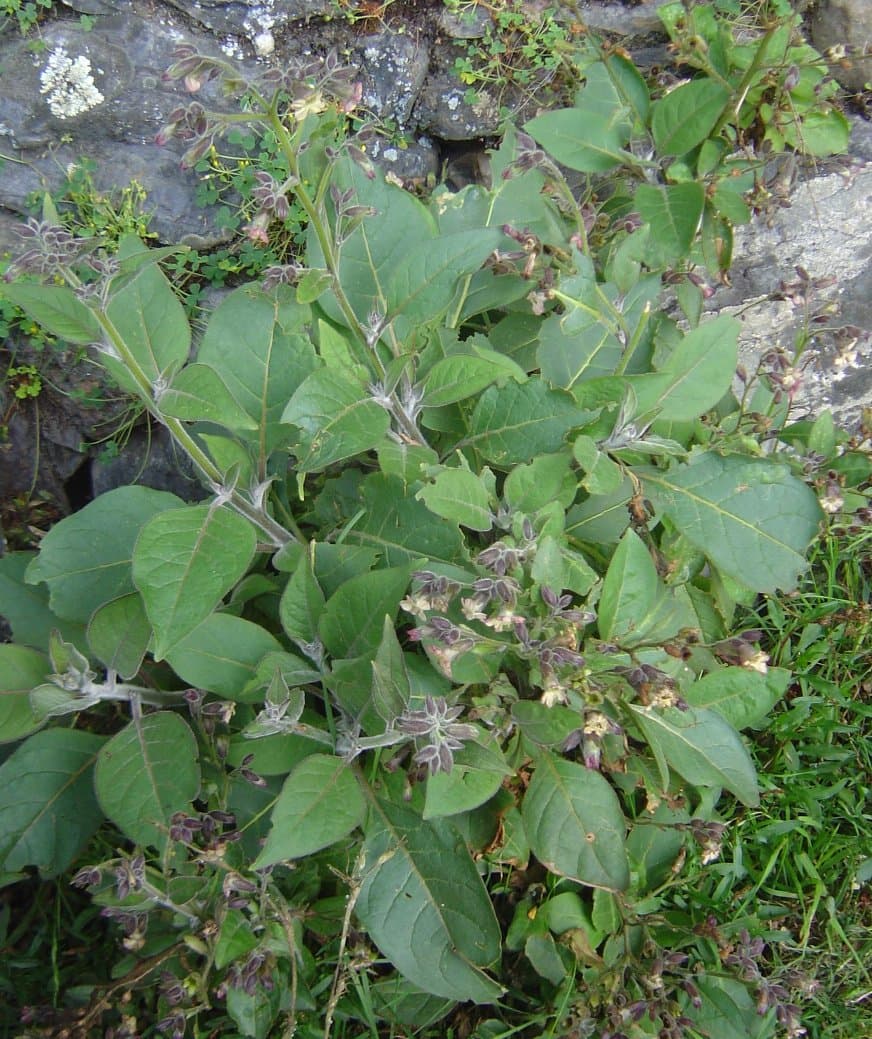
Image: Alfredo F. Fuentes (cc-by-nc)
NameArents' Tobacco
Scientific NameNicotiana arentsii
Common NamesArents' Tobacco, Wild Tobacco
Plant FamilySolanaceae
Natural HabitatNative to South America, particularly Bolivia and Argentina, Nicotiana arentsii thrives in disturbed areas, roadsides, open woodlands, and along riverbanks. It prefers sunny locations with well-drained soil.
Parts Usedleaf,flower,whole_plant
Medicinal Actionsanalgesic, nervine
Traditional UsesTraditionally, various Nicotiana species, including wild tobaccos like N. arentsii, have been used by indigenous cultures for ritualistic and ceremonial purposes, as well as for their psychoactive properties. In some traditional practices, the leaves might be used topically as a poultice for pain relief, or internally (with extreme caution and in very small, controlled doses) for their stimulant or sedative effects, often in shamanic contexts. However, its use is highly restricted due to significant toxicity.
Active Constituentsnicotine, nornicotine, anabasine, other pyridine alkaloids
Preparation Methodsinfusion, poultice, powder
Contraindications & WarningsNicotiana arentsii is highly toxic due to its high alkaloid content, especially nicotine. It is extremely dangerous for internal consumption and can cause severe poisoning, addiction, and death. Contraindicated for pregnant or breastfeeding individuals, those with heart conditions, high blood pressure, ulcers, diabetes, hyperthyroidism, glaucoma, or pheochromocytoma. Avoid use with other medications, especially those affecting the central nervous system or cardiovascular system. Not for self-medication.
Cultivation NotesThis species can be cultivated in full sun with well-drained soil. It is generally grown as an annual in temperate climates and can be started from seed. Requires moderate watering and is relatively hardy once established, often self-seeding in favorable conditions.
Rarityuncommon
Description
Nicotiana arentsii is a wild tobacco species characterized by its broad, ovate to lanceolate leaves, often covered in fine hairs, and small, tubular flowers typically clustered at the stem tips. The flowers are usually a muted purplish-brown or cream color. It grows as an herbaceous plant, often reaching moderate heights.