Passionflower
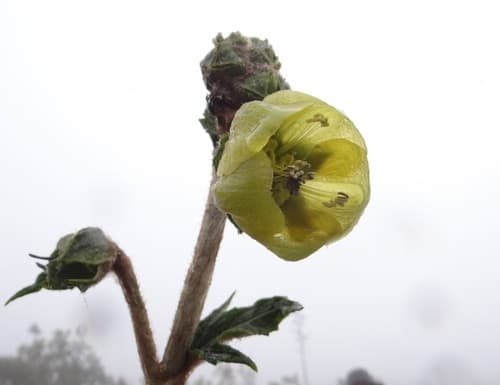
Image: Steve O'Neil (cc-by-nc)
NamePassionflower
Scientific NamePassiflora incarnata L.
Common NamesMaypop, Purple Passionflower, Wild Apricot, Apricot Vine
Plant FamilyPassifloraceae
Natural HabitatFound in open fields, roadsides, disturbed areas, forest edges, and along stream banks in temperate to subtropical regions. It thrives in full sun to partial shade and prefers well-drained soil.
Parts Usedleaf,flower,whole_plant
Medicinal Actionsnervine, sedative, anti-inflammatory, analgesic
Traditional UsesTraditionally, Passionflower has been used as a calming herb to alleviate anxiety, insomnia, nervousness, and restlessness. It is also employed for its mild pain-relieving properties, to soothe muscle spasms, and to assist in easing withdrawal symptoms from certain substances.
Active ConstituentsFlavonoids (e.g., vitexin, isovitexin), Indole alkaloids (e.g., harmine, harman), Gamma-aminobutyric acid (GABA), Maltol
Preparation Methodsinfusion, decoction, tincture, powder
Contraindications & WarningsMay cause drowsiness; caution is advised when operating machinery or driving. It may potentiate the effects of sedative medications, anxiolytics, and alcohol. Not recommended for use during pregnancy or lactation without consulting a healthcare professional.
Cultivation NotesGrows best in full sun to partial shade with well-drained soil. As a vigorous climber, it requires a trellis or other support structure. It tolerates a range of soil types but prefers slightly acidic to neutral conditions and can be invasive in some areas.
Raritycommon
Description
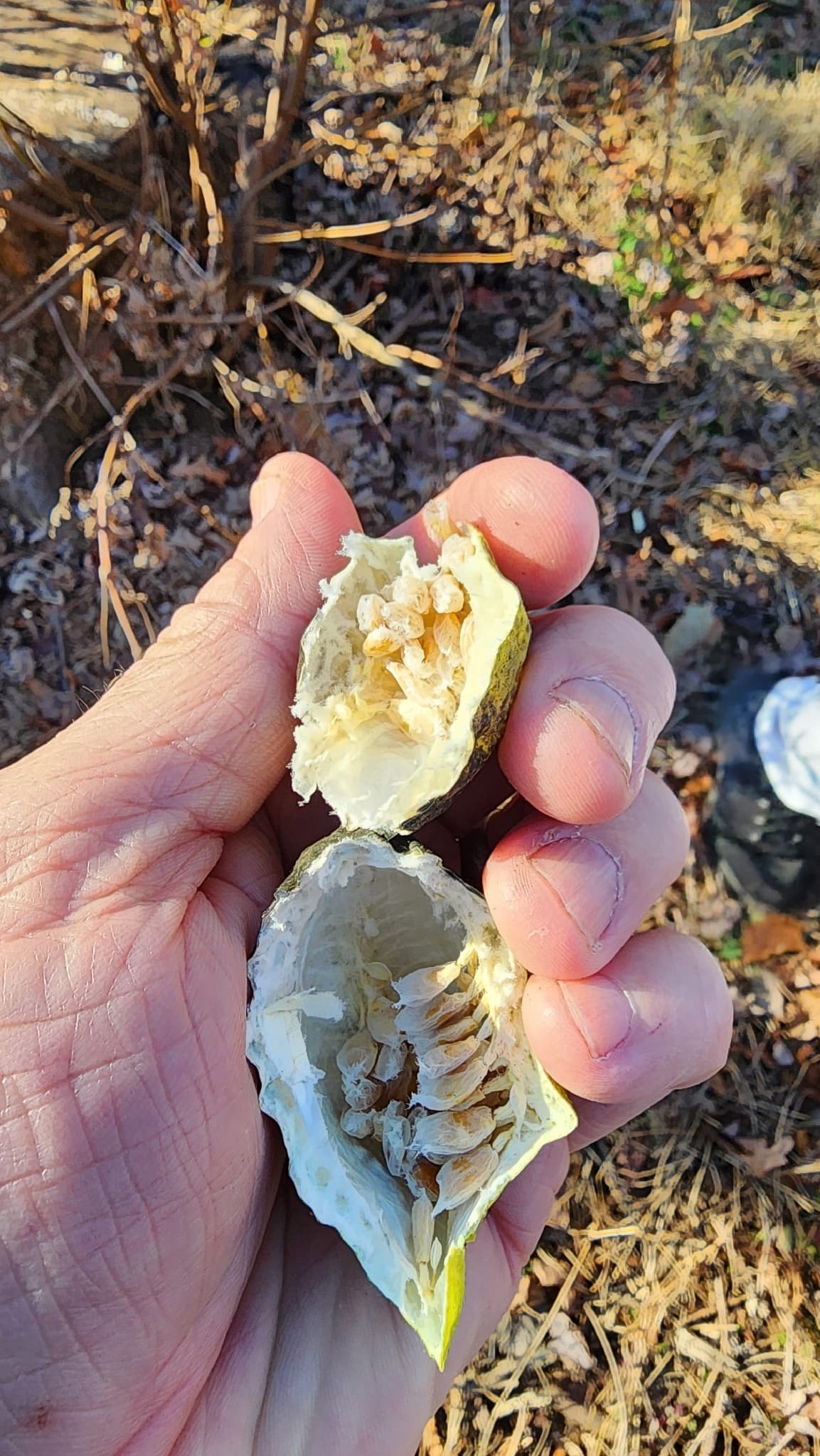
Passiflora incarnata is a vigorous, perennial climbing vine native to the southeastern United States, characterized by its intricate, showy purple and white flowers. It produces edible, ovoid fruits known as maypops, which ripen to a yellow color. The plant climbs using tendrils and features deeply lobed leaves.