European scopolia
NameEuropean scopolia
Scientific NameScopolia carniolica
Common NamesEuropean Scopolia, Henbane Bell, Deadly Nightshade Bell
Plant FamilySolanaceae
Natural HabitatNative to Central and Eastern Europe, it thrives in moist, shady deciduous woodlands, often found in rich, humus-filled soil on forest edges or clearings.
Parts Usedroot
Medicinal Actionsanalgesic, sedative
Traditional UsesTraditionally, European scopolia has been used as a powerful narcotic and sedative, primarily for its pain-relieving and antispasmodic properties. Due to its high toxicity, it was historically employed under strict medical supervision for conditions requiring strong anticholinergic effects, such as severe pain, spasms, and as a pre-anesthetic.
Active Constituentsscopolamine, atropine, hyoscyamine
Preparation Methodstincture, powder
Contraindications & WarningsExtremely toxic; internal use is highly dangerous and should only be under strict medical supervision. Contraindicated in glaucoma, prostatic hypertrophy, heart conditions, pregnancy, breastfeeding, and in conjunction with other anticholinergic medications. Overdose can be fatal.
Cultivation NotesPrefers partial to full shade and moist, well-drained, humus-rich soil. It is a hardy perennial that can be propagated by seed or division of rhizomes. Handle with extreme caution due to its toxicity.
Rarityuncommon
Description
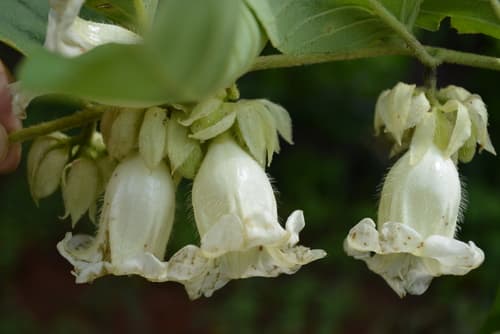
A herbaceous perennial plant growing up to 60 cm tall, featuring ovate, bright green leaves and distinctive bell-shaped, reddish-brown to purplish flowers that hang downwards. It emerges early in spring, often before other woodland plants.