Cestrum brevifolium
NameCestrum brevifolium
Scientific NameCestrum brevifolium
Plant FamilySolanaceae
Natural HabitatNative to South America, particularly Brazil, Cestrum brevifolium typically grows in dry, open areas, scrublands, and forest edges. It prefers sunny locations and well-drained soil.
Parts Usedleaf
Medicinal Actionsanalgesic, anti-inflammatory
Traditional UsesSpecific traditional medicinal uses for Cestrum brevifolium are not widely documented. However, within the Cestrum genus, some species' leaves have been traditionally used in folk medicine, often externally as poultices for pain and inflammation. It is crucial to note that all parts of Cestrum species, especially the berries, are highly toxic, and internal use is extremely dangerous.
Active Constituentssteroidal saponins, alkaloids, flavonoids
Preparation Methodspoultice
Contraindications & WarningsALL parts of Cestrum brevifolium, especially the berries, are highly toxic and should NOT be ingested. Ingestion can cause severe gastrointestinal distress, neurological symptoms, and can be fatal. Contact with sap may cause skin irritation. Avoid use by pregnant or nursing individuals, children, and those with liver or kidney conditions. This plant is primarily known for its toxicity rather than safe medicinal use.
Cultivation NotesCestrum brevifolium prefers full sun to partial shade and well-drained soil. It is relatively drought-tolerant once established and can be propagated from seeds or cuttings. Due to its toxicity, it should be planted with extreme caution, especially in areas accessible to children or pets.
Raritycommon
Description
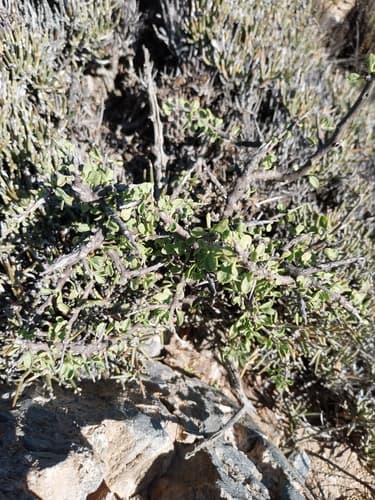
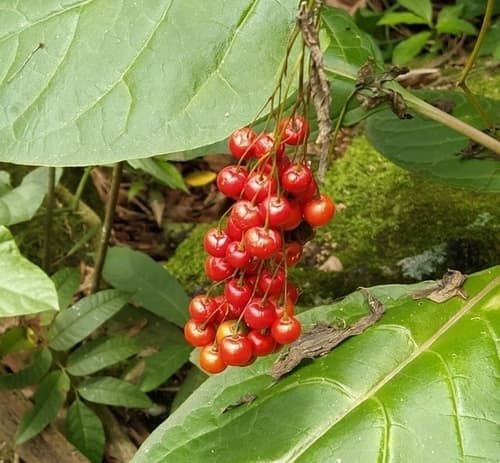
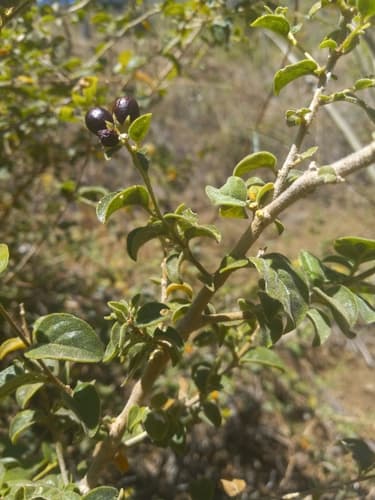
Cestrum brevifolium is a woody shrub characterized by small, ovate to elliptic leaves, often with a somewhat rough texture. It produces clusters of small, dark purplish-black berries, and has slender, branched stems. This species is native to South America.