Nasa profundilobata
NameNasa profundilobata
Scientific NameNasa profundilobata
Common NamesOrtiga brava, Andean Stinging Nettle
Plant FamilyLoasaceae
Natural HabitatTypically found in high-altitude Andean regions of South America, often thriving in moist, cloud forest, or paramo environments. It prefers cool, humid conditions.
Parts Usedflower,leaf,whole_plant
Medicinal Actionsanalgesic, anti-inflammatory, antimicrobial
Traditional UsesTraditionally, some Nasa species, including those with stinging hairs, are used externally for rheumatic pain, arthritis, and muscle aches. This often involves applying the stinging leaves directly to the skin (urtication therapy) to create a counter-irritant effect. Less commonly, poultices from the plant may be used for wound healing or skin conditions, though extreme caution is advised due to the potent stinging properties.
Active ConstituentsHistamine, Acetylcholine, Serotonin, Formic acid, Flavonoids, Phenolic compounds
Preparation Methodspoultice, powder
Contraindications & WarningsDirect contact with the plant's stinging hairs (glochids) can cause severe irritation, redness, swelling, and pain. Not recommended for internal use without expert guidance due to potential toxicity and the stinging nature. Avoid contact with eyes and mucous membranes. Individuals with sensitive skin, allergies, or respiratory conditions should exercise extreme caution.
Cultivation NotesPrefers cool, moist, high-altitude conditions with well-drained, humus-rich soil. Requires protection from strong winds and direct, intense sunlight. Propagation is typically by seed, and it may be challenging to cultivate outside its native Andean habitat.
Rarityrare
Description
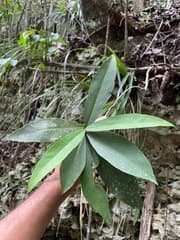
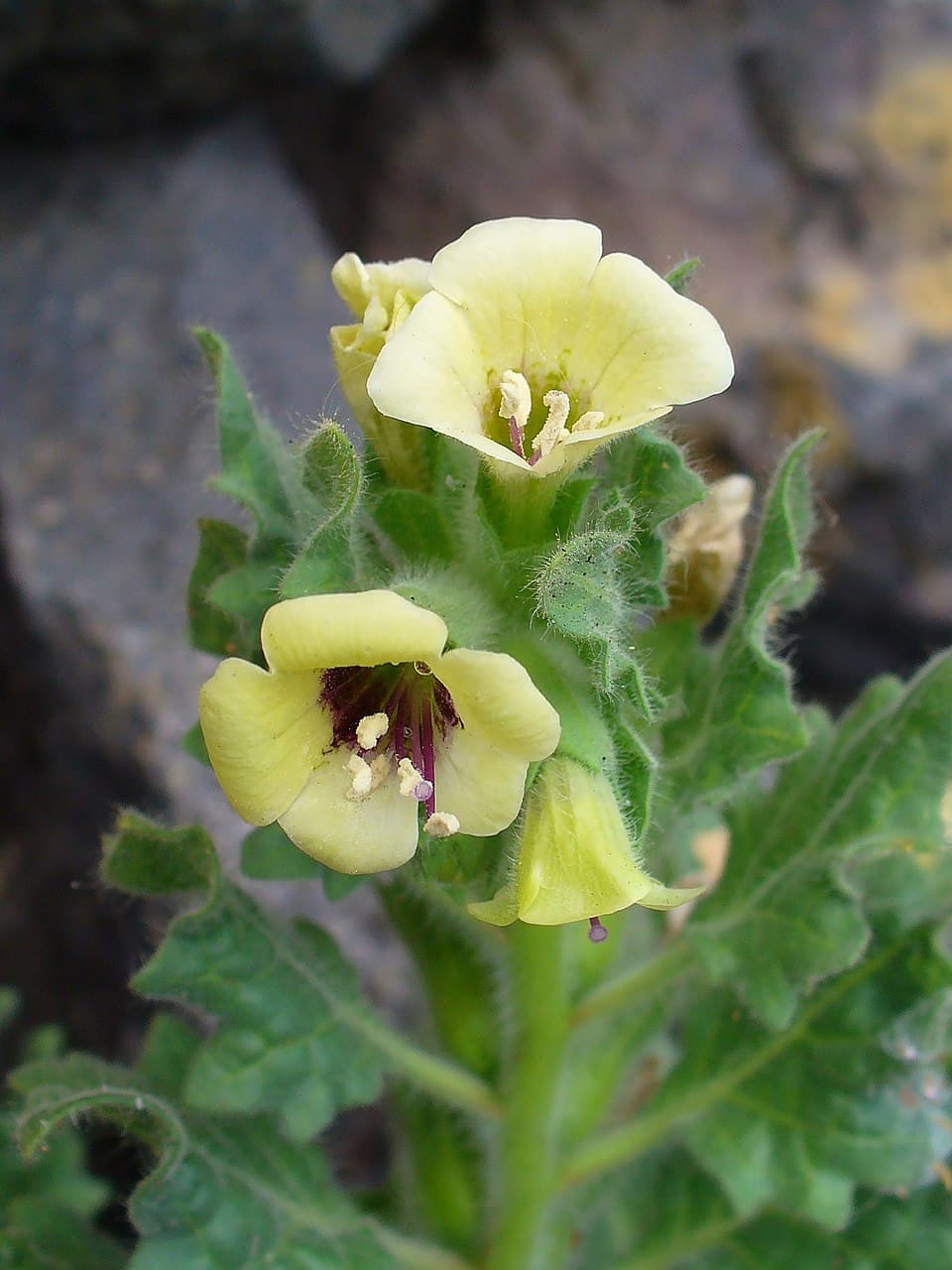
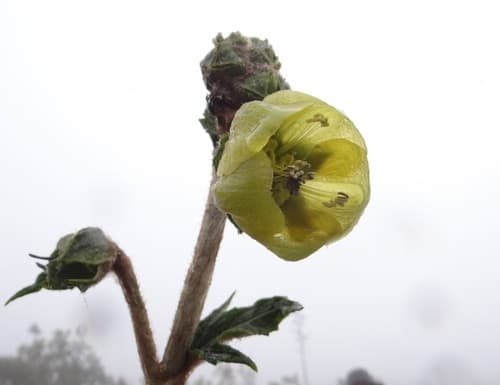
This herbaceous plant features a robust, often hairy stem, bearing distinctive bell-shaped, pale greenish-yellow flowers. The flowers possess numerous prominent stamens and are often covered in stinging hairs, characteristic of the genus. Its leaves are typically lobed and also covered in these irritating trichomes.