Panicled Erycibe
NamePanicled Erycibe
Scientific NameErycibe paniculata
Common NamesPanicled Erycibe, Erycibe
Plant FamilyConvolvulaceae
Natural HabitatNative to tropical and subtropical regions of South and Southeast Asia, it thrives in forests, forest edges, and disturbed areas, often found along riverbanks.
Parts Usedleaf,bark,root,fruit
Medicinal Actionsanti-inflammatory, antioxidant, antimicrobial, analgesic, astringent
Traditional UsesTraditionally, various parts of Panicled Erycibe have been used in folk medicine for treating fever, pain, and inflammation. The bark is sometimes used for dysentery, while leaves are applied externally as poultices for skin ailments and wounds.
Active Constituentsflavonoids, triterpenoids, steroids, phenolic compounds, erycibine, eryciboside
Preparation Methodsinfusion, decoction, poultice
Contraindications & WarningsLimited scientific data on safety. Caution is advised for pregnant or nursing women and individuals on medication. Potential for allergic reactions.
Cultivation NotesThis woody climber prefers warm, humid climates and well-drained soil. It can be propagated from seeds or cuttings and requires structural support for climbing.
Raritycommon
Description
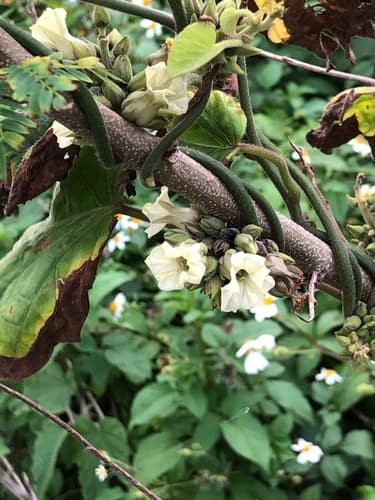
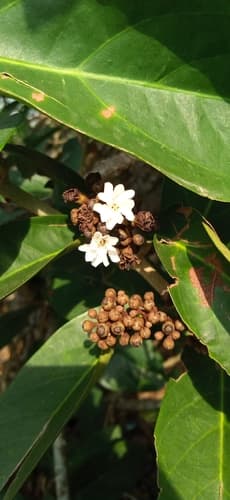
Panicled Erycibe is a woody climber or shrub characterized by its large, glossy green leaves. It produces clusters of small, fragrant white flowers in panicles, which later develop into small, round, berry-like fruits.