Alexanders
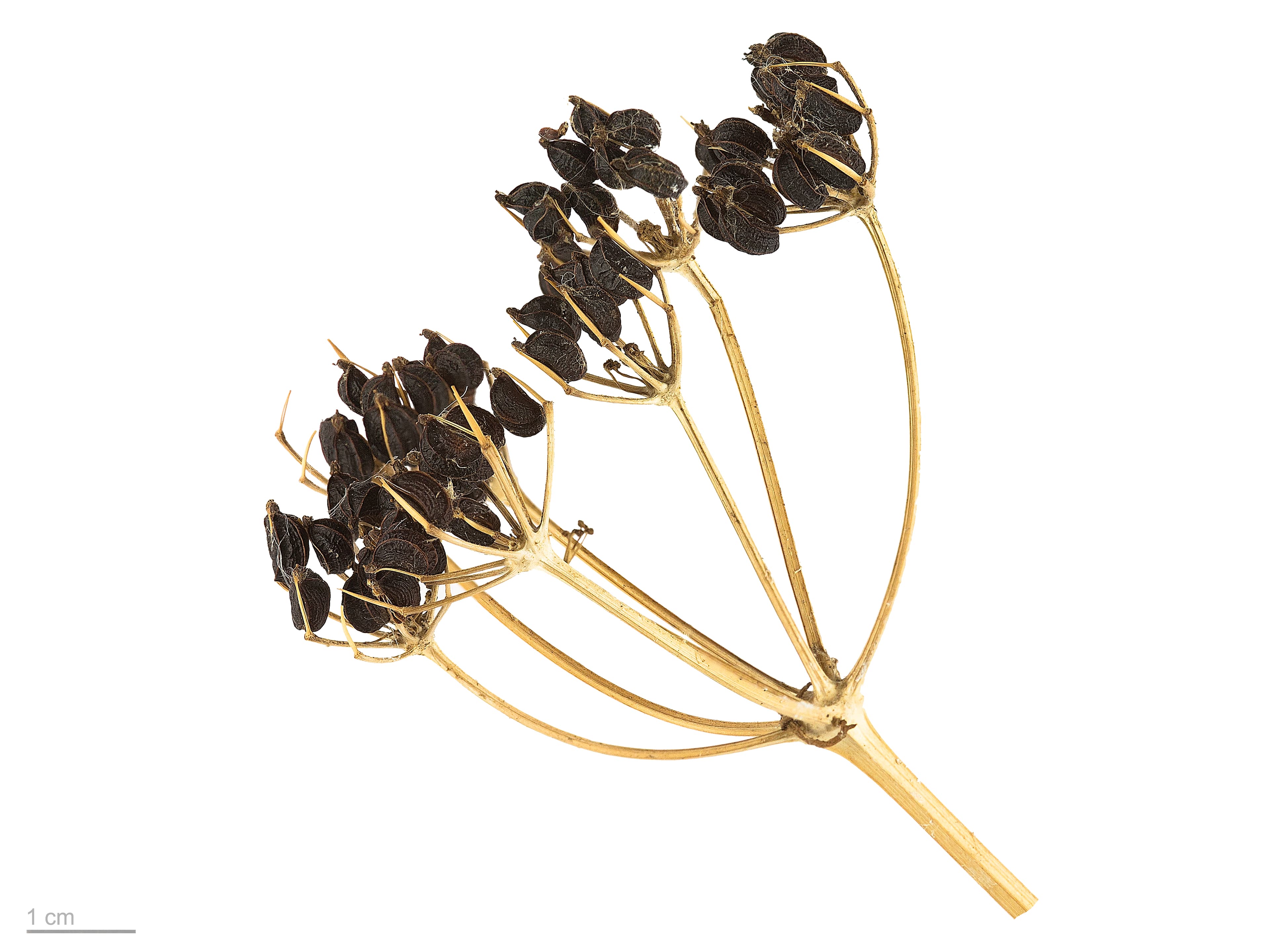
Image: Roger Culos (CC BY-SA 3.0)
NameAlexanders
Scientific NameSmyrnium olusatrum
Common NamesAlexanders, Black Lovage, Horse Parsley, Alisanders
Plant FamilyApiaceae
Natural HabitatNative to the Mediterranean region and parts of Europe, Alexanders thrives in coastal areas, disturbed ground, hedgerows, and ruins. It prefers moist, well-drained soil and can tolerate both full sun and partial shade.
Parts Usedleaf,flower,root,seed,whole_plant
Medicinal Actionsdiuretic, carminative, expectorant, anti-inflammatory
Traditional UsesTraditionally, Alexanders was valued as a spring tonic, a diuretic to aid kidney and bladder complaints, and a carminative for digestive issues. It was also used as an expectorant for respiratory ailments and was historically consumed to prevent scurvy due to its high vitamin C content, especially during medieval times.
Active ConstituentsFuranocoumarins, Essential oils (limonene, sabinene), Flavonoids, Vitamin C
Preparation Methodsinfusion, decoction, powder, essential oil
Contraindications & WarningsDue to the presence of furanocoumarins, Alexanders may cause photosensitivity in some individuals, particularly with high consumption. Pregnant or breastfeeding women should exercise caution. Individuals on anticoagulant medication should also be cautious due to potential interactions.
Cultivation NotesAlexanders is easily grown from seed and prefers rich, moist, well-drained soil in full sun to partial shade. It is known to self-seed readily, often naturalizing in suitable environments.
Raritycommon
Description
Alexanders is a stout, biennial herb growing up to 1.5 meters tall, characterized by thick, hollow stems and glossy, dark green, ternate leaves. It produces umbels of small yellowish-green flowers, which mature into distinctive black, ribbed, ovoid fruits (schizocarps) as seen in the image.