Parish's nightshade
NameParish's nightshade
Scientific NameSolanum parishii
Common NamesParish's nightshade, Parish's solanum
Plant FamilySolanaceae
Natural HabitatThis plant thrives in chaparral, coastal sage scrub, and oak woodland communities, typically found on dry, rocky slopes and canyons in its native range.
Parts Usedleaf,flower
Medicinal Actionsanti-inflammatory, analgesic
Traditional UsesDue to its significant toxicity, Parish's nightshade is not commonly used in traditional medicine. While some related Solanum species have been historically applied externally for conditions like pain or inflammation, specific safe traditional uses for S. parishii are not well-documented, and internal use is highly dangerous.
Active ConstituentsSolanine, glycoalkaloids
Preparation Methodspoultice
Contraindications & WarningsALL parts of Parish's nightshade are considered poisonous, especially the berries. Ingestion can cause severe gastrointestinal distress, neurological symptoms, and can be fatal. Contact with sap may cause skin irritation. This plant should not be used internally under any circumstances and external use should be approached with extreme caution due to potential absorption of toxins. Avoid use by pregnant or nursing women, children, and individuals with liver or kidney conditions.
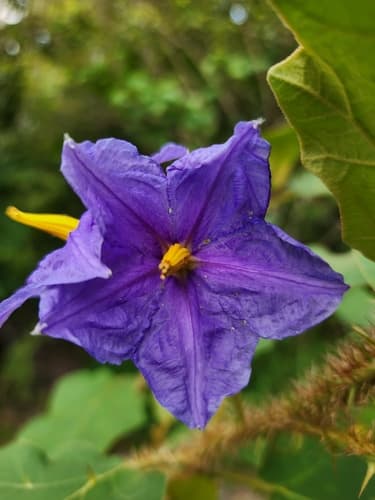
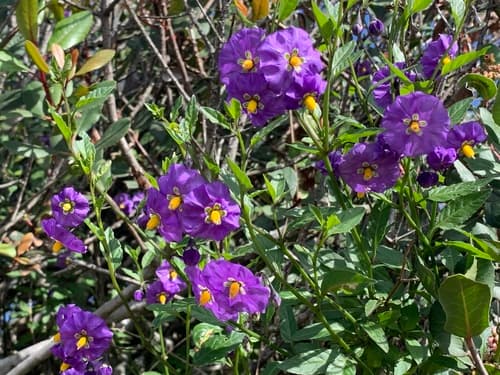
Cultivation NotesParish's nightshade is a drought-tolerant plant that prefers full sun to partial shade and well-drained soil. It is relatively low-maintenance once established and can be propagated by seed. It is often grown for its ornamental purple flowers in suitable climates.
Raritycommon
Description
Solanum parishii is a perennial shrub or subshrub native to California and Baja California, characterized by its ovate to lanceolate leaves and clusters of vibrant, star-shaped purple flowers with prominent yellow anthers. It is known for its ornamental appeal but is also recognized for its toxicity.