Solanum brevicaule
NameSolanum brevicaule
Scientific NameSolanum brevicaule
Common NamesWild Potato, Bolivian Potato, Papa Silvestre
Plant FamilySolanaceae
Natural HabitatNative to the high-altitude Andes mountains of South America, it thrives in rocky slopes, disturbed areas, and agricultural fields, often found at elevations between 2,500 and 4,000 meters.
Parts Usedroot
Medicinal Actionsanti-inflammatory, antimicrobial
Traditional UsesPrimarily known as a wild food source, the tubers of Solanum brevicaule have been traditionally gathered and consumed by indigenous Andean communities, often after processing (e.g., boiling, freeze-drying into chuño) to reduce naturally occurring glycoalkaloids. While not a primary medicinal herb, the glycoalkaloids present in wild potatoes have been studied for potential anti-inflammatory and antimicrobial properties.
Active ConstituentsGlycoalkaloids (solanine, chaconine), Steroidal alkaloids, Phenolic compounds
Preparation Methodsdecoction, powder
Contraindications & WarningsDue to high levels of glycoalkaloids, raw or improperly prepared tubers can be toxic, causing gastrointestinal upset, neurological symptoms, and in severe cases, death. Consumption should be avoided by pregnant women, children, and individuals with liver or kidney conditions.
Cultivation NotesThis hardy species prefers well-drained soil and full sun, adapted to cold, high-altitude environments. It can be propagated by seed or tubers and is often cultivated for research purposes due to its genetic diversity.
Raritycommon
Description
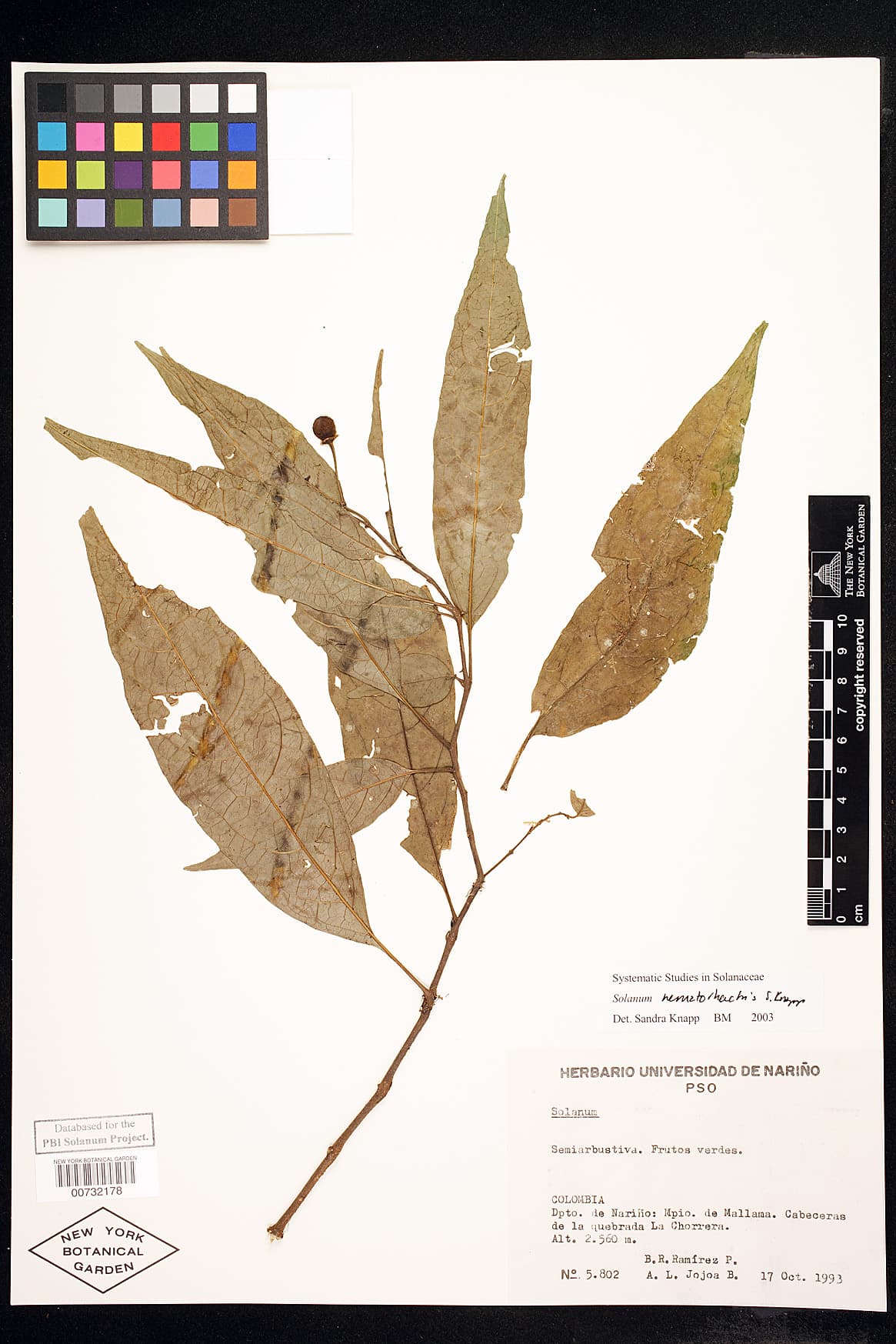
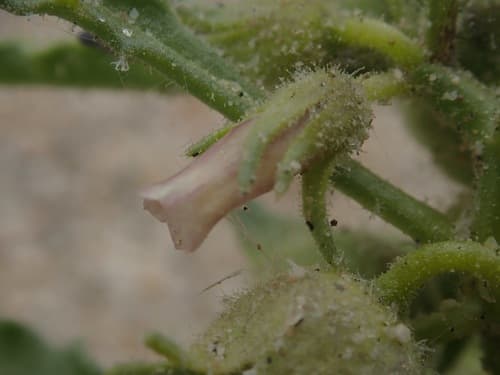
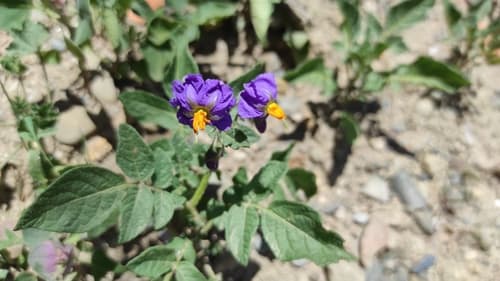
Solanum brevicaule is a wild potato species characterized by its herbaceous growth, compound leaves, and purple to blue-violet flowers with prominent yellow anthers. It produces small, edible tubers that are a significant genetic resource for cultivated potatoes.