English Elm
NameEnglish Elm
Scientific NameUlmus procera
Common NamesEnglish Elm, Common Elm
Plant FamilyUlmaceae
Natural HabitatNative to Europe, historically common in woodlands, hedgerows, and parklands, thriving in deep, fertile soils. It was widely planted in urban and rural landscapes.
Parts Usedbark,leaf
Medicinal Actionsdemulcent, astringent, anti-inflammatory
Traditional UsesTraditionally, the inner bark of English Elm was used as a demulcent to soothe inflamed mucous membranes in the digestive and respiratory tracts, often for conditions like coughs, sore throats, and gastrointestinal irritation. Its astringent properties also led to its external use in poultices for skin conditions, wounds, and minor burns.
Active Constituentsmucilage, tannins, phytosterols
Preparation Methodsdecoction, poultice, powder
Contraindications & WarningsGenerally considered safe, but consuming large amounts of bark powder without adequate fluid intake can lead to intestinal obstruction. Allergic reactions are rare.
Cultivation NotesPrefers full sun to partial shade and well-drained, fertile soil. Historically propagated primarily by suckers, as viable seed production is uncommon. Highly susceptible to Dutch Elm Disease, which has decimated populations.
Rarityvery-rare
Description
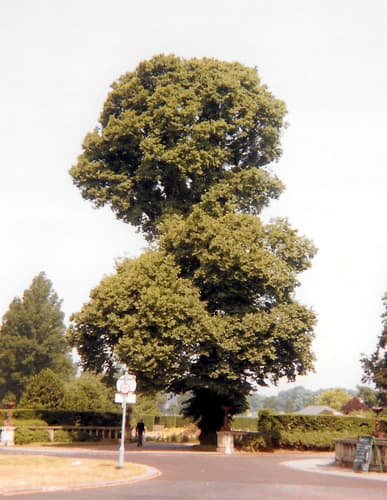
English Elm is a large, deciduous tree characterized by its broad, domed crown and rough, fissured bark. Its leaves are typically ovate, dark green, with serrated margins and an asymmetrical base.