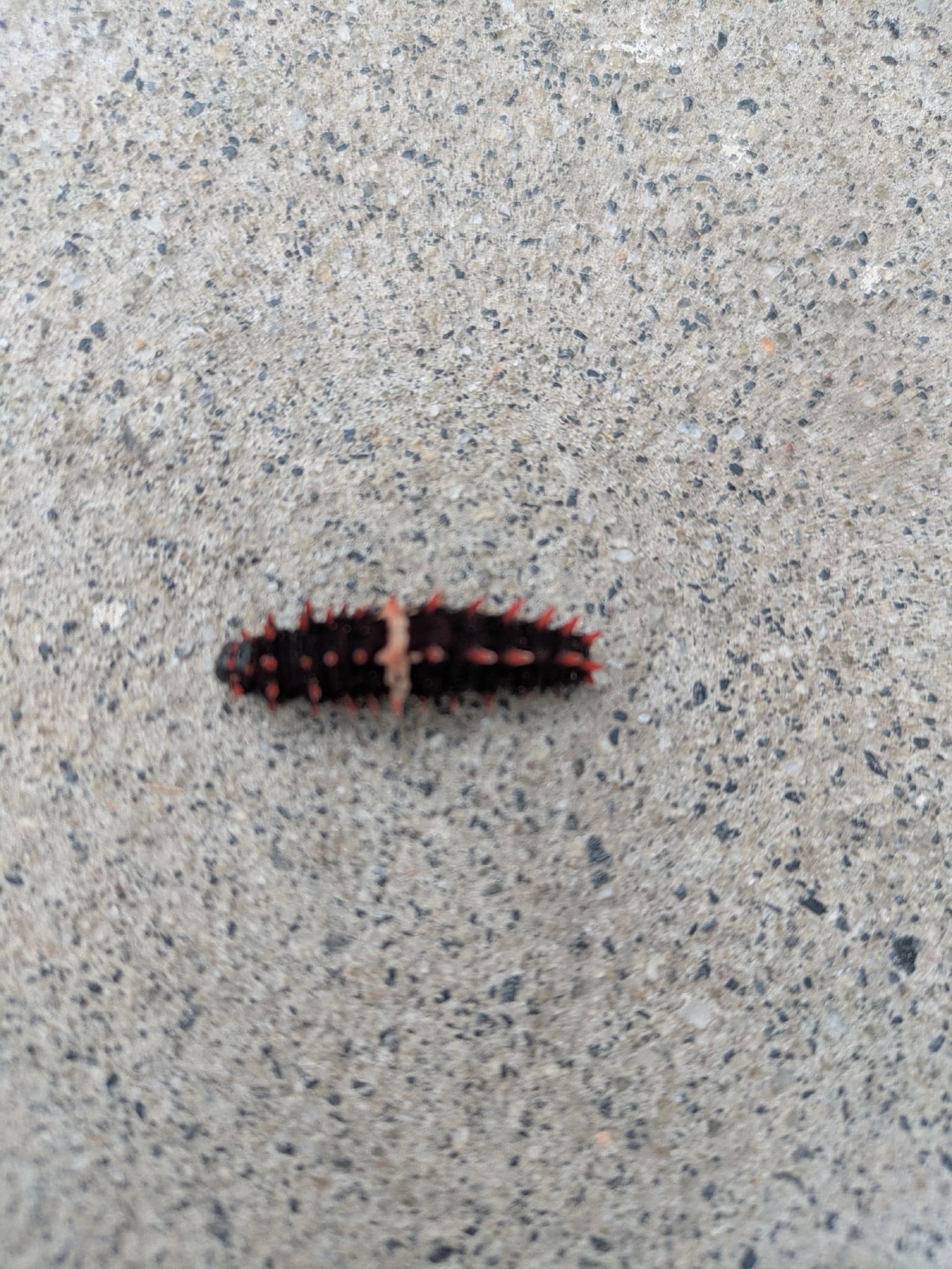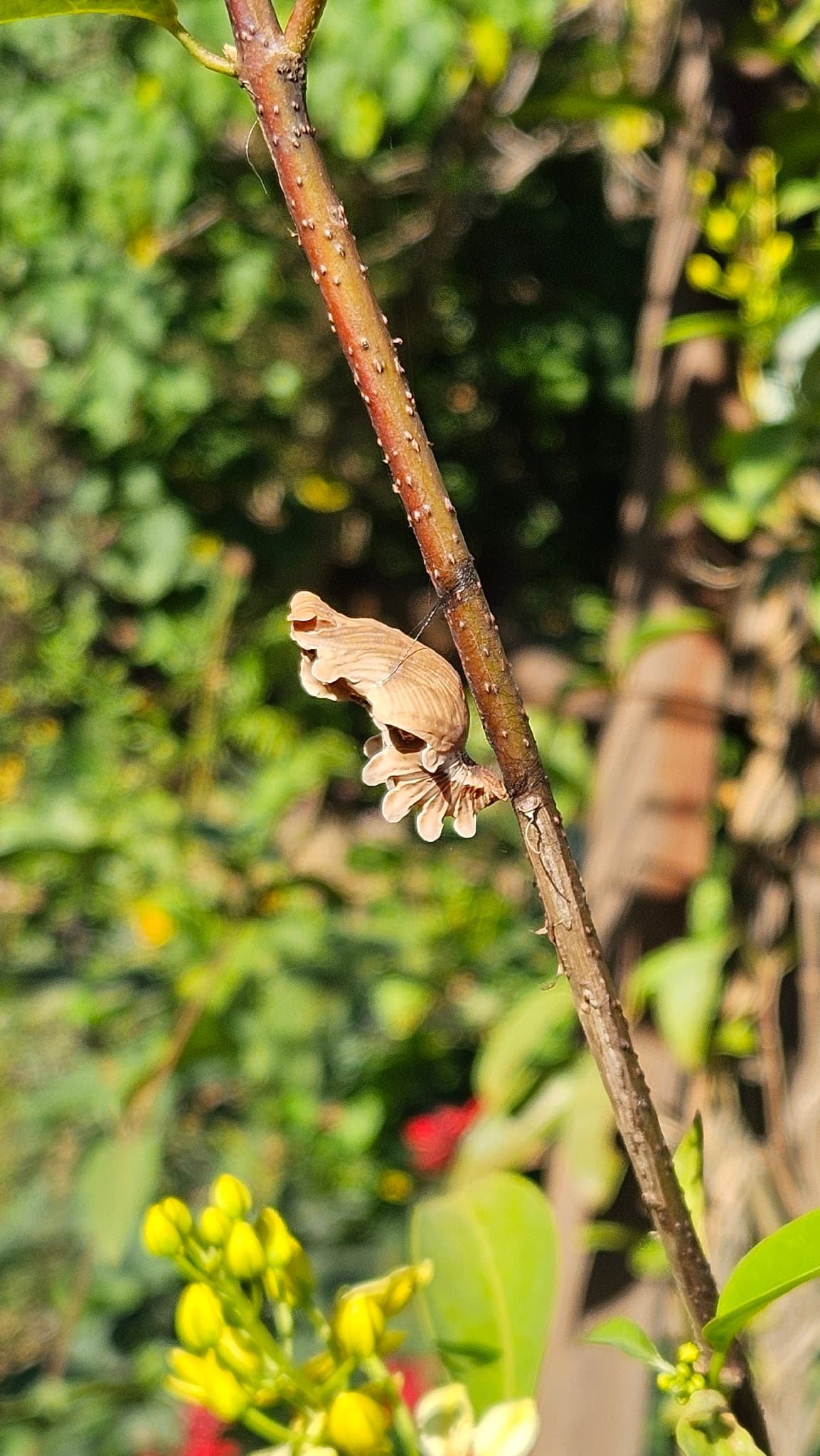
Pachliopta agricola
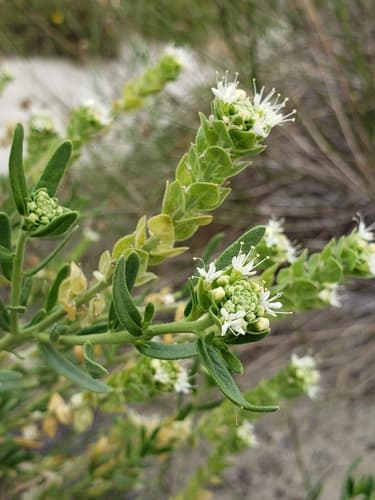
Image: lokechin (cc-by-nc)
NamePachliopta agricola
Scientific NameMahonia aquifolium
Common NamesOregon Grape, Mahonia, Holly-leaved Barberry
Plant FamilyBerberidaceae
Natural HabitatNative to western North America, *Mahonia aquifolium* thrives in forests, woodlands, and clearings, often found as an understory plant or along forest edges. It prefers moist, well-drained soil and partial to full shade.
Parts Usedroot,bark
Medicinal Actionsantimicrobial, anti-inflammatory, antioxidant, astringent
Traditional UsesTraditionally, Native American tribes used Mahonia root and bark for various medicinal purposes, including treating skin conditions like eczema and psoriasis, digestive issues, and as a general tonic. Its bitter properties were valued for stimulating digestion and liver function, often prepared as a decoction or tincture.
Active ConstituentsBerberine, Oxyacanthine, Hydrastine, Palmatine
Preparation Methodsdecoction, tincture, powder, salve
Contraindications & WarningsNot recommended for pregnant or breastfeeding women due to the presence of berberine. May interact with certain medications, including blood thinners, immunosuppressants, and drugs metabolized by the liver. High doses can cause gastrointestinal upset.
Cultivation NotesMahonia aquifolium is relatively easy to cultivate, preferring partial to full shade and well-drained soil. It is drought-tolerant once established and can be grown as an ornamental shrub or for its medicinal roots. Propagation is typically by seed or cuttings.
Raritycommon
Description
This entry describes *Mahonia aquifolium*, a hardy evergreen shrub identified by its spiny, holly-like leaves and clusters of bright yellow flowers, which are visible in the image. It is important to note that 'Pachliopta agricola' is a species of butterfly, not a plant, and this description pertains to the plant visible in the photograph.