Willow
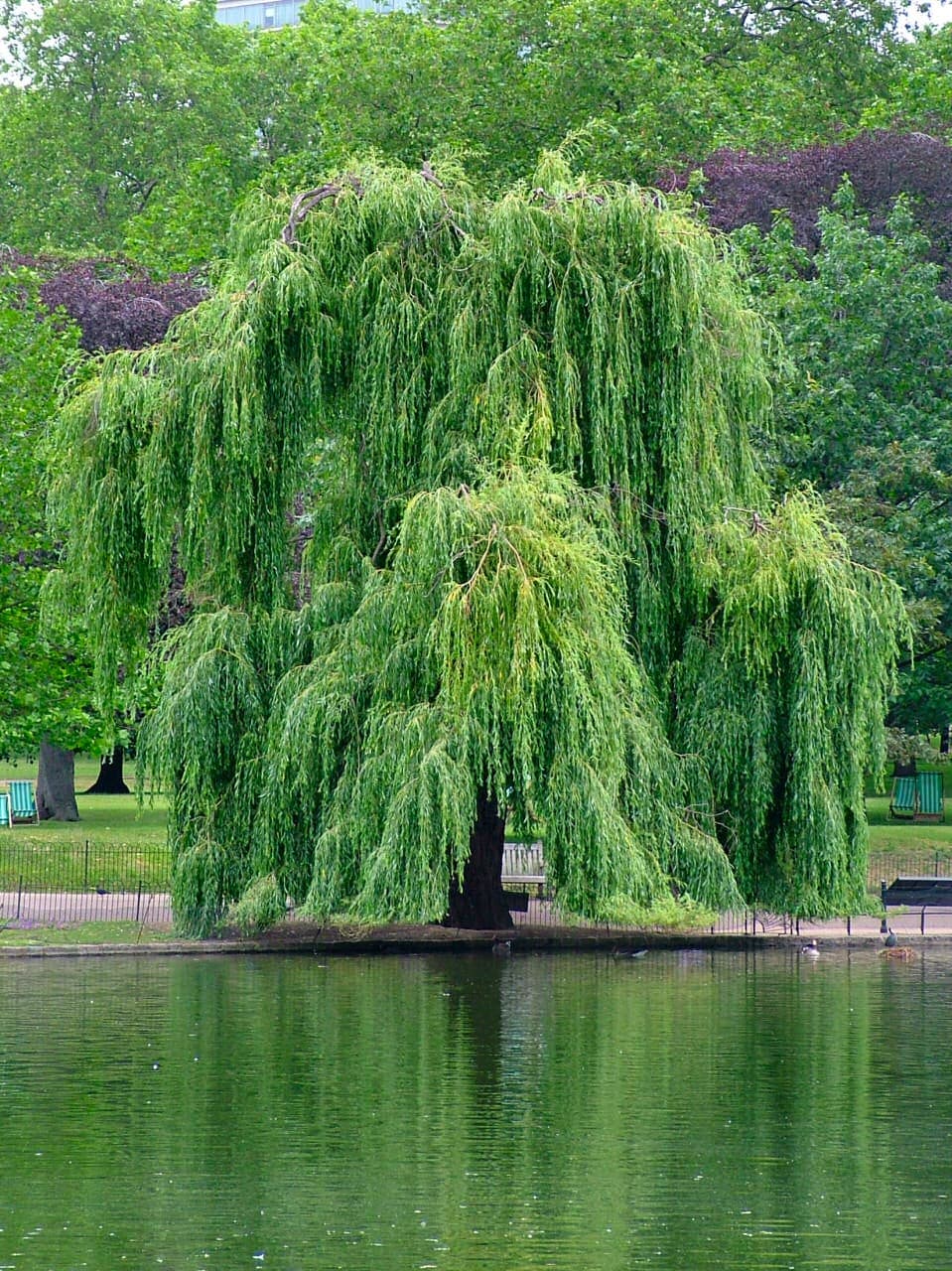
Image: Jdforrester (CC BY-SA 3.0)
NameWillow
Scientific NameSalix × pendulina nothof. tristis
Common NamesWeeping Willow, Babylon Willow
Plant FamilySalicaceae
Natural HabitatWillows typically thrive in moist, temperate regions, commonly found along riverbanks, lakeshores, and wetlands. This specific cultivar is widely planted in parks and gardens, often near water bodies.
Parts Usedbark,leaf
Medicinal Actionsanalgesic, anti-inflammatory, astringent
Traditional UsesTraditionally, willow bark has been used for centuries to alleviate pain, reduce fever, and diminish inflammation. It was commonly employed for headaches, arthritis, muscle aches, and general febrile conditions.
Active ConstituentsSalicin, Flavonoids, Tannins
Preparation Methodsdecoction, tincture, powder
Contraindications & WarningsContraindicated for individuals with aspirin allergy or sensitivity to salicylates. Not recommended for children or teenagers with viral infections due to the risk of Reye's syndrome. May interact with anticoagulant medications; consult a healthcare professional before use, especially if pregnant or breastfeeding.
Cultivation NotesPrefers full sun and consistently moist to wet soil conditions. It is adaptable to various soil types but thrives in rich, well-drained loam. Can be easily propagated from cuttings and exhibits rapid growth.
Raritycommon
Description
A large, fast-growing deciduous tree characterized by its distinctive, gracefully pendulous branches that sweep towards the ground. It features long, narrow, bright green leaves and deeply fissured bark.