American morning glory
NameAmerican morning glory
Scientific NameIpomoea purpurea
Common NamesCommon Morning Glory, Purple Morning Glory, Tall Morning Glory
Plant FamilyConvolvulaceae
Natural HabitatNative to Mexico and Central America, American morning glory is widely naturalized across temperate and tropical regions globally. It thrives in disturbed soils, often found along roadsides, in fields, waste areas, and gardens.
Parts Usedseed
Medicinal Actionsnervine
Traditional UsesTraditionally, the seeds of American morning glory have been used as a strong purgative and laxative. In some indigenous cultures, the seeds were also employed for their psychoactive properties in spiritual and divinatory rituals, inducing altered states of consciousness.
Active ConstituentsLysergic acid amide (LSA), ergoline alkaloids
Preparation Methodspowder
Contraindications & WarningsIngestion of seeds can be toxic and is contraindicated in pregnancy, liver disease, glaucoma, heart conditions, and psychiatric disorders. It can interact with other psychoactive substances and medications. All parts of the plant, especially the seeds, are considered toxic if ingested in large quantities.
Cultivation NotesThis plant is easily grown from seed and prefers full sun with well-drained soil. It is a vigorous climber and can become invasive in suitable climates, often self-seeding readily.
Raritycommon
Description
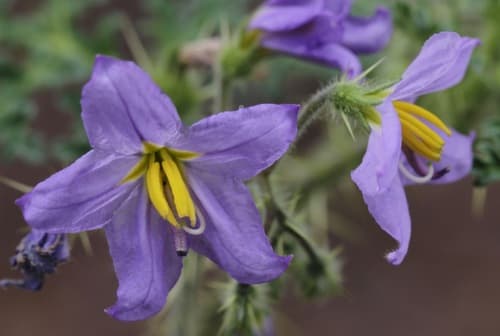
An annual or short-lived perennial climbing vine, this plant features heart-shaped leaves and striking trumpet-shaped flowers that typically bloom in shades of purple, blue, or pink. The flowers unfurl in the morning light and close by afternoon.