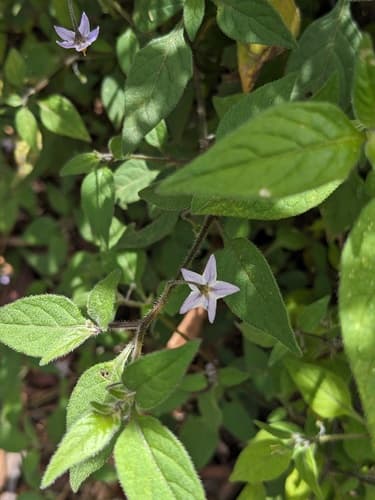
Ortiga Caballuna
NameOrtiga Caballuna
Scientific NameLoasa tricolor
Common NamesOrtiga Caballuna, Chilean Stinging Nettle, Tricolor Loasa
Plant FamilyLoasaceae
Natural HabitatNative to Chile and Argentina, this plant typically thrives in disturbed areas, roadsides, and open woodlands. It prefers dry, rocky, or sandy soils.
Parts Usedwhole_plant
Medicinal Actionsanalgesic, anti-inflammatory
Traditional UsesTraditionally, the whole plant of Ortiga Caballuna has been used topically to alleviate rheumatic pain, muscle aches, and certain skin irritations. Its stinging hairs are believed to provide a counter-irritant effect, stimulating local blood flow and reducing discomfort.
Active Constituentshistamine, acetylcholine, serotonin, flavonoids, phenolic compounds
Preparation Methodspoultice, tincture
Contraindications & WarningsDirect contact with the plant's stinging hairs can cause significant skin irritation, redness, and itching. Internal use is generally not recommended due to potential gastrointestinal irritation and should only be considered under expert guidance. Not advised for pregnant or breastfeeding women.
Cultivation NotesThis plant is easily grown from seed in well-drained soil and prefers full sun to partial shade. It is relatively drought-tolerant once established and can readily self-seed, sometimes becoming weedy in favorable conditions.
Raritycommon
Description
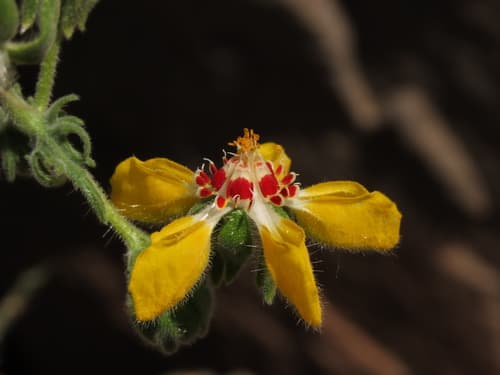
Loasa tricolor is an annual herbaceous plant characterized by its stems and leaves covered in stinging hairs. It produces distinctive flowers with five bright yellow petals and a striking central structure of red and white scales surrounding numerous stamens.