Los Pinitos Dodder
Image: Conveyor Belt (cc0)
NameLos Pinitos Dodder
Scientific NameCuscuta dentatasquamata
Common NamesLos Pinitos Dodder, Dodder
Plant FamilyConvolvulaceae
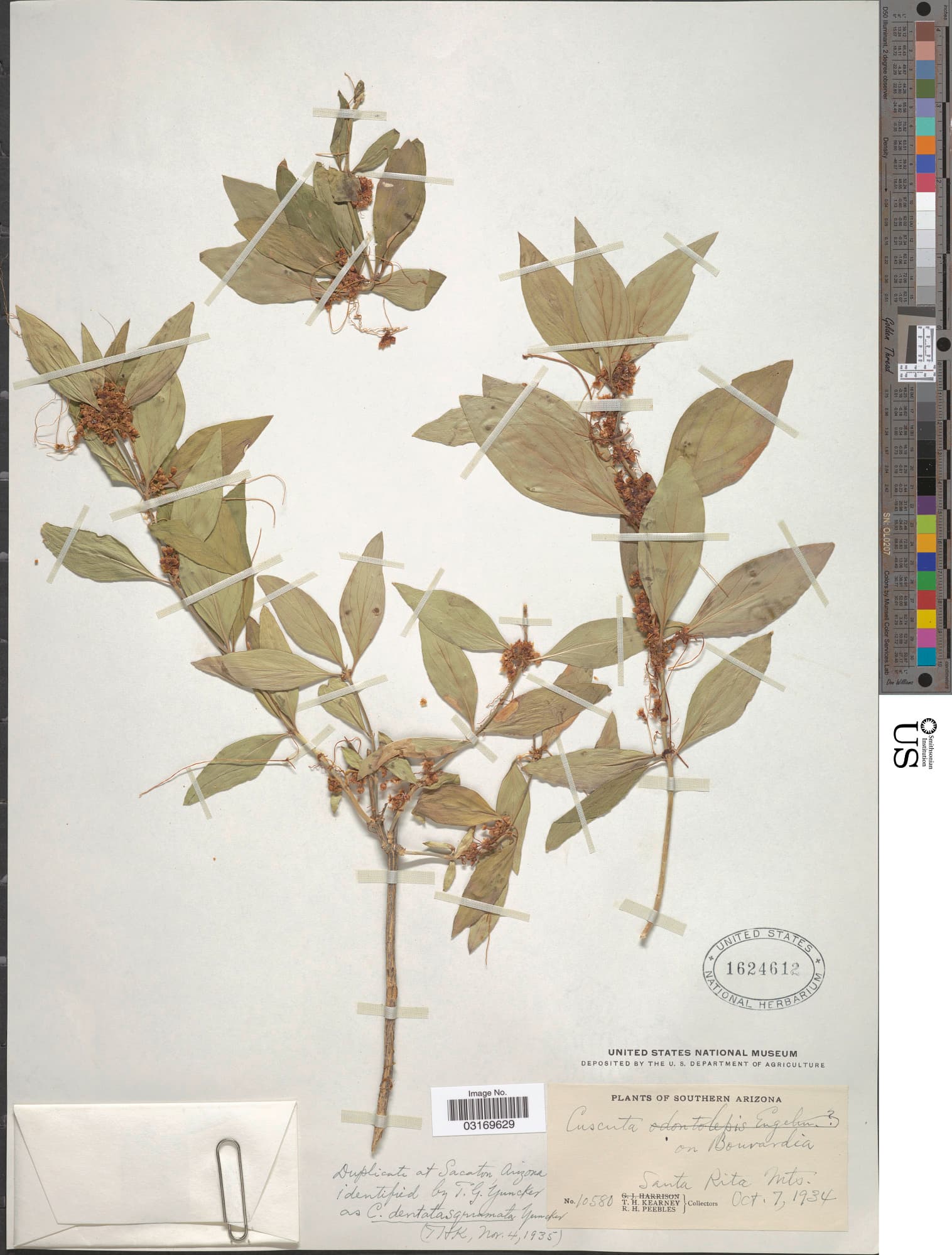
Natural HabitatAs an obligate parasite, Cuscuta dentatasquamata is found in habitats where suitable host plants are present, often in arid to semi-arid regions. This specimen was collected in the Santa Rita Mountains of Southern Arizona, suggesting a preference for dry, open areas.
Parts Usedwhole_plant,seed
Medicinal Actionsadaptogen, antioxidant, diuretic, astringent
Traditional UsesWhile specific uses for *Cuscuta dentatasquamata* are not widely documented, other *Cuscuta* species (particularly *C. chinensis* and *C. japonica*, known as Tu Si Zi in TCM) are traditionally used to tonify the kidney and liver. They are employed to address conditions such as impotence, premature ejaculation, frequent urination, blurry vision, and as a general tonic to support overall vitality.
Active ConstituentsFlavonoids, Lignans, Polysaccharides, Saponins
Preparation Methodsinfusion, decoction, tincture, powder
Contraindications & WarningsDodder species should be used with caution, especially by pregnant or breastfeeding women, due to potential hormonal effects. Individuals with hormone-sensitive conditions or those taking hormone-related medications should consult a healthcare professional before use.
Cultivation NotesDodder is an obligate parasitic plant and cannot be cultivated independently. It requires a living host plant to germinate and grow, making traditional cultivation methods impractical. Propagation typically occurs via seeds that attach to and parasitize a suitable host.
Raritycommon
Description
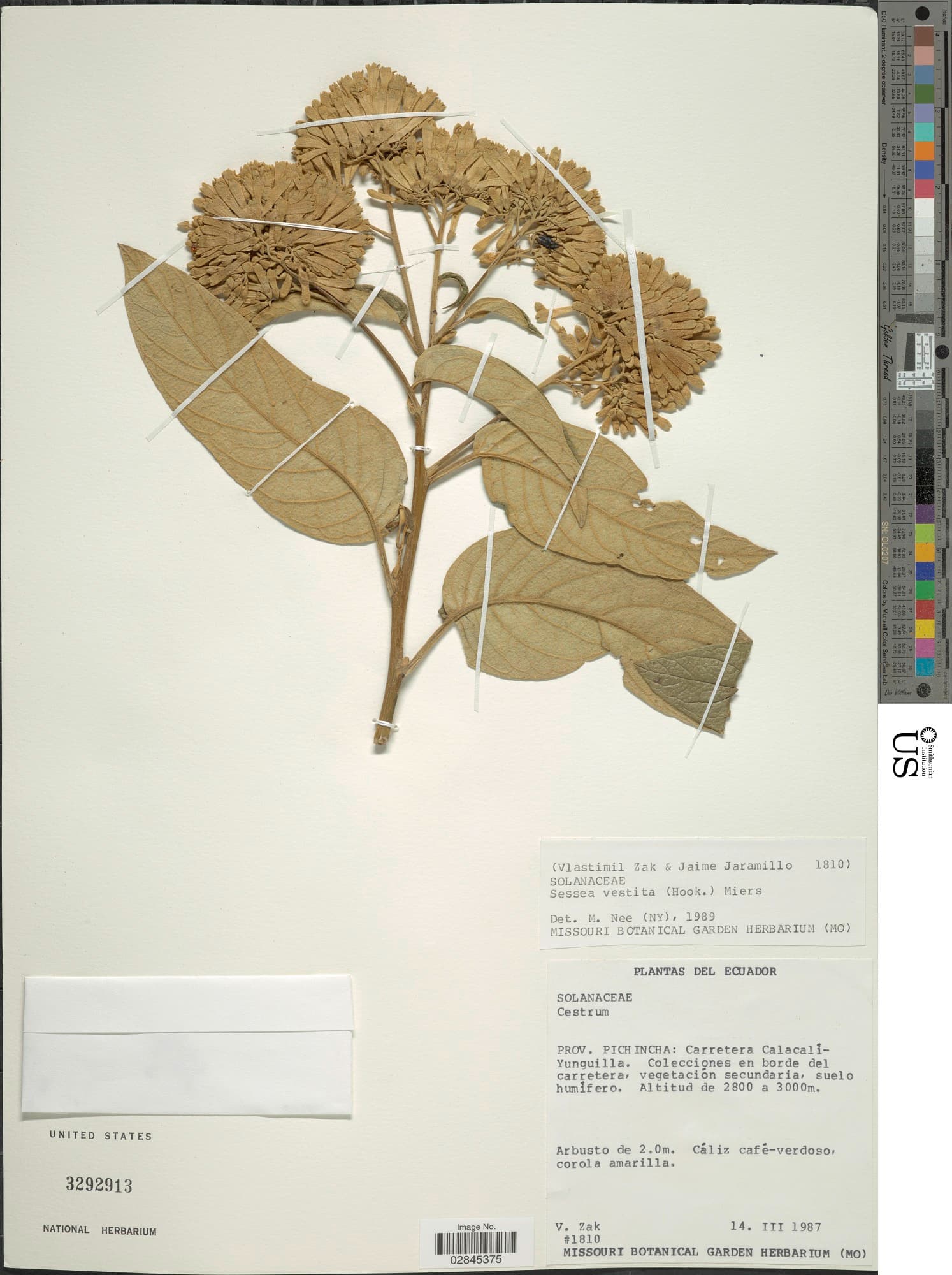
Los Pinitos Dodder is a parasitic plant characterized by its slender, leafless, thread-like stems that twine around host vegetation. Lacking chlorophyll, it obtains all its nutrients by penetrating the host's vascular system with specialized structures called haustoria. The image displays dried specimens of the dodder's reddish-brown stems and small, clustered flowers intertwined with the leaves of its host plant.