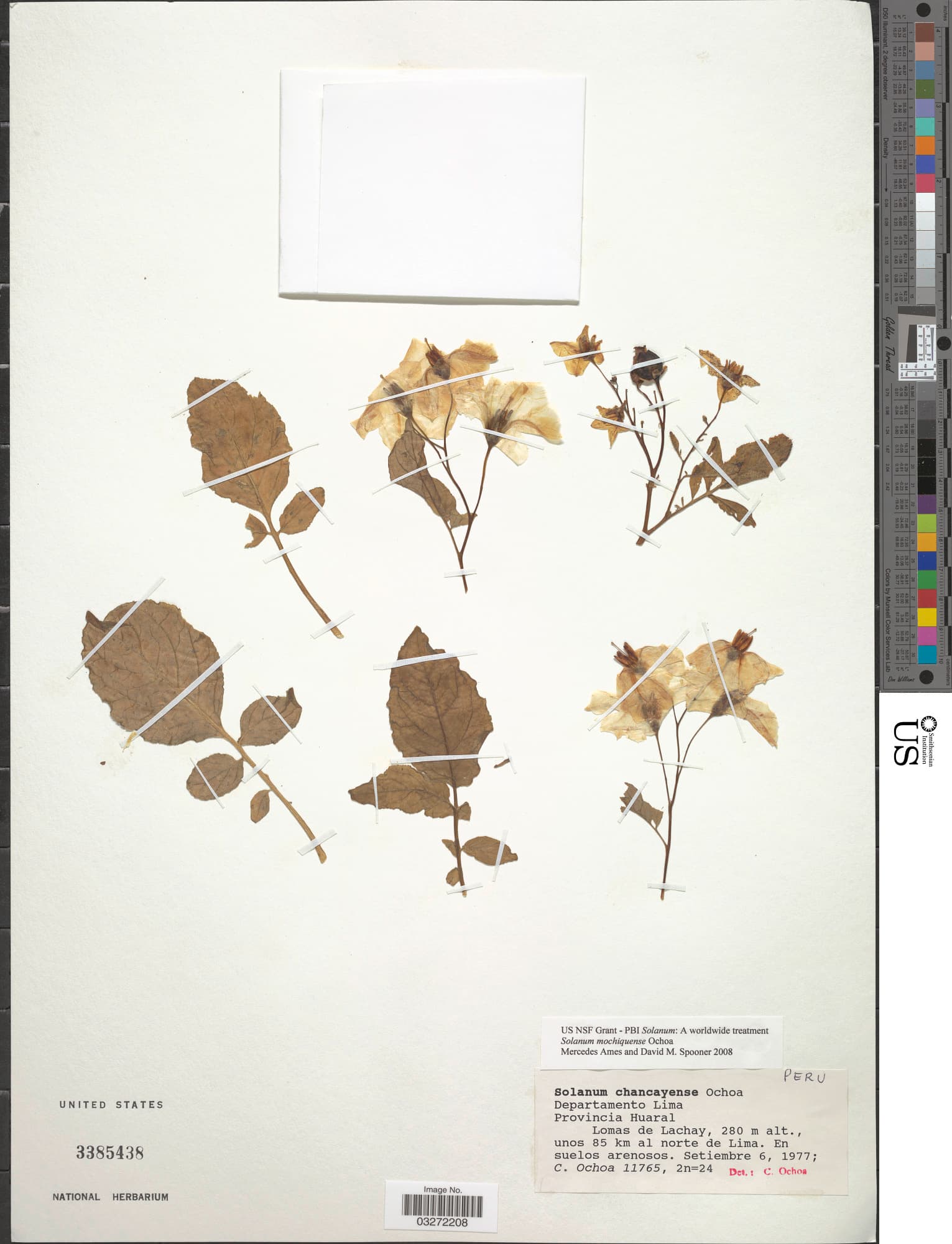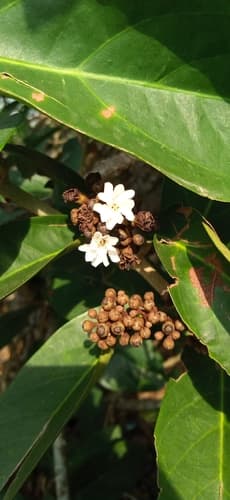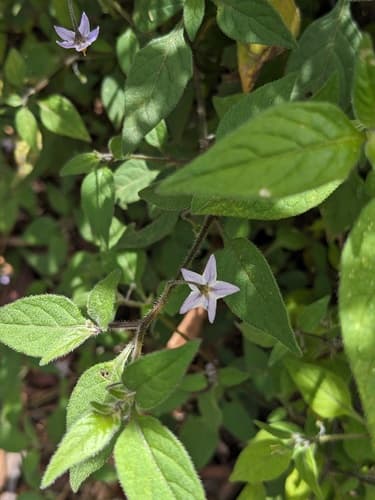
Solanum alpinum
NameSolanum alpinum
Scientific NameSolanum alpinum
Common NamesAndean Nightshade, Alpine Nightshade
Plant FamilySolanaceae
Natural HabitatNative to the high-altitude regions of the Andes mountains in South America, thriving in rocky or disturbed areas, often found in subalpine to alpine zones.
Parts Usedwhole_plant
Medicinal Actionsanti-inflammatory, analgesic
Traditional UsesWhile specific traditional medicinal uses for Solanum alpinum are not widely documented in common ethnobotanical literature, other species within the Solanum genus are traditionally used in folk medicine for their anti-inflammatory and pain-relieving properties. These uses often involve topical application or highly controlled internal doses due to the inherent toxicity of many Solanum species.
Active ConstituentsSteroidal glycoalkaloids, Solanine, Solamargine
Preparation Methodsdecoction, poultice
Contraindications & WarningsHighly toxic due to the presence of steroidal glycoalkaloids. Not recommended for internal use without expert supervision due to the risk of severe gastrointestinal upset, neurological symptoms, and potential fatality in large doses. Contraindicated for pregnant/nursing women, children, and individuals with liver or kidney conditions.
Cultivation NotesPrefers well-drained soil and full sun to partial shade. Being adapted to cooler, high-altitude environments, it is somewhat tolerant of varied conditions but thrives in environments mimicking its native Andean habitat.
Rarityuncommon
Description
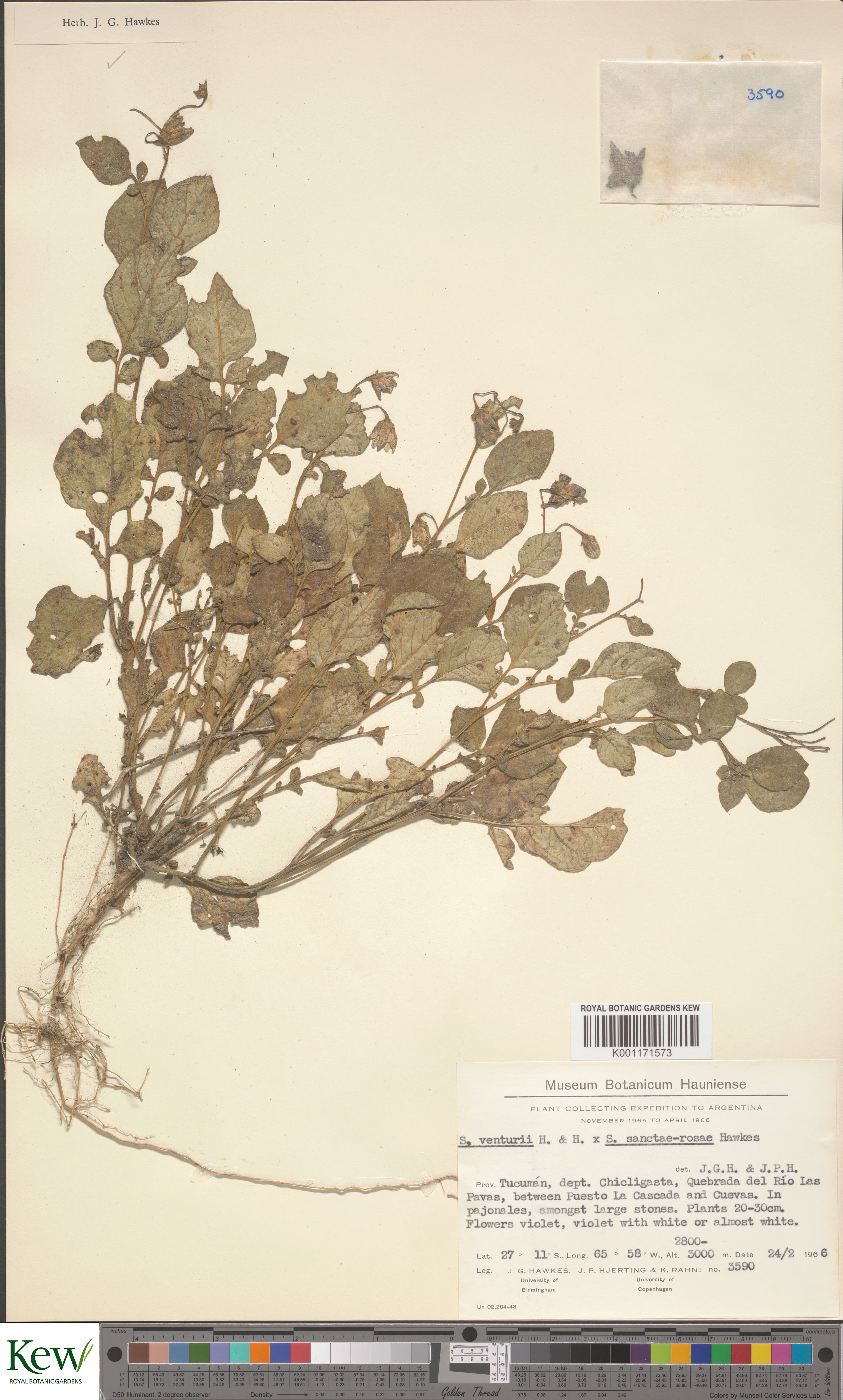
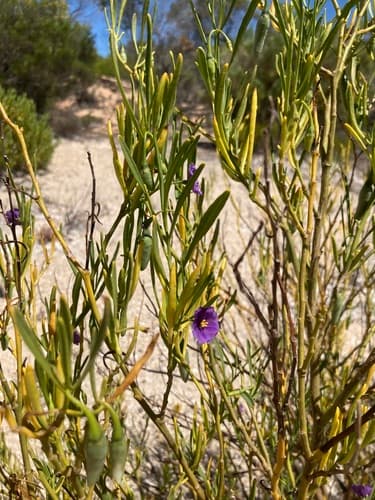
A perennial herb or subshrub characterized by hairy stems and simple, ovate to lanceolate leaves. It produces small, star-shaped flowers, typically pale purple with a yellow center, consistent with the Solanum genus. The plant often forms a bushy growth habit.