New Mexico Horsenettle
NameNew Mexico Horsenettle
Scientific NameSolanum novomexicanum
Common NamesNew Mexico Horsenettle, New Mexico Thistle
Plant FamilySolanaceae
Natural HabitatNative to the southwestern United States, particularly New Mexico, it thrives in dry, sandy, or gravelly soils. It is commonly found in disturbed areas such as roadsides, pastures, and open woodlands.
Parts Usedroot,whole_plant
Medicinal Actionsanalgesic, anti-inflammatory
Traditional UsesWhile specific traditional medicinal uses for Solanum novomexicanum are not widely documented, related spiny Solanum species (like S. carolinense) have been traditionally used by some Native American groups. These uses often involved external applications such as poultices of crushed leaves or roots for pain relief, skin irritations, or swellings. Internal use, if any, would be extremely cautious due to the plant's inherent toxicity.
Active Constituentssteroidal glycoalkaloids (e.g., solanine, solasodine)
Preparation Methodspoultice, decoction
Contraindications & WarningsAll parts of Solanum novomexicanum are considered toxic, especially when ingested. It is strictly contraindicated for internal use without expert guidance due to the risk of severe gastrointestinal upset, neurological symptoms, and cardiac issues. It should be avoided during pregnancy, lactation, and for children. Skin contact with the plant's sharp spines can also cause irritation.
Cultivation NotesOften considered a noxious weed, this plant is highly resilient. It prefers full sun exposure and thrives in well-drained, poor to average soils. It is drought-tolerant and can spread aggressively through both seeds and rhizomes.
Raritycommon
Description
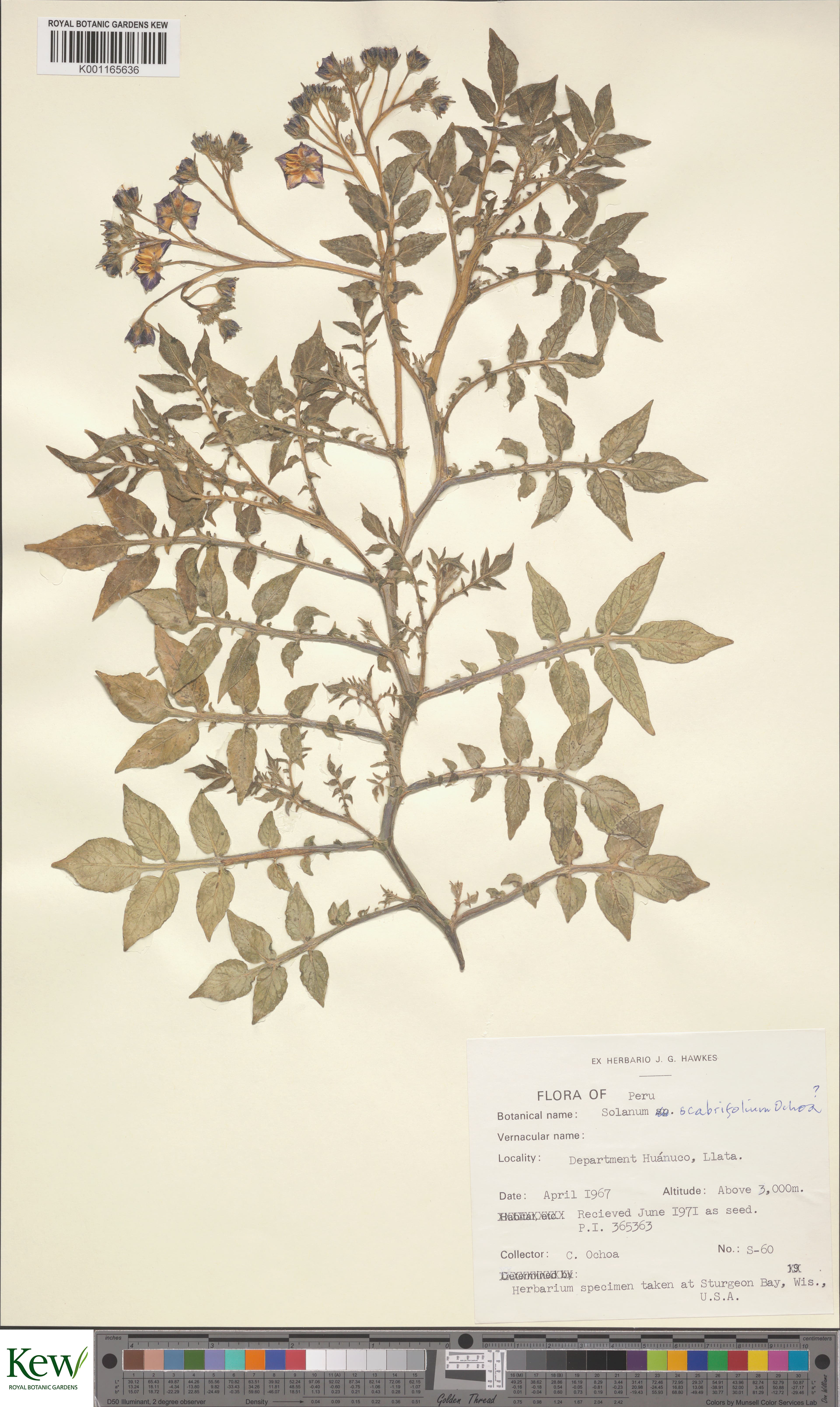
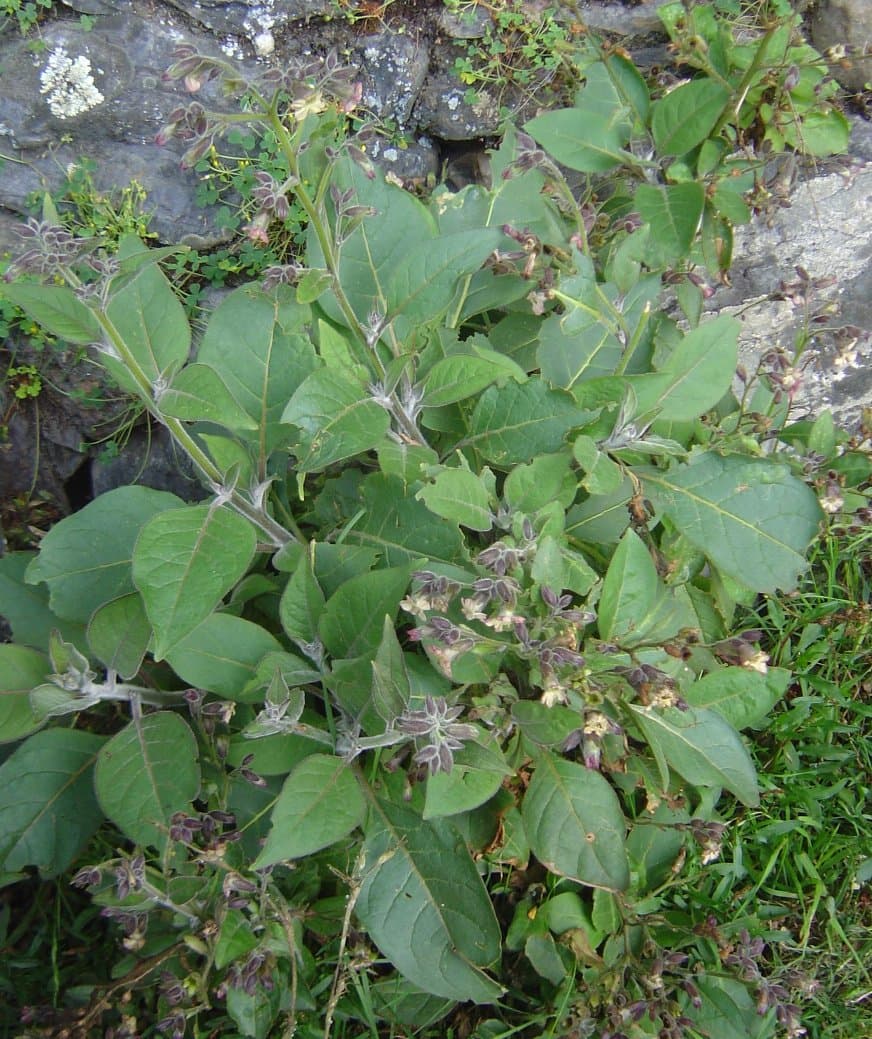
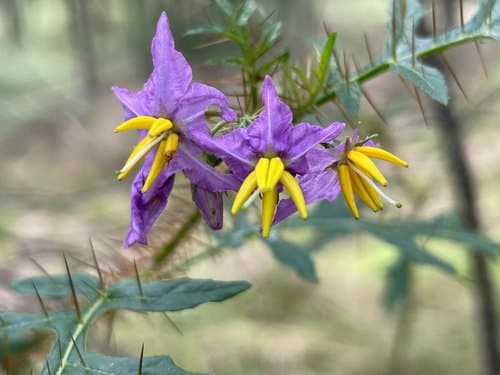
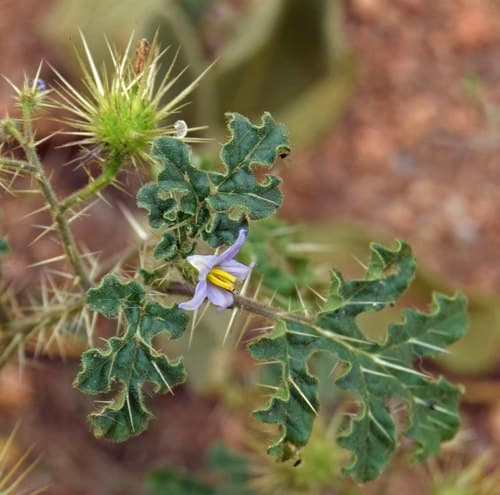
A spiny perennial herb, this plant features deeply lobed, wavy-margined leaves covered in fine hairs, with sharp spines adorning its stems and leaf veins. It produces delicate pale lavender to white star-shaped flowers, distinguished by prominent yellow anthers, which mature into green, spiny berries.