Solanum coracinum
NameSolanum coracinum
Scientific NameSolanum coracinum
Plant FamilySolanaceae
Natural HabitatNative to Brazil, Solanum coracinum is primarily found in the Cerrado biome, a vast tropical savanna ecoregion, thriving in open, sunny areas with well-drained soils.
Parts Usedleaf,root
Medicinal Actionsanti-inflammatory, antimicrobial
Traditional UsesSpecific traditional medicinal uses for Solanum coracinum are not widely documented in mainstream ethnobotanical literature. Many species within the Solanum genus are known to be toxic due to glycoalkaloids, and any traditional applications would likely be highly localized, requiring expert knowledge and extreme caution due to potential risks.
Active Constituentssteroidal glycoalkaloids, saponins, flavonoids
Preparation Methodspoultice, decoction
Contraindications & WarningsAll parts of Solanum coracinum, like many Solanum species, are considered highly toxic due to steroidal glycoalkaloids. Ingestion can cause severe gastrointestinal and neurological symptoms, potentially being fatal, thus it is not recommended for any internal use. External application also carries risks of irritation or absorption and should only be considered with extreme caution under expert guidance.
Cultivation NotesThis species prefers warm climates, full sun exposure, and well-drained soil. It is generally hardy within its native range and can tolerate some drought once established. Due to its thorny nature, handle with care.
Rarityuncommon
Description
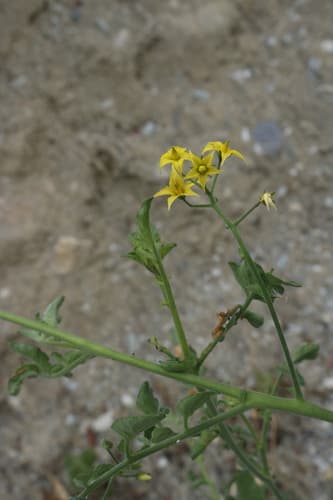
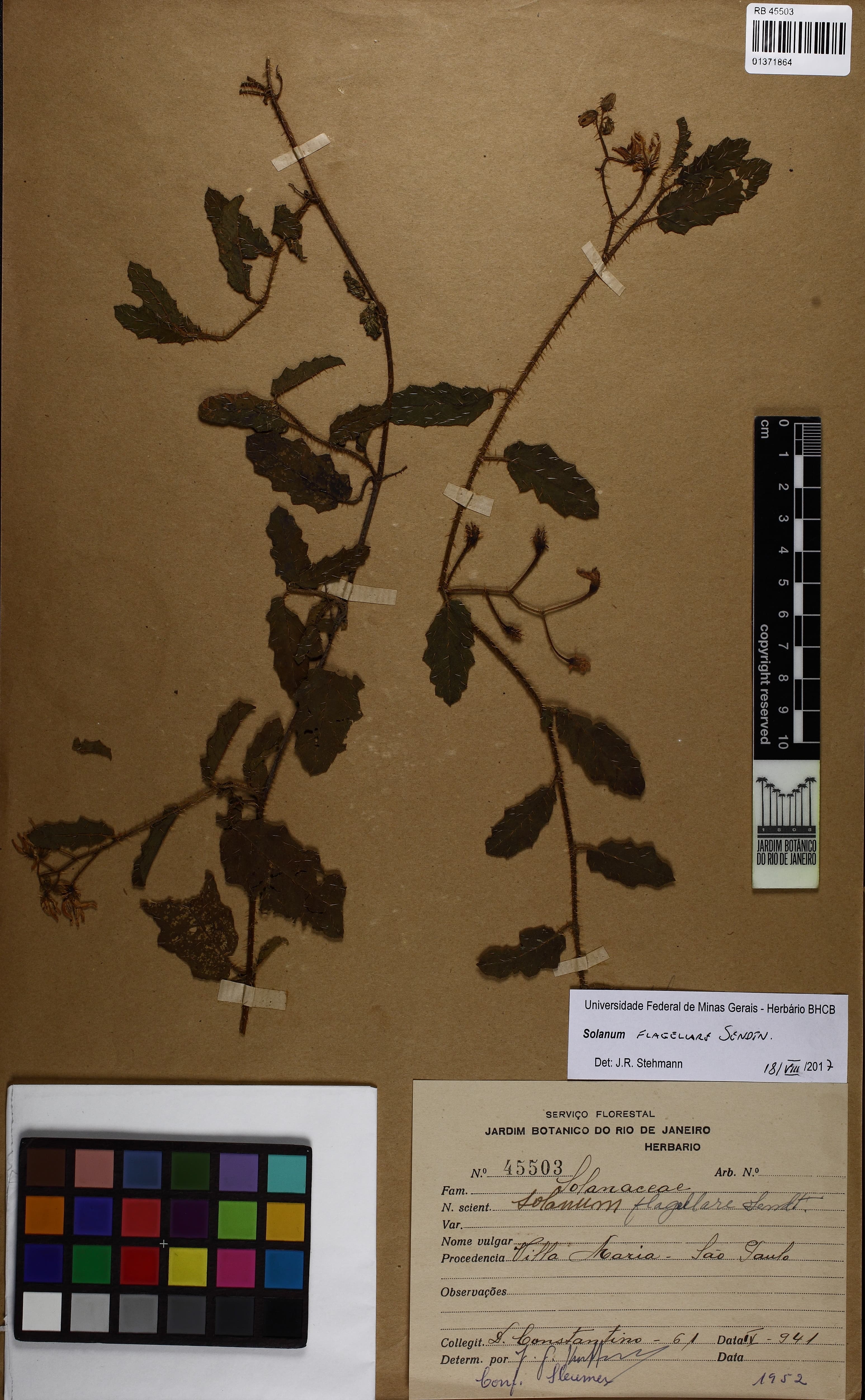
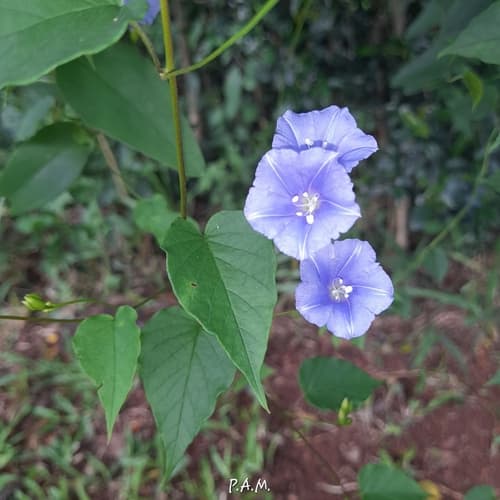
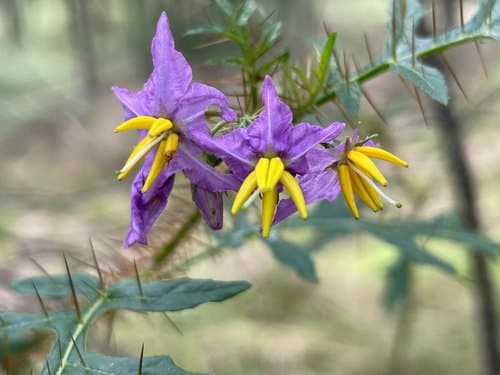
Solanum coracinum is a thorny shrub or herbaceous plant characterized by its striking purple, star-shaped flowers with prominent yellow anthers. Its leaves are typically lobed and armed with sharp, dark thorns along the veins and margins, giving it a formidable appearance.