Nolana aplocaryoides
NameNolana aplocaryoides
Scientific NameNolana aplocaryoides
Plant FamilySolanaceae
Natural HabitatThis species is endemic to the coastal deserts of northern Chile, particularly in the Atacama region. It thrives in sandy or rocky soils, often in areas influenced by coastal fog (camanchaca).
Parts Used
Traditional UsesNo documented traditional medicinal uses are known for Nolana aplocaryoides. The genus Nolana is not generally recognized for medicinal properties.
Contraindications & WarningsNo specific contraindications are documented for Nolana aplocaryoides. However, as a member of the Solanaceae family, many species within this family contain various alkaloids, some of which can be toxic. Ingestion of any part of this plant is not recommended without expert guidance.
Cultivation NotesNolana aplocaryoides prefers full sun and well-drained, sandy or gravelly soil, mimicking its native arid conditions. It is drought-tolerant once established and can be grown as an ornamental in suitable dry climates.
Rarityuncommon
Description
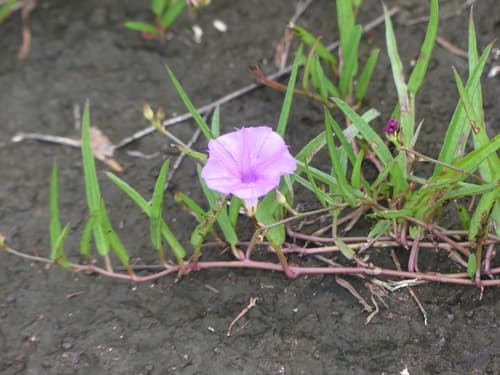
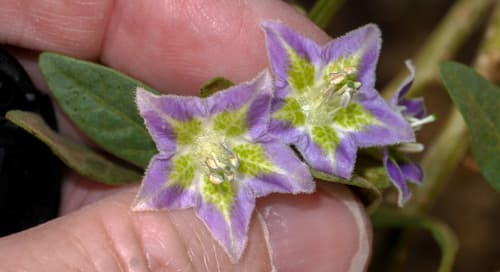
Nolana aplocaryoides is a small, herbaceous perennial or annual plant, often with a prostrate or decumbent growth habit. It features succulent, often hairy stems and leaves, and produces solitary, funnel-shaped flowers that are typically pale lavender to white with a lighter throat.