Nasa rugosa
NameNasa rugosa
Scientific NameNasa rugosa
Common NamesOrtiga brava, Pega pega
Plant FamilyLoasaceae
Natural HabitatNative to the high-altitude Andes regions of South America, typically found on rocky slopes, disturbed areas, and in temperate climates. It thrives in well-drained soils.
Parts Usedleaf,flower
Medicinal Actionsanalgesic, anti-inflammatory
Traditional UsesTraditionally, the stinging leaves of Nasa rugosa are used topically by indigenous communities as a counter-irritant for rheumatic pain, arthritis, and muscle aches. The intentional application of the stinging hairs is believed to stimulate blood flow and alleviate deeper pain and inflammation.
Active Constituentshistamine, acetylcholine, serotonin, peptides
Preparation Methodspoultice
Contraindications & WarningsDirect contact with the plant's stinging hairs can cause severe skin irritation, redness, swelling, and blistering. Avoid contact with eyes, mucous membranes, and broken skin. Not for internal use. Individuals with sensitive skin or allergies should exercise extreme caution.
Cultivation NotesNasa rugosa prefers well-drained, rocky or sandy soils and full sun to partial shade. It is adapted to high-altitude, temperate climates. Propagation is typically by seed. Handle with extreme care due to its potent stinging hairs.
Rarityuncommon
Description
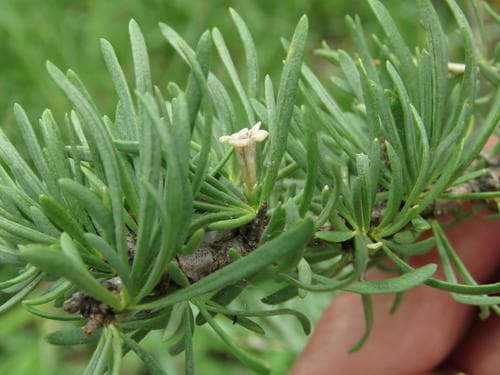
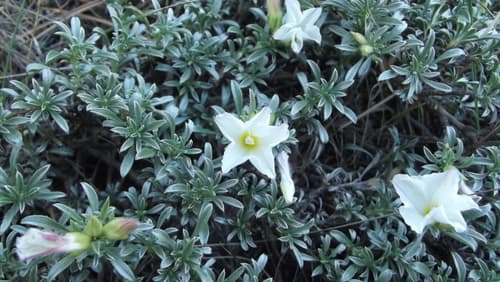
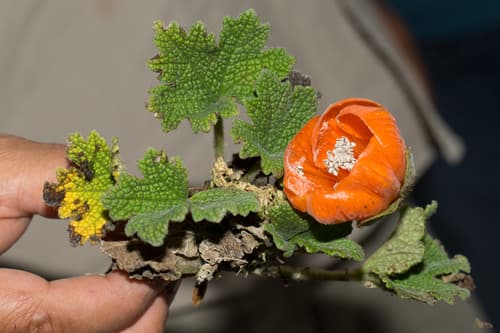
A herbaceous plant characterized by its deeply textured, rugose, lobed leaves and striking orange, cup-shaped flowers with prominent white stamens. The plant is notable for its stinging hairs, which can cause significant irritation upon contact.