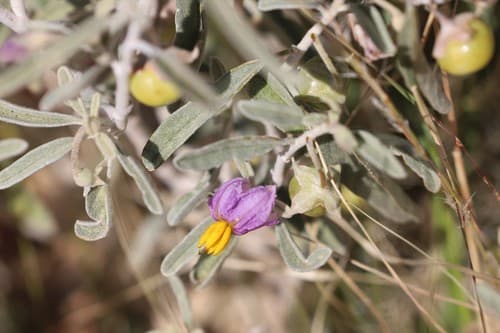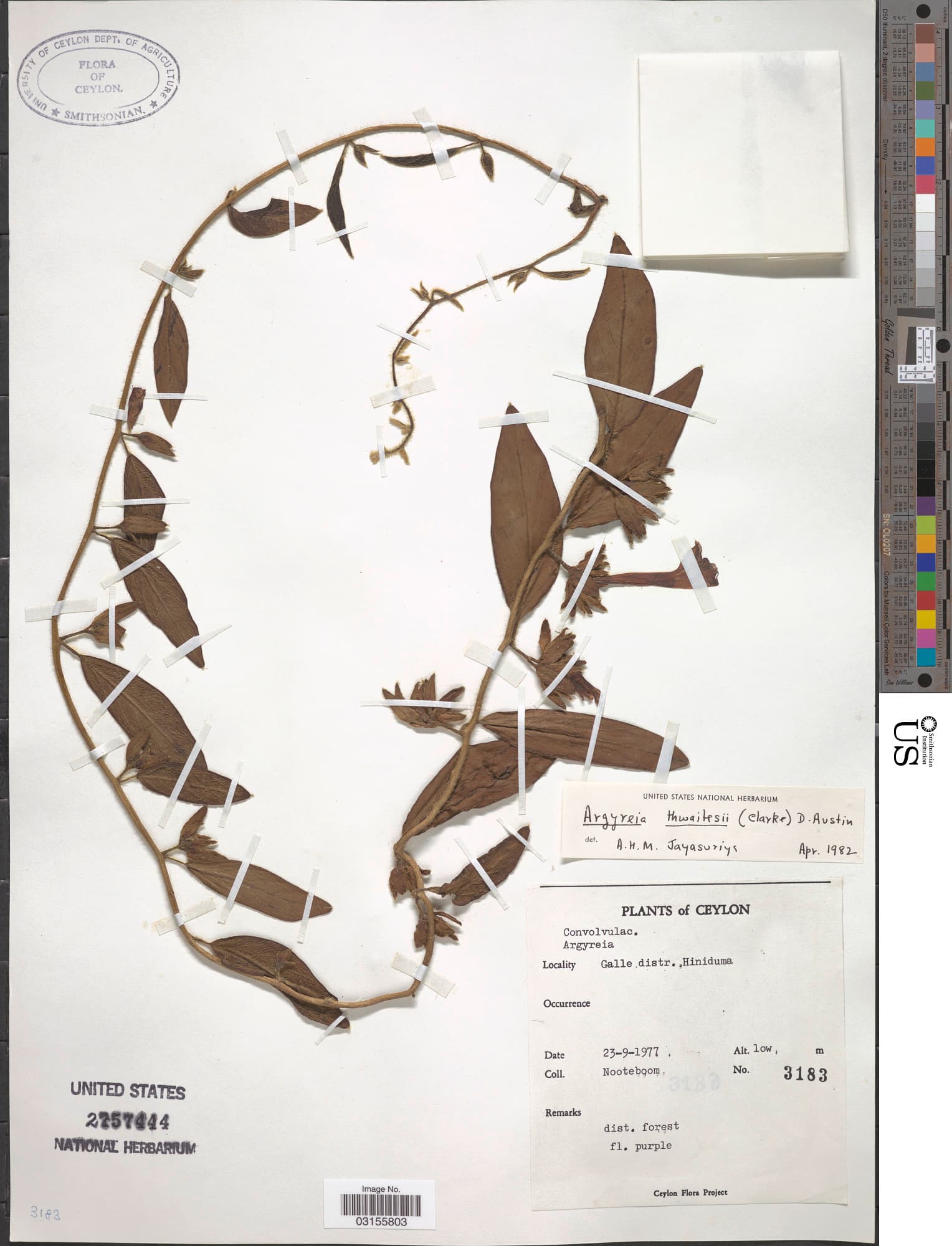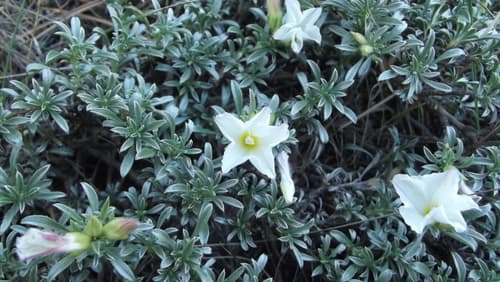
Convolvulus phrygius
NameConvolvulus phrygius
Scientific NameConvolvulus phrygius
Common NamesPhrygian Bindweed
Plant FamilyConvolvulaceae
Natural HabitatThis species is native to the Mediterranean region, particularly Greece and Turkey, where it thrives in dry, rocky slopes, garrigue, and open, sun-exposed areas with well-drained soil.
Parts Usedwhole_plant
Medicinal Actionsantioxidant, anti-inflammatory, antimicrobial
Traditional UsesSpecific traditional medicinal uses for Convolvulus phrygius are not widely documented in ethnobotanical literature. However, other species within the Convolvulus genus have historically been used as purgatives, and some have shown antioxidant, anti-inflammatory, and antimicrobial properties in modern research, suggesting potential for similar actions within the genus.
Active Constituentsresin glycosides, flavonoids, phenolic compounds
Preparation Methodsinfusion, powder
Contraindications & WarningsSpecific contraindications for Convolvulus phrygius are not well-studied. Due to the presence of potentially potent resin glycosides in the genus, general caution is advised, especially for pregnant or nursing individuals, or those with gastrointestinal conditions. Consult a healthcare professional before use.
Cultivation NotesConvolvulus phrygius prefers full sun and well-drained, rocky or sandy soil, mimicking its native Mediterranean habitat. It is drought-tolerant once established and can be propagated from seed or cuttings, making it suitable for xeriscaping or rock gardens.
Rarityuncommon
Description
Convolvulus phrygius is a low-growing perennial subshrub characterized by its silvery-grey, linear to spatulate leaves, often with distinct white margins. It produces funnel-shaped, white to pale pink flowers typical of the bindweed genus, blooming in late spring to summer.