Cudweed
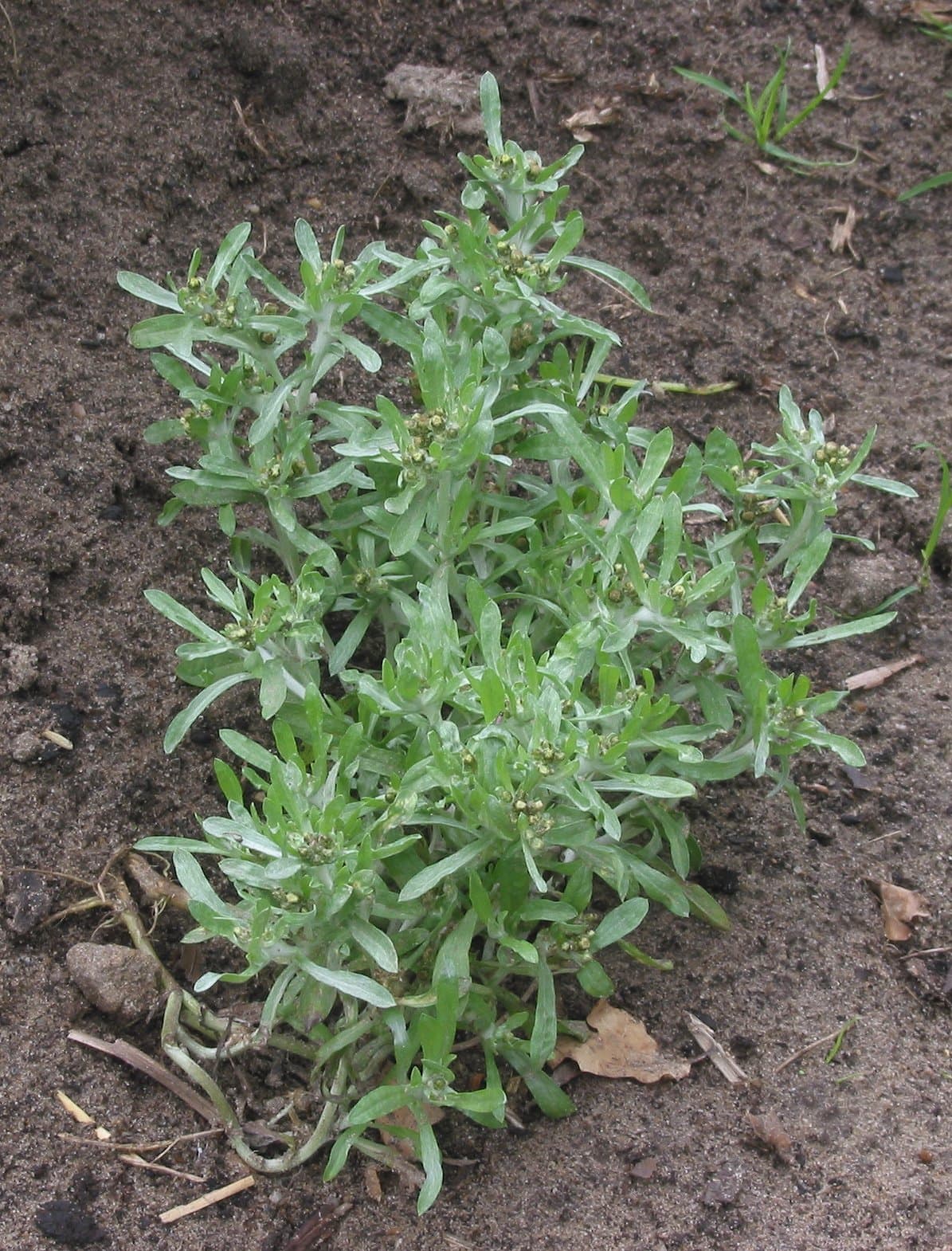
Image: Rasbak (CC BY-SA 3.0)
NameCudweed
Scientific NameGnaphalium uliginosum
Common NamesCudweed, Marsh Cudweed, Low Cudweed, Moerasdroogbloem
Plant FamilyAsteraceae
Natural HabitatCommonly found in damp, disturbed ground such as ditches, pond margins, wet fields, roadsides, and cultivated land. It prefers moist, often sandy or loamy soils.
Parts Usedwhole_plant
Medicinal Actionsanti-inflammatory, antimicrobial, astringent, expectorant
Traditional UsesTraditionally, Marsh Cudweed has been used internally for coughs, colds, sore throats, and bronchitis due to its expectorant and anti-inflammatory properties. Externally, it has been applied as a poultice or wash for wounds, ulcers, and skin inflammations, acting as an astringent and mild antiseptic.
Active ConstituentsFlavonoids, Sesquiterpenes, Tannins, Phenolic acids
Preparation Methodsinfusion, decoction, tincture, poultice, powder
Contraindications & WarningsGenerally considered safe, but pregnant and breastfeeding women should consult a healthcare professional. Allergic reactions are possible in sensitive individuals, especially those with allergies to other plants in the Asteraceae family.
Cultivation NotesAn annual plant that readily self-seeds in suitable conditions. It thrives in moist, well-drained to damp soils and prefers full sun to partial shade, often considered a weed in cultivated areas.
Raritycommon
Description
Gnaphalium uliginosum is an annual herbaceous plant, typically low-growing and branched, with woolly stems and leaves. Its leaves are spatulate to linear-lanceolate, grey-green, and covered in fine hairs, while small, yellowish-brown flower heads are clustered in the leaf axils.