Willow Honeythorn
NameWillow Honeythorn
Scientific NameMelanthornus fasciculatus
Common NamesWillow Honeythorn
Plant FamilyFasciculaceae
Natural HabitatFound in subalpine and montane regions, often growing on rocky outcrops, exposed slopes, and in nutrient-poor, well-drained soils. It tolerates harsh winds and cold temperatures.
Parts Usedleaf,flower
Medicinal Actionsanti-inflammatory, antimicrobial, astringent, demulcent
Traditional UsesTraditionally, the leaves and flowers of Willow Honeythorn have been used to prepare remedies for minor skin irritations and wounds due to their astringent and antimicrobial properties. An infusion is also consumed to soothe sore throats and alleviate coughs, acting as a demulcent and anti-inflammatory agent.
Active ConstituentsFlavonoids, Tannins, Mucilage
Preparation Methodsinfusion, poultice, tincture
Contraindications & WarningsAvoid during pregnancy and lactation due to insufficient safety data. Individuals with known allergies to plants in the Fasciculaceae family should exercise caution.
Cultivation NotesPrefers full sun to partial shade and well-drained, sandy or rocky soils. It is drought-tolerant once established and can withstand cold temperatures, making it suitable for rock gardens or xeriscaping in temperate climates.
Rarityuncommon
Description
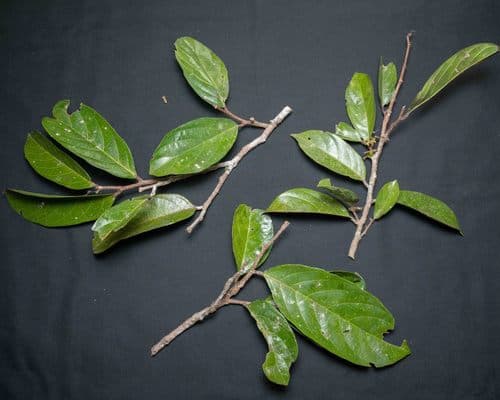
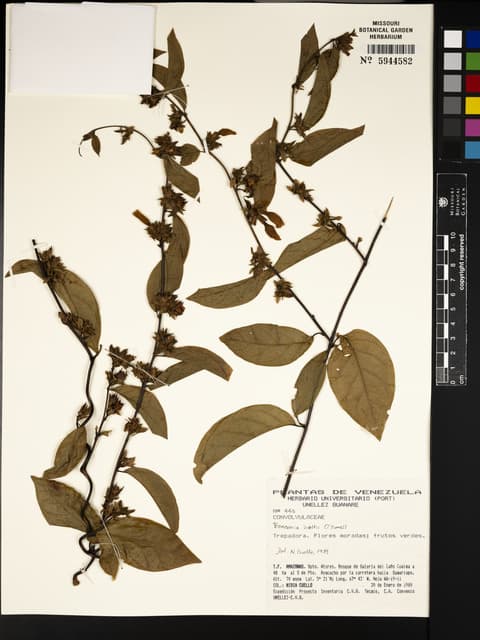
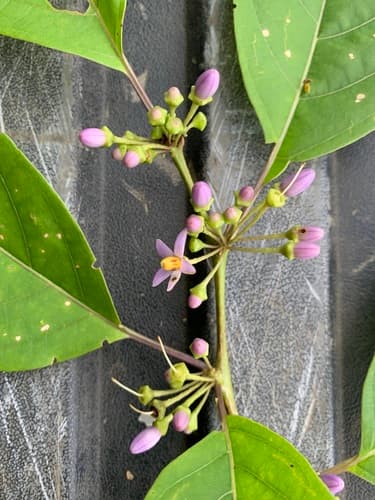
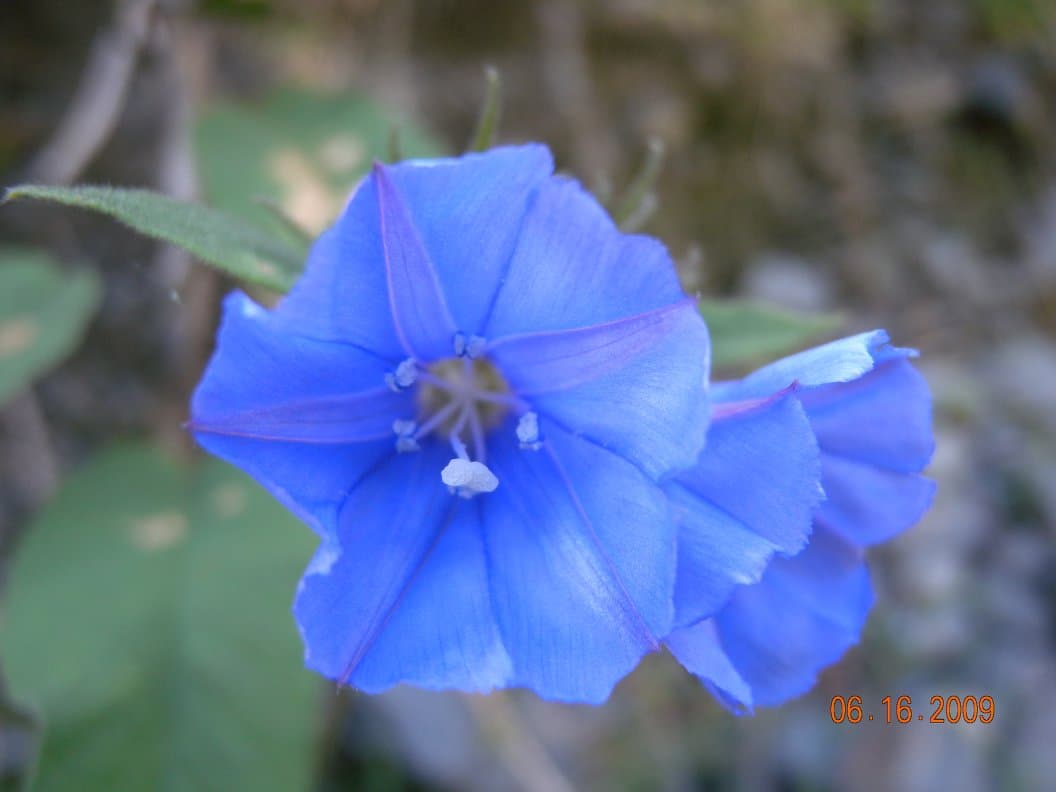
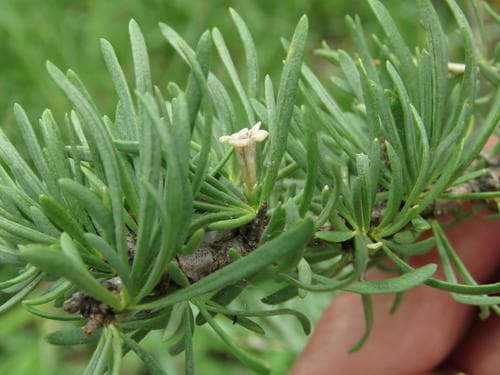
A small, evergreen shrub characterized by dense clusters of narrow, linear, somewhat fleshy green leaves arranged spirally along woody stems. It produces inconspicuous, pale, bell-shaped flowers nestled among the leaf clusters. The plant typically forms a compact, bushy habit.