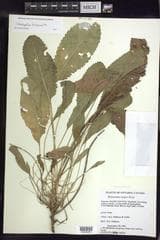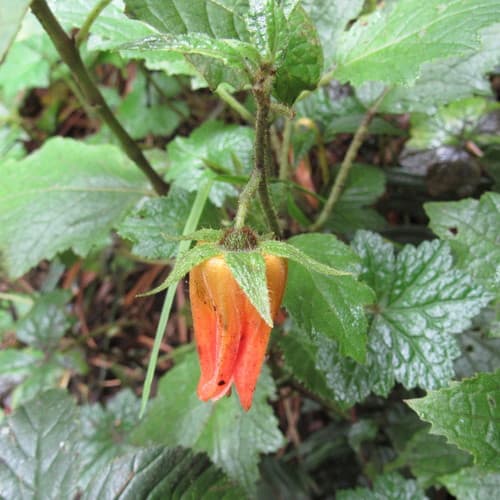
Nasa campaniflora
NameNasa campaniflora
Scientific NameNasa campaniflora
Common NamesStinging Loasa
Plant FamilyLoasaceae
Natural HabitatEndemic to the Andean cloud forests and montane regions of South America, particularly found in Peru and Ecuador. It thrives in humid, shaded understory environments at higher elevations.
Parts Usedleaf,flower
Medicinal Actionsanalgesic, anti-inflammatory
Traditional UsesWhile specific documentation for Nasa campaniflora is limited, other Nasa species are traditionally used in Andean folk medicine. They are often applied externally as poultices or rubs to alleviate rheumatic pain, muscle aches, and localized inflammation, utilizing their stinging properties for counter-irritation.
Active ConstituentsFlavonoids, Triterpenes, Sterols
Preparation Methodspoultice
Contraindications & WarningsDirect skin contact can cause significant irritation due to stinging hairs. Internal use is not traditionally documented and should be avoided due to potential toxicity and lack of safety data.
Cultivation NotesRequires a cool, humid environment with partial to full shade, mimicking its native cloud forest habitat. Prefers rich, well-drained soil and consistent moisture.
Rarityuncommon
Description
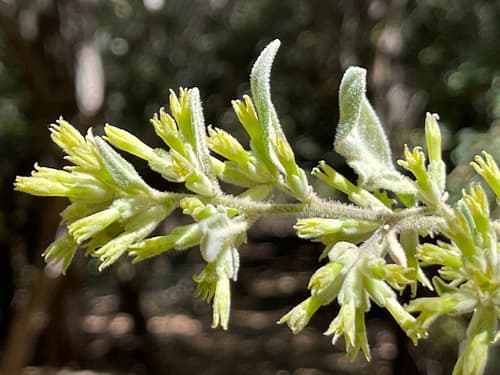
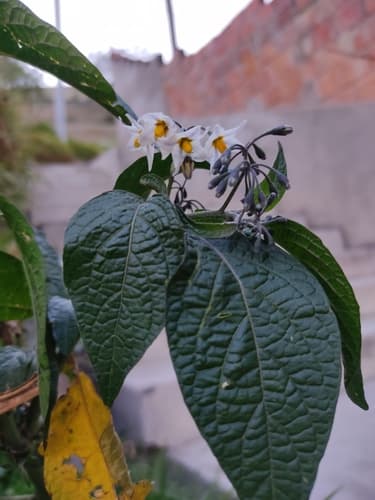
This herbaceous plant features distinctive bell-shaped (campanulate) flowers, typically vibrant orange to reddish-orange, often with a slightly constricted opening. Its leaves are generally lobed or toothed, and like many members of the Nasa genus, it possesses stinging hairs (glochids) that can cause skin irritation upon contact.