Cestrum pacificum
NameCestrum pacificum
Scientific NameCestrum pacificum
Plant FamilySolanaceae
Natural HabitatNative to Fiji, it is typically found in forests and disturbed areas, often thriving in tropical or subtropical climates at lower elevations.
Parts Usedleaf,flower
Medicinal Actionsantimicrobial, analgesic, anti-inflammatory
Traditional UsesWhile the *Cestrum* genus is widely known for its toxicity, some species have been explored in traditional medicine for very cautious external applications, such as poultices for localized pain or inflammation, or for potential antimicrobial properties. However, *Cestrum pacificum* specifically lacks widely documented safe medicinal uses, and all parts are considered highly poisonous.
Active Constituentssteroidal glycoalkaloids, saponins
Preparation Methodspoultice, infusion
Contraindications & WarningsAll parts of *Cestrum pacificum* are highly toxic if ingested, containing steroidal glycoalkaloids and saponins. Ingestion can cause severe gastrointestinal distress, neurological symptoms, and can be fatal. Internal use is strictly contraindicated. Handle with extreme caution, and avoid contact with skin and eyes.
Cultivation NotesPrefers full sun to partial shade and well-drained soil. It can be grown as an ornamental shrub in tropical or subtropical climates, but care should be taken due to its toxic nature.
Rarityuncommon
Description
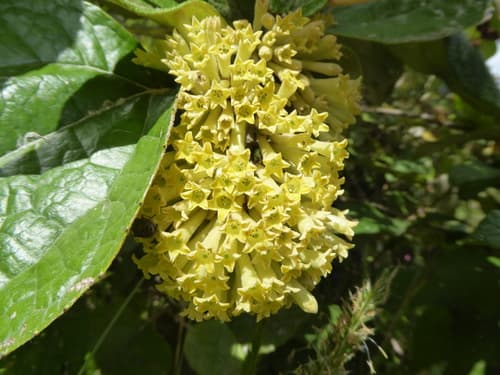
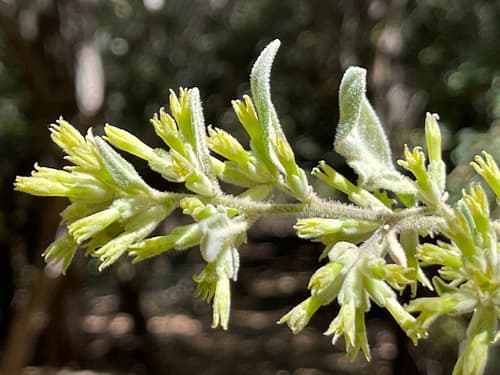
A shrub characterized by fuzzy stems and leaves, bearing clusters of small, tubular, yellowish-green flowers. Its foliage often has a soft, velvety texture, and the flowers are arranged in terminal or axillary inflorescences.