Baja desert-thorn
NameBaja desert-thorn
Scientific NameLycium brevipes
Common NamesBaja desert-thorn, Short-stalk desert-thorn, Thornbush
Plant FamilySolanaceae
Natural HabitatFound in arid and semi-arid environments, including deserts, washes, rocky slopes, and coastal areas of Baja California, Mexico, and parts of Southern California and Arizona, USA.
Parts Usedfruit,leaf,whole_plant
Medicinal Actionsantioxidant, anti-inflammatory, adaptogen
Traditional UsesTraditionally, the edible fruits were a significant food source for indigenous peoples in its native range. Various parts of related Lycium species have been used as a general tonic, for fevers, and to support overall well-being, suggesting adaptogenic and antioxidant properties.
Active ConstituentsPolysaccharides, Carotenoids, Flavonoids, Vitamins (e.g., Vitamin C)
Preparation Methodsinfusion, powder
Contraindications & WarningsGenerally considered safe when fruits are consumed. As with other Lycium species, caution is advised for individuals on blood-thinning medications (e.g., warfarin) due to potential interactions, although this is less documented for L. brevipes than for L. barbarum. Pregnant and nursing women should consult a healthcare professional.
Cultivation NotesThis drought-tolerant shrub thrives in full sun and well-drained soil, typical of desert environments. It can be propagated from seeds or cuttings and requires minimal water once established.
Raritycommon
Description
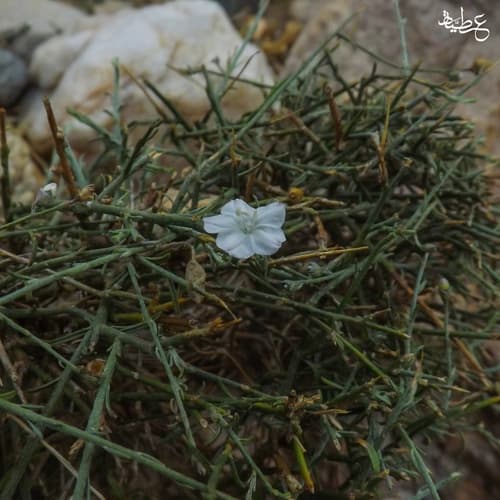
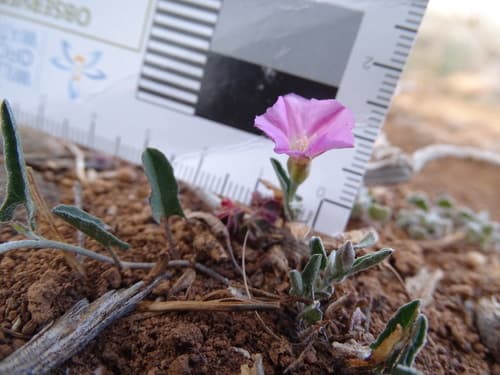
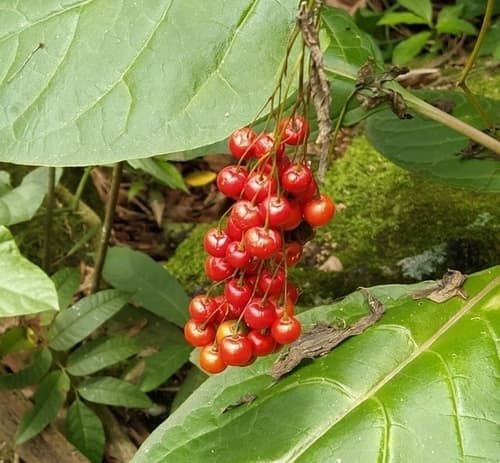
A thorny, deciduous shrub native to arid regions, characterized by its small, fleshy, spatulate leaves and slender, often spiny branches. It produces small, lavender to purple, trumpet-shaped flowers that develop into bright red, berry-like fruits.