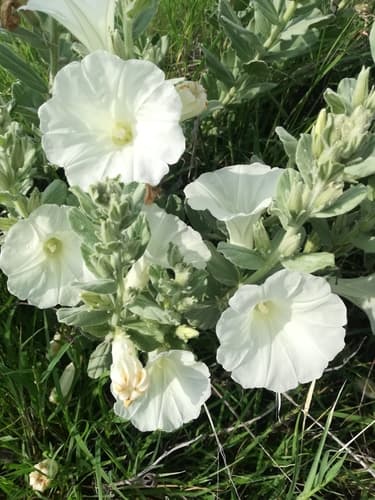
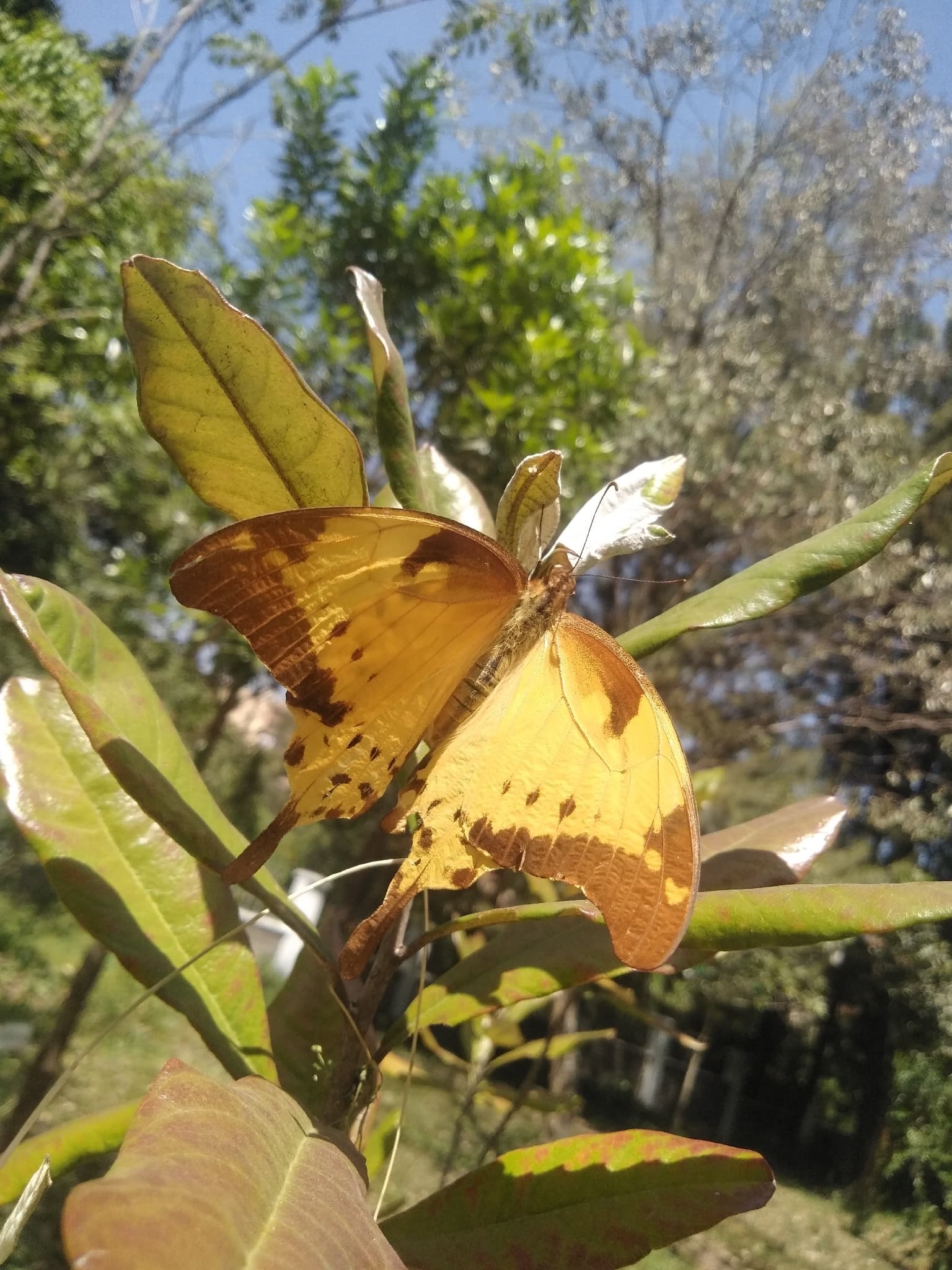
Mountain Kangaroo-apple
NameMountain Kangaroo-apple
Scientific NameSolanum laciniatum
Common NamesMountain Kangaroo-apple, Large Kangaroo Apple, Pōpolo, Poroporo
Plant FamilySolanaceae
Natural HabitatTypically found in open forests, forest margins, disturbed areas, and along watercourses, thriving in damp, fertile soils. It prefers sunny to partly shaded locations and can tolerate a range of conditions.
Parts Usedleaf,fruit
Medicinal Actionsanti-inflammatory, antimicrobial
Traditional UsesIndigenous Australians and Māori traditionally used crushed leaves as a poultice for treating skin ailments, boils, sores, and scabies. The ripe fruit was consumed as food, but unripe fruit and other parts were considered toxic.
Active ConstituentsSolasodine, Solamargine, Solasonine, Steroidal glycoalkaloids
Preparation Methodspoultice, salve
Contraindications & WarningsAll parts of the plant, especially unripe fruit and leaves, are toxic due to steroidal glycoalkaloids. Ingestion can cause severe gastrointestinal and neurological symptoms. Only ripe fruit should be consumed. External use of leaves should be with extreme caution and under expert guidance due to potential skin irritation or absorption of toxins.
Cultivation NotesEasily grown from seed or cuttings in well-drained soil with full sun to partial shade. It is a vigorous grower and can tolerate various soil types, though it prefers moist, fertile conditions. Can be frost-tender in colder climates.
Raritycommon
Description
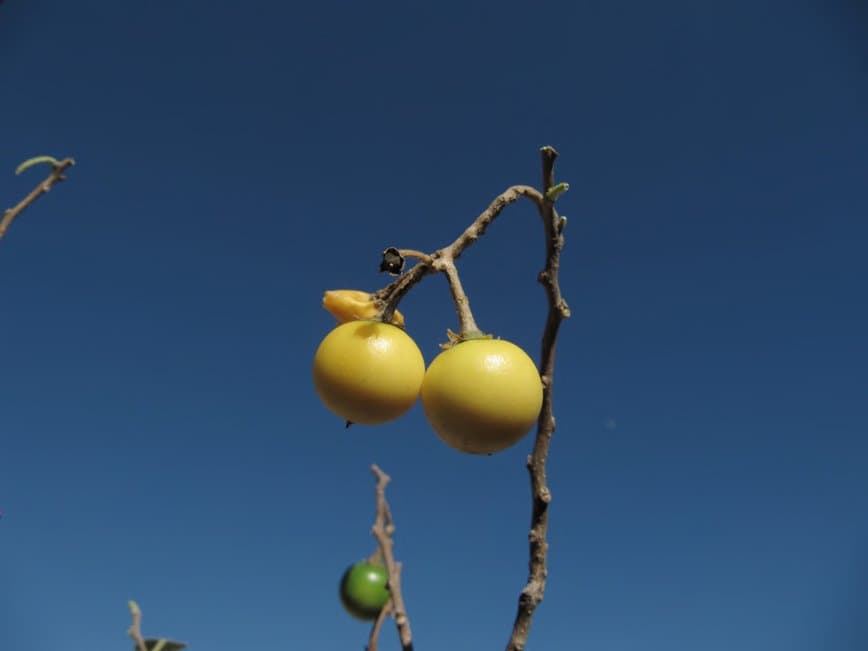
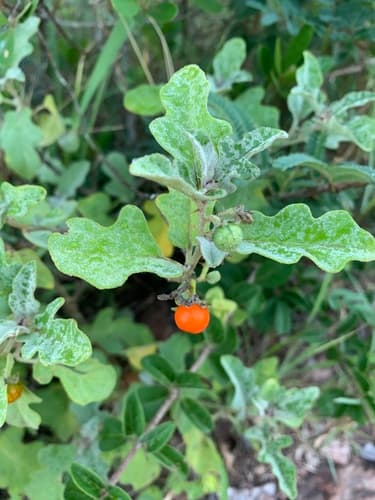
A fast-growing, soft-wooded shrub or small tree native to Australia and New Zealand, characterized by deeply lobed or entire leaves and striking purple, star-shaped flowers. These flowers are followed by egg-shaped green fruits that ripen to orange-yellow.