Solanum hibernum
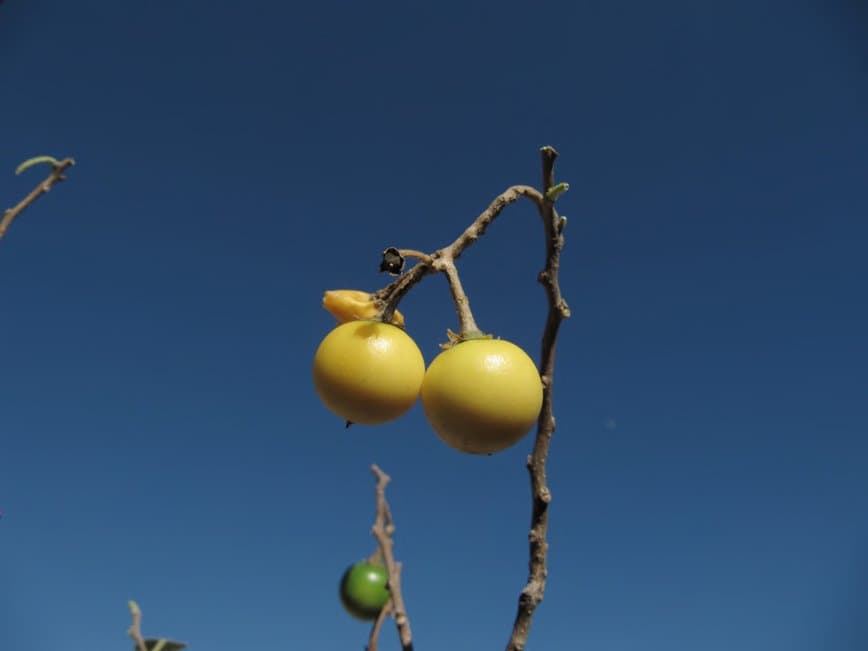
Image: G. A. Parada (cc-by-nc)
NameSolanum hibernum
Scientific NameSolanum hibernum Bohs
Plant FamilySolanaceae
Natural HabitatNative to the Andes region of South America, particularly found in montane forests and disturbed areas in countries like Bolivia and Peru.
Parts Usedfruit,leaf
Medicinal Actionsanti-inflammatory, antimicrobial
Traditional UsesWhile specific traditional uses for Solanum hibernum are not widely documented, other species within the Solanum genus are traditionally used for their anti-inflammatory properties, often applied topically for skin ailments or consumed for internal inflammation and pain relief. Some ripe fruits of related species are consumed.
Active Constituentssteroidal glycoalkaloids, solanine, solasodine
Preparation Methodsinfusion, decoction, poultice, powder
Contraindications & WarningsMany Solanum species, including their unripe fruits and leaves, contain toxic glycoalkaloids which can cause gastrointestinal upset and neurological symptoms. It is generally contraindicated for pregnant or nursing women, individuals with autoimmune conditions, and those with known allergies to the nightshade family.
Cultivation NotesThis plant likely thrives in well-drained soil, preferring full sun to partial shade in temperate to subtropical climates. Propagation is typically achieved through seeds.
Rarityuncommon
Description
Solanum hibernum is a species of nightshade characterized by its woody stems and spherical fruits. These fruits mature from green to a vibrant yellow color, resembling small berries. The plant typically grows as a shrub or small tree.