Nasa macrothyrsa
NameNasa macrothyrsa
Scientific NameNasa macrothyrsa
Plant FamilyLoasaceae
Natural HabitatNative to the Andes of South America, typically found in montane cloud forests, rocky slopes, and disturbed areas at high altitudes.
Parts Usedwhole_plant
Medicinal Actionsanalgesic, anti-inflammatory
Traditional UsesSpecific traditional medicinal uses for Nasa macrothyrsa are not widely documented. However, other species within the Loasaceae family, particularly those with stinging hairs, have been traditionally used as counter-irritants or rubefacients for localized pain, such as rheumatic conditions, by applying the plant topically to stimulate blood flow and distract from deeper pain.
Active Constituentsstinging hairs (glochids) containing various irritants
Preparation Methodspoultice
Contraindications & WarningsDirect contact with the plant can cause severe skin irritation, itching, and burning due to its stinging hairs. Ingestion is not recommended and may lead to internal irritation or toxicity. Avoid contact with eyes and mucous membranes.
Cultivation NotesThis species is not commonly cultivated. It requires specific high-altitude, montane conditions, including well-drained soil and a climate typical of its Andean native habitat. Propagation is likely from seed or cuttings, but success rates may vary outside its natural range.
Rarityuncommon
Description
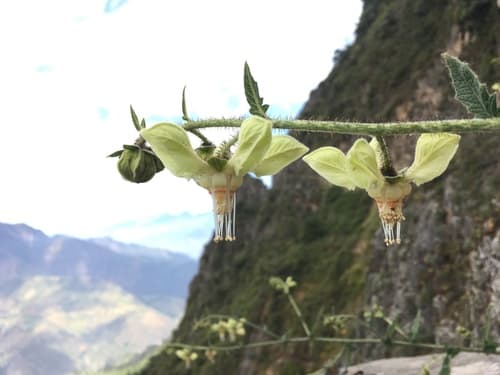
Nasa macrothyrsa is a herbaceous plant characterized by stems and leaves covered in stinging hairs (glochids). It produces pendulous, light green to yellowish flowers with a complex structure, featuring five outer petals and numerous stamens often arranged in bundles.