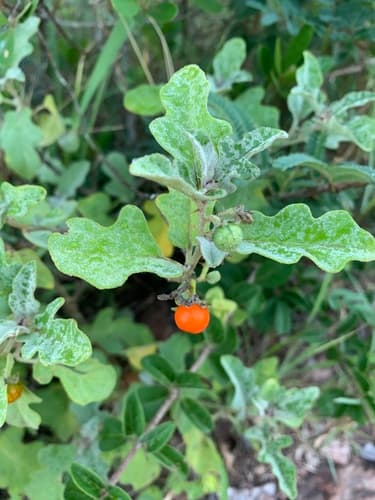
Solanum usaramense
NameSolanum usaramense
Scientific NameSolanum usaramense
Common NamesUsaramo Nightshade
Plant FamilySolanaceae
Natural HabitatNative to East Africa, particularly Tanzania and Kenya, it thrives in dry bushland, open woodlands, and disturbed areas. It is often found on sandy or rocky soils.
Parts Usedfruit,leaf
Medicinal Actionsanti-inflammatory, antimicrobial
Traditional UsesSpecific traditional medicinal uses for Solanum usaramense are not well-documented in widely accessible ethnobotanical literature. Like many species in the Solanum genus, it is generally considered potentially toxic due to the presence of steroidal glycoalkaloids. Any traditional use would likely be highly localized, specific, and require careful preparation due to its toxicity.
Active Constituentssteroidal glycoalkaloids
Preparation Methodspoultice
Contraindications & WarningsAll parts of Solanum usaramense are considered potentially toxic due to steroidal glycoalkaloids. Ingestion can cause severe gastrointestinal upset, neurological symptoms, and can be fatal. It should not be consumed internally. Pregnant and breastfeeding women, children, and individuals with liver or kidney conditions should strictly avoid contact and ingestion.
Cultivation NotesThis plant prefers full sun exposure and well-drained soil. It is drought-tolerant once established and can be propagated from seeds.
Raritycommon
Description
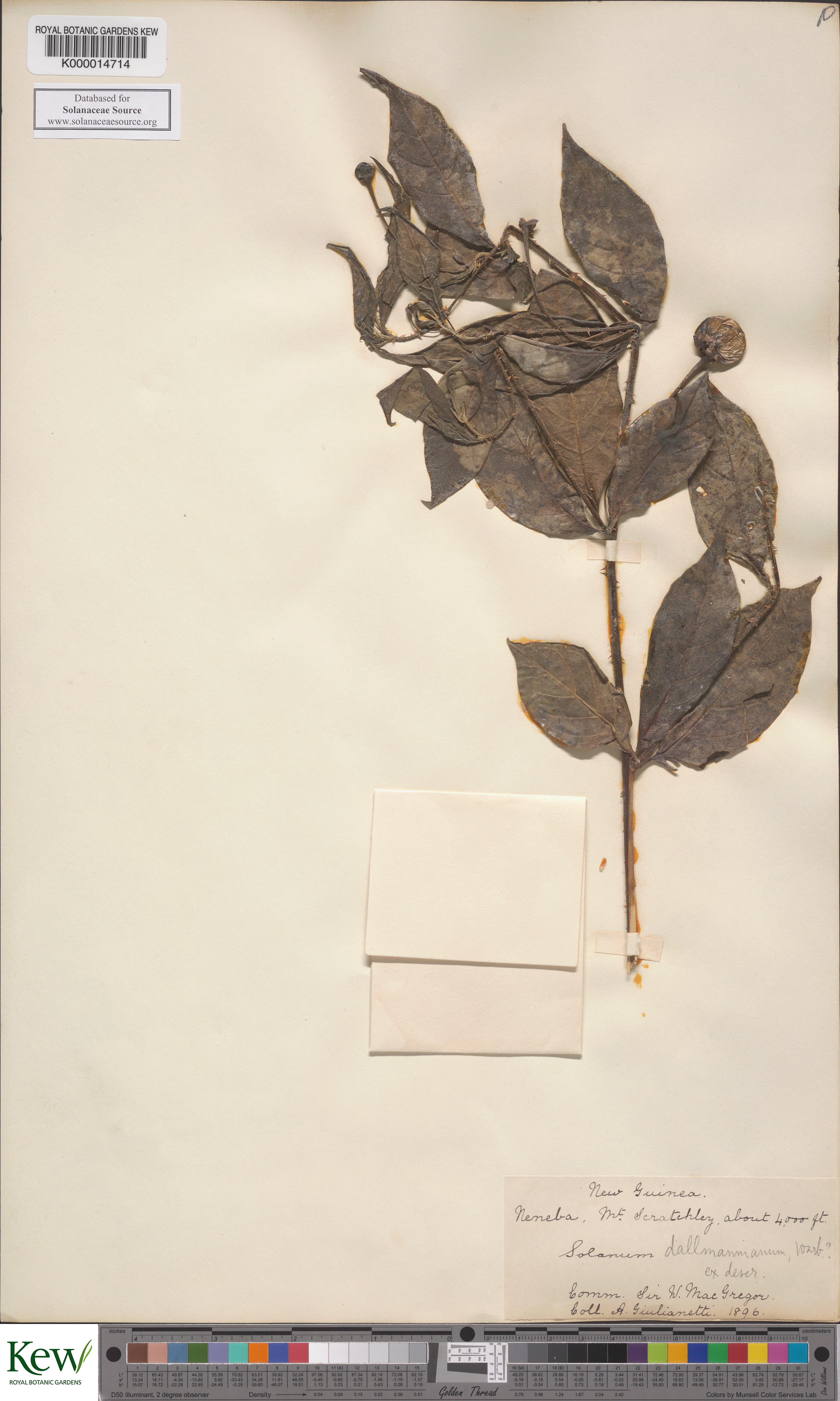
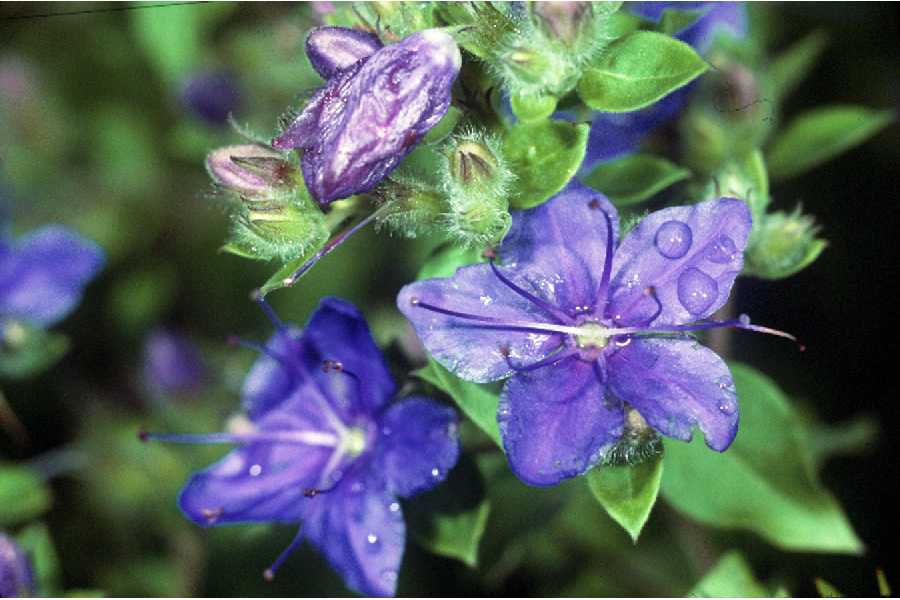
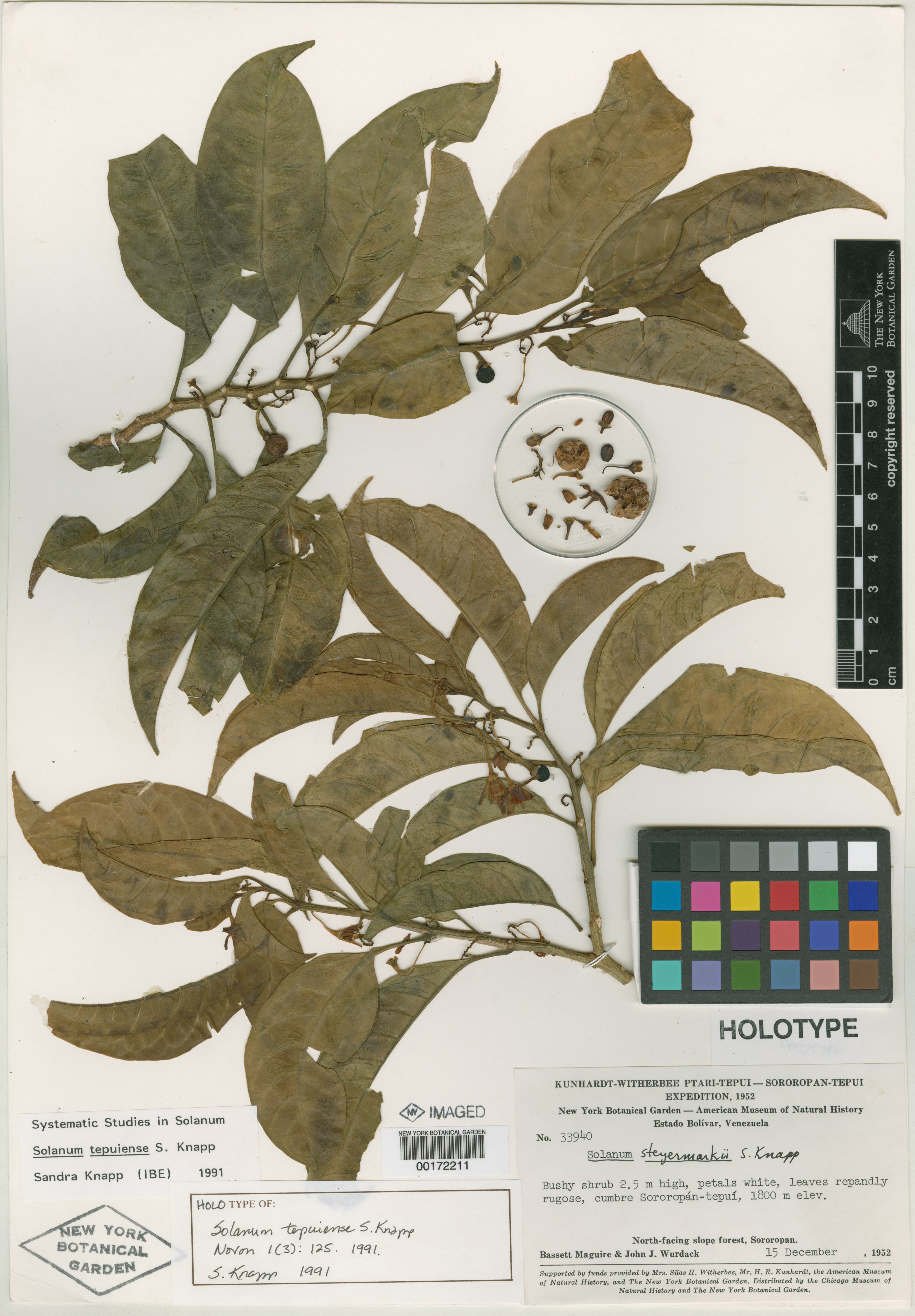
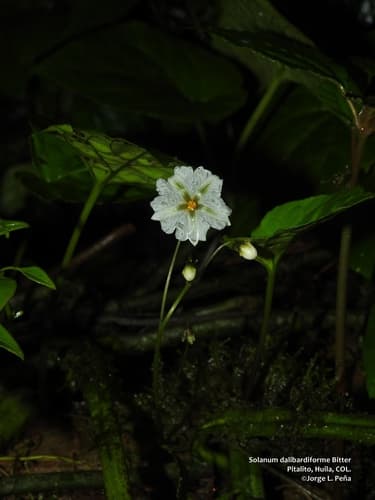
Solanum usaramense is a shrubby plant characterized by its deeply lobed, often hairy or stellate-pubescent leaves, which give it a grayish-green appearance. It produces small, round berries that ripen to a distinctive orange or reddish-orange color, as seen in the image.