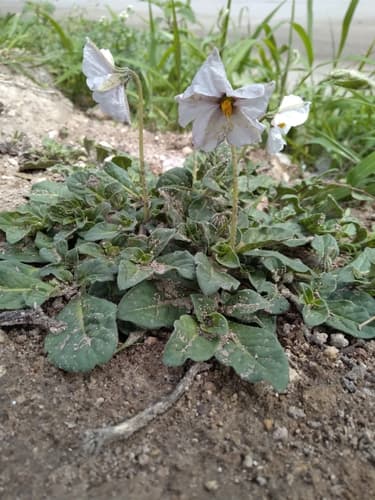
Lycianthes peduncularis
NameLycianthes peduncularis
Scientific NameLycianthes peduncularis
Common NamesWild Potato Nightshade, Pedunculate Lycianthes
Plant FamilySolanaceae
Natural HabitatNative to Mexico and Central America, this plant thrives in disturbed areas such as roadsides, fields, and agricultural lands, preferring full sun to partial shade and well-drained soils.
Parts Usedwhole_plant
Medicinal Actionsanti-inflammatory, analgesic
Traditional UsesWhile specific medicinal uses for Lycianthes peduncularis are not widely documented or scientifically validated, some related Lycianthes species in traditional medicine have been used externally for pain relief and reducing inflammation. Due to the plant's family (Solanaceae), it is generally considered potentially toxic, and internal use is strongly discouraged.
Active ConstituentsSteroidal alkaloids
Preparation Methodspoultice
Contraindications & WarningsAll parts of Lycianthes peduncularis should be considered potentially toxic due to the presence of steroidal alkaloids common in the Solanaceae family. Internal consumption is strongly contraindicated. Not recommended for pregnant or lactating individuals, children, or those with liver or kidney conditions.
Cultivation NotesThis plant is relatively easy to grow in its native range, preferring full sun to partial shade and well-drained soil. It can tolerate various soil types and is often found in disturbed or ruderal habitats.
Raritycommon
Description
A low-growing, herbaceous perennial, Lycianthes peduncularis forms a small rosette of ovate to lanceolate, often hairy leaves. It produces solitary or clustered pale white to lavender, star-shaped flowers, characterized by prominent yellow anthers, typically blooming close to the ground.