Dichondra microcalyx
NameDichondra microcalyx
Scientific NameDichondra microcalyx
Common NamesKidney Weed, Ponyfoot
Plant FamilyConvolvulaceae
Natural HabitatNative to Australia and New Zealand, it thrives in moist, shady to partially sunny areas, often found in lawns, open woodlands, and disturbed ground.
Parts Usedwhole_plant,leaf
Medicinal Actionsanti-inflammatory, diuretic, astringent
Traditional UsesTraditionally, various Dichondra species, including D. microcalyx, have been used by Indigenous Australians for treating wounds, skin irritations, and as a general tonic. It has also been noted for its diuretic properties in some traditional practices.
Active Constituentsflavonoids, phenolic acids, triterpenoids
Preparation Methodsinfusion, poultice, powder
Contraindications & WarningsLimited specific research on contraindications for Dichondra microcalyx exists. As with many herbs, caution is advised during pregnancy and lactation. Consult a healthcare professional before use, especially if on medication.
Cultivation NotesThis plant prefers moist, well-drained soil and can tolerate both full sun and partial shade, though it often performs best with some protection from intense afternoon sun. It is commonly used as a groundcover or lawn substitute in suitable climates.
Raritycommon
Description
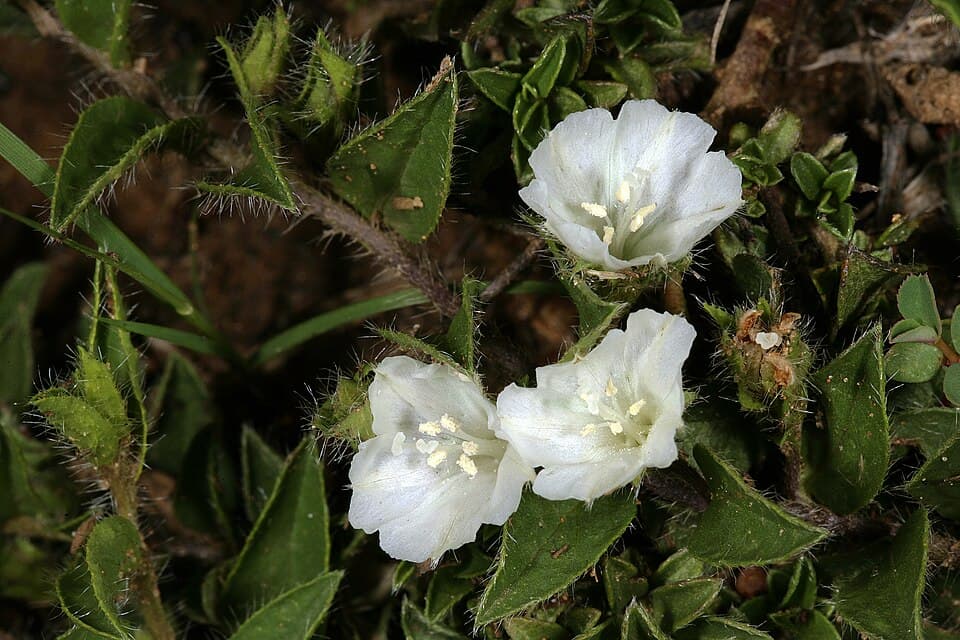
Dichondra microcalyx is a prostrate, creeping perennial herb that forms dense mats. It features small, kidney-shaped to orbicular leaves, typically bright green, growing on slender stems that root at the nodes.