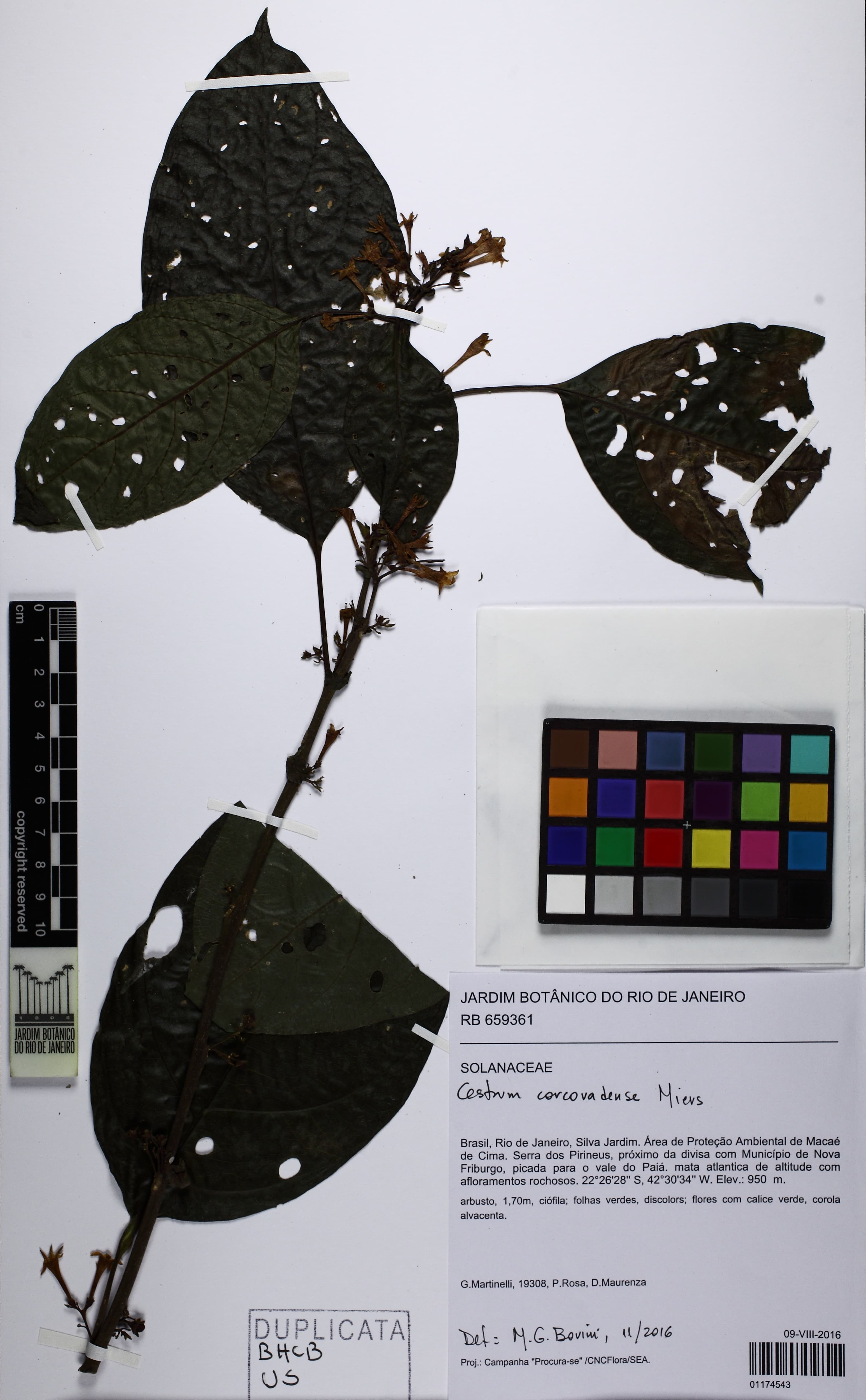
Cestrum corcovadense
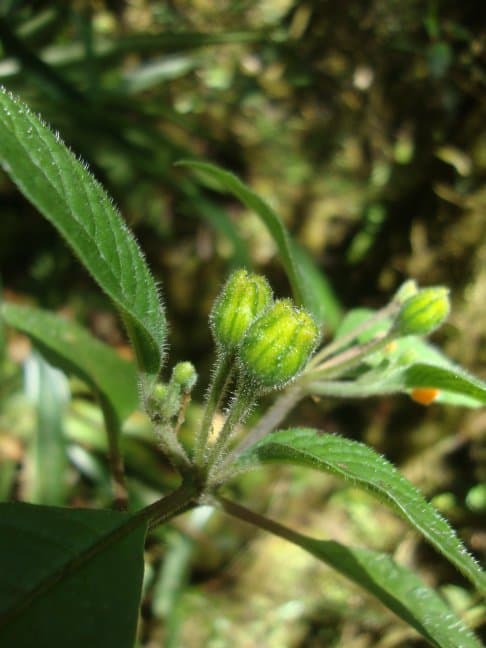
Image: G. Martinelli; P.Rosa, D.Maurenza (cc-by)
NameCestrum corcovadense
Scientific NameCestrum corcovadense Miers
Plant FamilySolanaceae
Natural HabitatNative to Brazil, specifically found in the Atlantic Forest biome at altitude, often in areas with rocky outcrops. The specimen was collected in the Environmental Protection Area of Macaé de Cima, Serra dos Pirineus, Rio de Janeiro, at an elevation of 950 meters.
Parts Used
Traditional UsesThere is no widely documented traditional medicinal use for *Cestrum corcovadense*. The genus *Cestrum* is generally known for containing toxic compounds, and many species are considered poisonous, particularly to livestock.
Contraindications & WarningsAll parts of *Cestrum* species are generally considered toxic, containing steroidal saponins, alkaloids, and other compounds that can cause poisoning if ingested. Symptoms can include gastrointestinal upset, neurological effects, and cardiac issues. It should not be used internally or externally without expert guidance, and is generally not recommended for medicinal use.
Cultivation NotesAs a shrub native to the Atlantic Forest, it likely prefers humid, shaded conditions with well-drained soil, possibly tolerating rocky substrates. Specific cultivation details are scarce, but general *Cestrum* species often prefer warm climates.
Rarityuncommon
Description
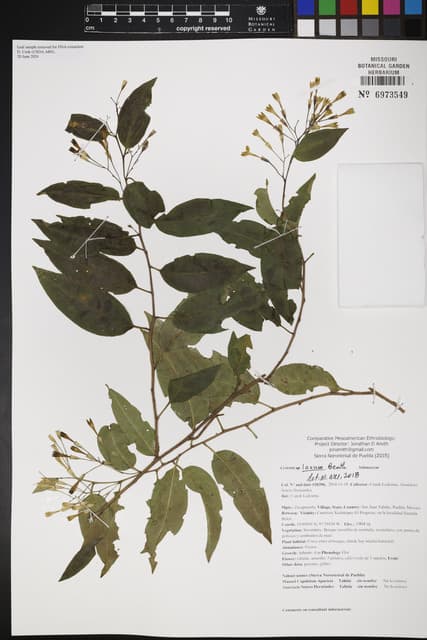
This plant is a shrub, typically growing to about 1.70 meters in height. It is sciophilous, preferring shaded environments. Its leaves are green but can appear discolored, and its flowers feature a green calyx with a whitish corolla.