Gallinero
NameGallinero
Scientific NameCestrum nocturnum
Common NamesNight-blooming Jasmine, Dama de Noche, Raat Ki Rani, Lady of the Night, Gallinero
Plant FamilySolanaceae
Natural HabitatNative to the West Indies and South Asia, this plant thrives in tropical and subtropical climates. It is commonly found in gardens as an ornamental, and often naturalizes in disturbed areas, open woodlands, and along roadsides.
Parts Usedleaf,flower
Medicinal Actionssedative, anti-inflammatory
Traditional UsesTraditionally, the leaves have been used externally as a poultice for skin conditions, burns, and to reduce swellings. In some folk medicine, it has been cautiously used internally for conditions like fever or as a sedative, though such internal uses are highly dangerous due to the plant's inherent toxicity.
Active ConstituentsAlkaloids, Saponins, Flavonoids
Preparation Methodspoultice
Contraindications & WarningsThis plant is highly toxic if ingested, causing severe gastrointestinal distress, nausea, vomiting, dizziness, and potentially more severe neurological symptoms. It is not recommended for internal use, especially by pregnant or nursing women, children, or individuals with pre-existing health conditions. Skin contact may cause dermatitis in sensitive individuals.
Cultivation NotesPrefers full sun to partial shade and well-drained soil, thriving in rich, moist conditions. It is a fast-growing shrub that can be pruned to maintain its desired shape and size. Tolerates a range of soil types and is relatively low-maintenance.
Raritycommon
Description
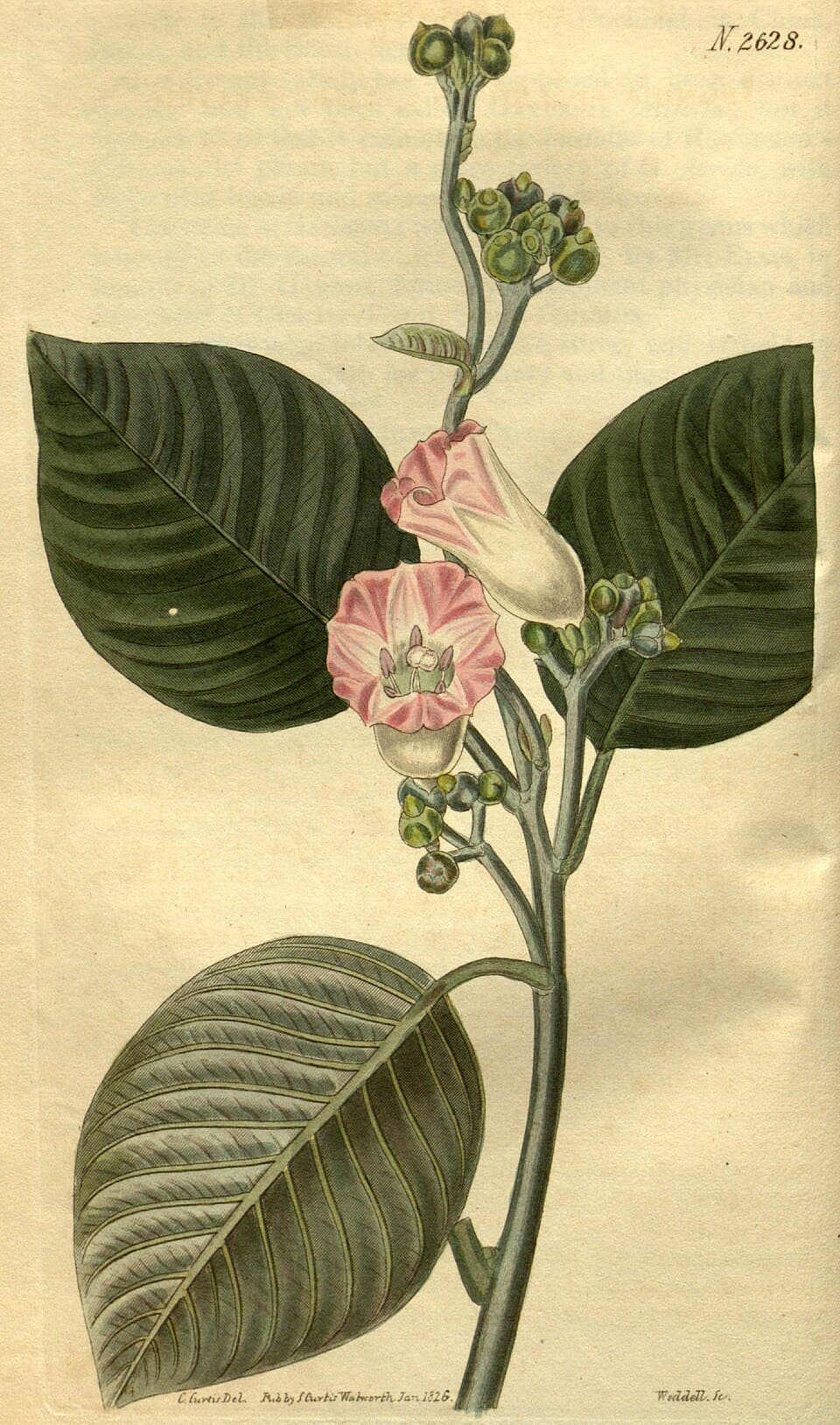
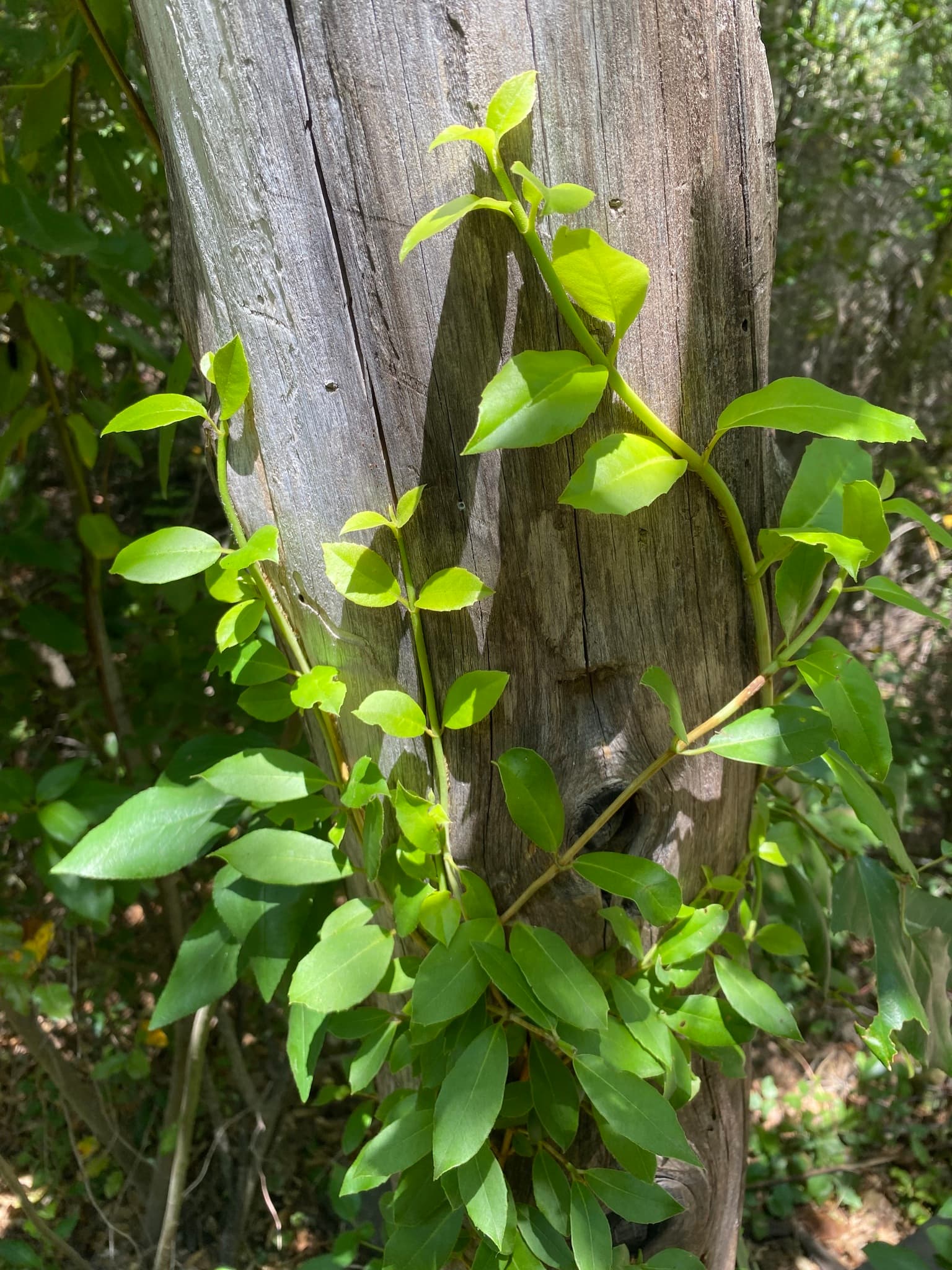
A woody shrub or small tree characterized by its intensely fragrant, tubular, greenish-white flowers that bloom profusely at night. It produces small, spherical green berries that mature to a white or purplish-white color. The leaves are simple, alternate, and typically ovate to lanceolate.