Lycianthes multiflora
NameLycianthes multiflora
Scientific NameLycianthes multiflora
Common NamesMany-flowered Lycianthes
Plant FamilySolanaceae
Natural HabitatNative to tropical and subtropical regions of Central and South America, it thrives in moist forests, forest edges, clearings, and disturbed areas, often found at various elevations.
Parts Usedfruit,leaf
Medicinal Actionsanti-inflammatory, analgesic
Traditional UsesWhile some Lycianthes species are used in traditional medicine for conditions like pain and inflammation, specific well-documented traditional medicinal uses for Lycianthes multiflora are scarce. Due to the presence of potentially toxic compounds common in the Solanaceae family, extreme caution is advised for any internal use.
Active Constituentssteroidal glycoalkaloids, flavonoids
Preparation Methodsinfusion, poultice
Contraindications & WarningsDue to the presence of potentially toxic steroidal glycoalkaloids, Lycianthes multiflora should be considered toxic, especially unripe fruits and leaves. Avoid internal consumption. Contraindicated for pregnant or nursing individuals, children, and those with liver, kidney, or gastrointestinal issues.
Cultivation NotesPrefers tropical to subtropical climates with moist, well-drained soil and partial shade to full sun. Can be propagated from seeds.
Raritycommon
Description
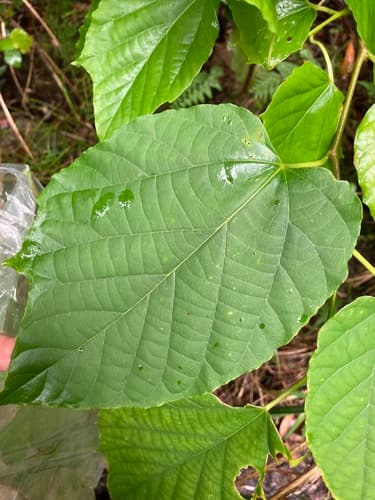
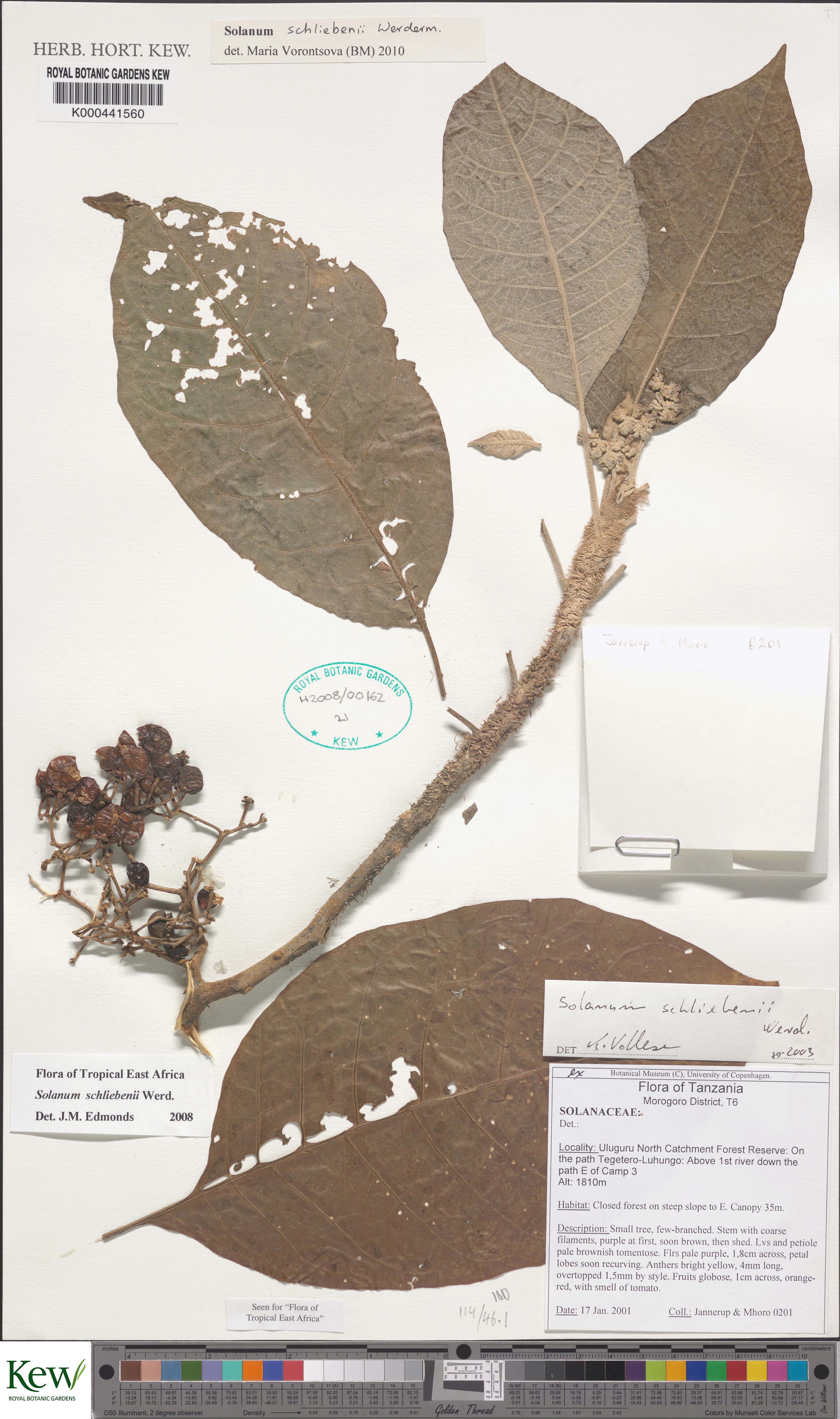
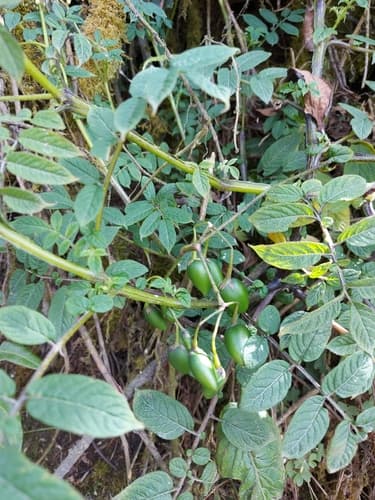
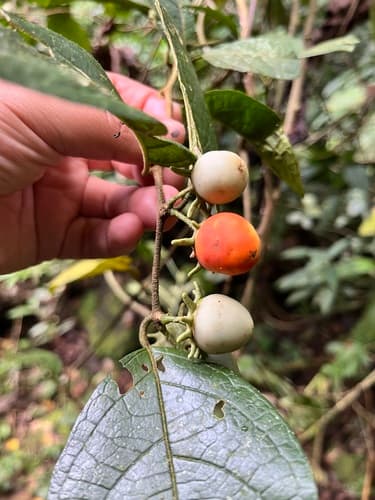
This plant is a shrub or small tree, typically 1-3 meters tall, characterized by simple leaves and small, globose berries that mature from pale green/white to orange or red. It produces clusters of flowers, giving rise to its "multiflora" epithet.