Colombian Wild Potato
NameColombian Wild Potato
Scientific NameSolanum colombianum
Common NamesColombian Wild Potato, Papa de Monte
Plant FamilySolanaceae
Natural HabitatNative to the Andean regions of South America, including Colombia, Ecuador, Peru, and Bolivia. It thrives in montane forests, cloud forests, and disturbed areas at elevations typically between 2000-3500 meters.
Parts Usedleaf,fruit
Traditional UsesPrimarily valued as a genetic resource for potato breeding due to its resistance to diseases and cold tolerance. Direct traditional medicinal uses of its fruits or leaves are not widely documented and are generally considered toxic.
Active ConstituentsSteroidal glycoalkaloids (e.g., solanine, chaconine)
Contraindications & WarningsHighly toxic due to the presence of steroidal glycoalkaloids, especially in unripe fruits and leaves. Consumption can cause severe gastrointestinal distress, neurological symptoms, and can be fatal. Not safe for internal consumption.
Cultivation NotesCan be grown from seeds or tubers. Prefers cool, moist, high-altitude environments with well-drained soil. Primarily cultivated for research and genetic breeding programs rather than direct consumption or medicinal use.
Rarityuncommon
Description
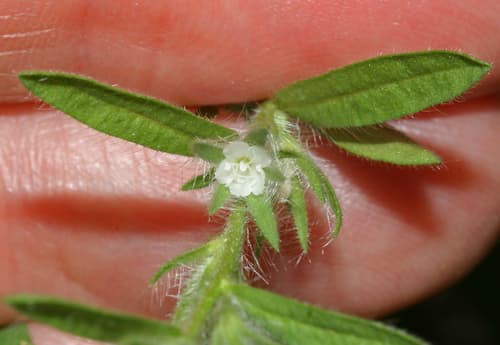
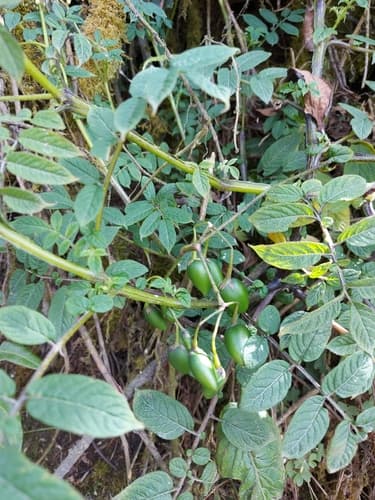
Solanum colombianum is a climbing or sprawling herbaceous vine, a wild relative of the cultivated potato. It features pinnately compound leaves and produces small, ovoid green berries that ripen to purple or black, along with underground tubers.