Alangium premnifolium
NameAlangium premnifolium
Scientific NameAlangium premnifolium
Common NamesAlangium
Plant FamilyCornaceae
Natural HabitatFound in tropical and subtropical forests, often thriving in moist, well-drained soils across Southeast Asia.
Parts Usedbark,root,leaf,fruit
Medicinal Actionsanti-inflammatory, antimicrobial, antioxidant, analgesic, sedative
Traditional UsesTraditionally used in Ayurvedic and folk medicine for treating fevers, skin diseases, snake bites, rheumatism, and diarrhea. The bark and roots are often employed for their various therapeutic properties.
Active ConstituentsAlkaloids, Tannins, Flavonoids, Triterpenoids
Preparation Methodsdecoction, powder, poultice
Contraindications & WarningsDue to the presence of alkaloids, high doses can be toxic. Not recommended for pregnant or nursing women, or young children. Potential interactions with CNS depressants should be considered.
Cultivation NotesThrives in tropical to subtropical climates with moist, well-drained soil and can tolerate both partial shade and full sun. Propagation is typically done via seeds or cuttings.
Raritycommon
Description
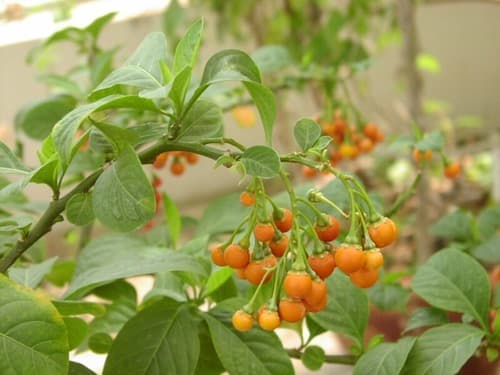
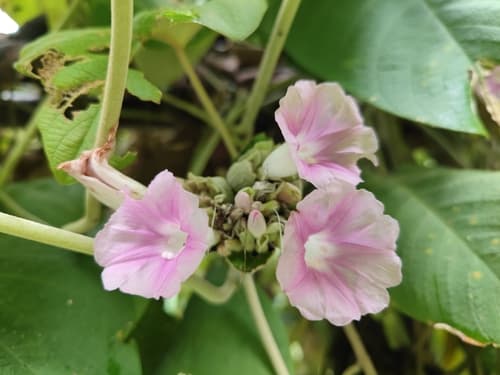
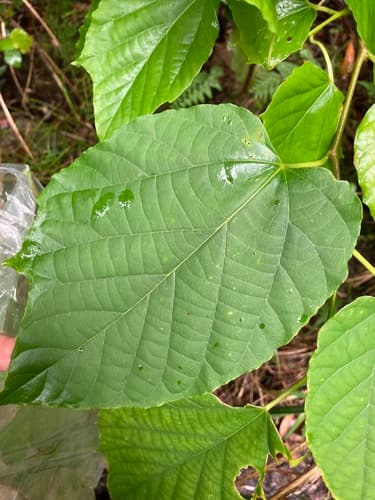
A small to medium-sized tree or shrub characterized by its large, alternate, ovate to cordate leaves with prominent venation. It produces fragrant white or yellowish flowers and small drupaceous fruits.