Linden cestrum
NameLinden cestrum
Scientific NameCestrum racemosum
Common NamesLinden cestrum, Cestrum lindenii
Plant FamilySolanaceae
Natural HabitatNative to tropical and subtropical regions of Central and South America, such as Costa Rica, typically found in lowland forests, forest edges, and disturbed areas at elevations around 50 meters.
Parts Usedleaf,flower
Medicinal Actionsanalgesic, anti-inflammatory, antimicrobial
Traditional UsesTraditionally, some Cestrum species, including those related to Linden cestrum, have been used topically as poultices for pain relief, inflammation, and skin conditions. Internal use is generally cautioned due to the plant's toxicity, but some traditions report very dilute preparations for fevers and certain infections.
Active Constituentssteroidal glycoalkaloids, saponins
Preparation Methodspoultice, decoction, tincture
Contraindications & WarningsAll Cestrum species are generally considered toxic due to the presence of steroidal glycoalkaloids. Internal use is highly discouraged and should only be undertaken under strict expert supervision due to potential gastrointestinal upset, neurological symptoms, and other adverse effects. Contraindicated in pregnancy, lactation, and for children.
Cultivation NotesThis plant thrives in tropical to subtropical climates, preferring well-drained soil and a position in full sun to partial shade. It can be grown as an ornamental shrub or small tree, requiring moderate watering.
Raritycommon
Description
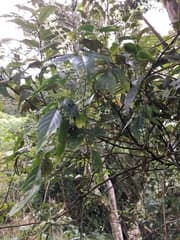
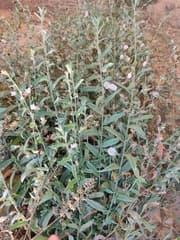
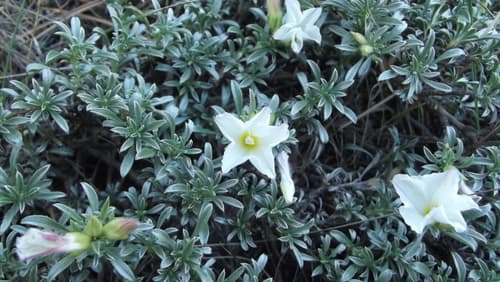
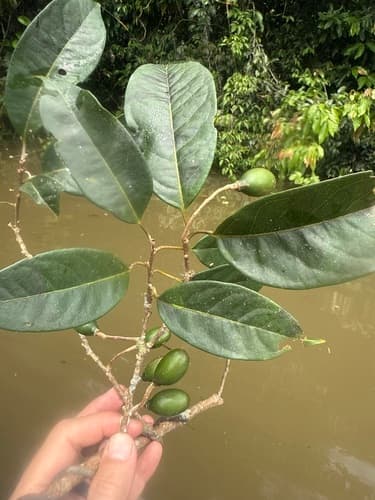
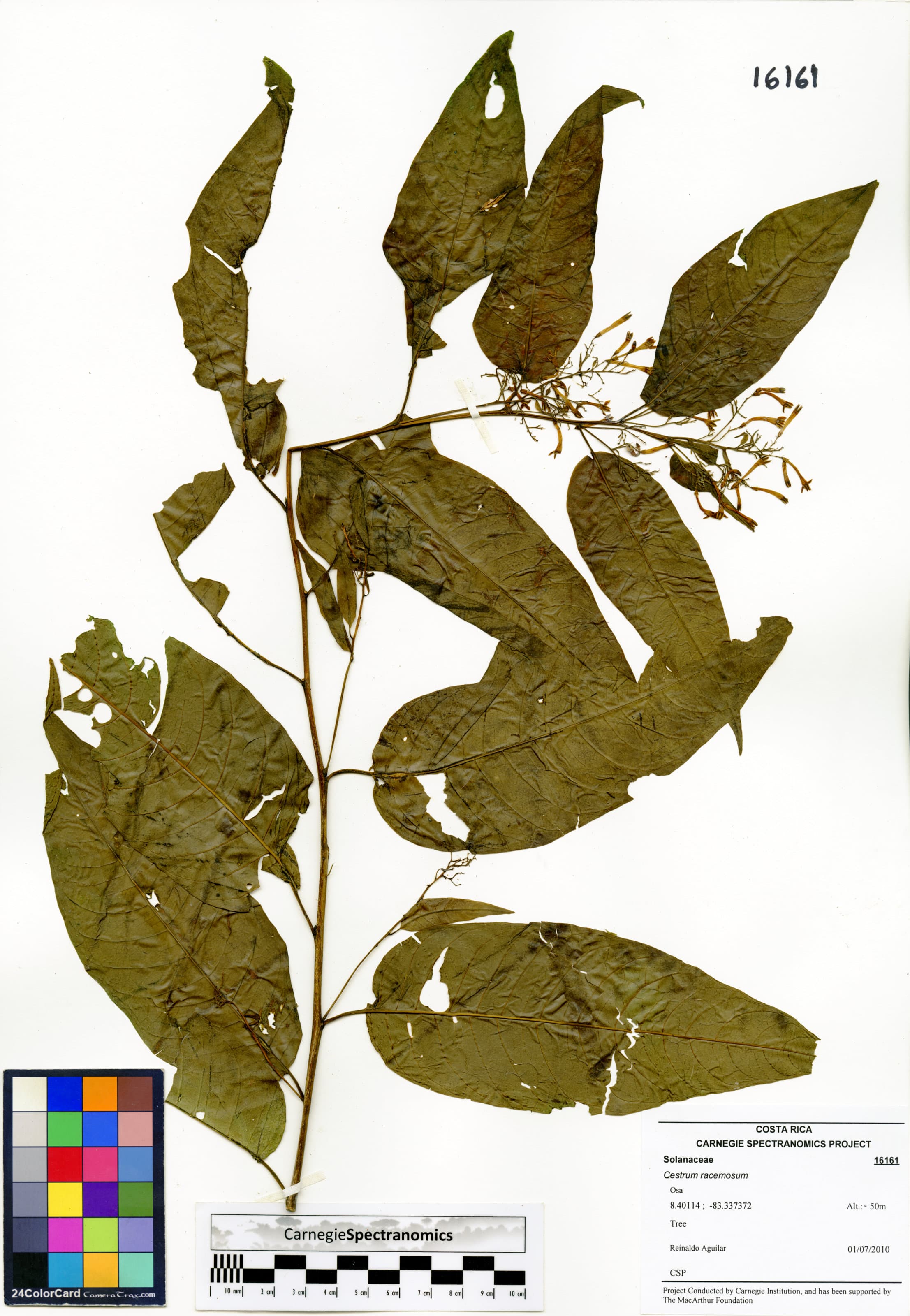
Cestrum racemosum is a woody shrub or small tree characterized by large, simple, alternate leaves and terminal or axillary racemes of tubular, often yellowish or greenish flowers. The leaves are typically ovate to elliptic with entire margins, and the plant produces small berries after flowering.