Prostrate Bindweed
NameProstrate Bindweed
Scientific NameConvolvulus scindicus
Common NamesProstrate Bindweed, Sind Bindweed
Plant FamilyConvolvulaceae
Natural HabitatThis species is native to arid and semi-arid regions of the Indian subcontinent and parts of the Middle East. It commonly thrives in sandy or rocky soils, disturbed areas, and open grasslands, tolerating drought conditions.
Parts Usedwhole_plant
Medicinal Actionsanti-inflammatory, antioxidant
Traditional UsesSpecific traditional medicinal uses for Convolvulus scindicus are not widely documented in accessible sources. However, other species within the Convolvulus genus are traditionally used as purgatives, for fevers, and sometimes for various skin conditions in folk medicine.
Active Constituentsglycosides, resins
Preparation Methodsinfusion, decoction, powder
Contraindications & WarningsDue to potential purgative effects common in related species, it should be avoided during pregnancy, lactation, and in cases of intestinal obstruction or severe gastrointestinal issues. Prolonged use is not recommended without expert guidance.
Cultivation NotesConvolvulus scindicus is a hardy plant, often considered a weed in its native range. It thrives in full sun and well-drained, sandy or rocky soils, requiring minimal water once established.
Raritycommon
Description
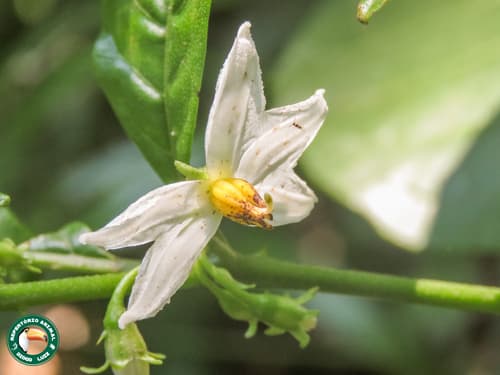
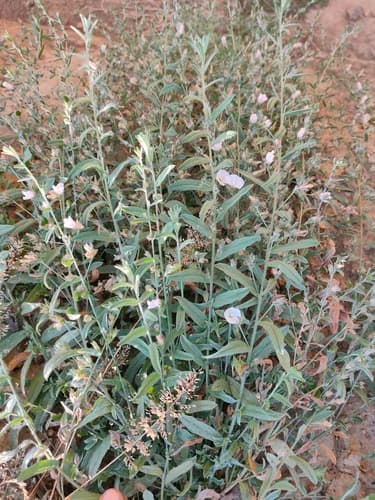
Convolvulus scindicus is a perennial herbaceous plant, typically growing prostrate or ascending, with stems and leaves often covered in silvery hairs. It produces small, funnel-shaped flowers that are usually white or pale pink, characteristic of the bindweed family.