Ulmus chumlia
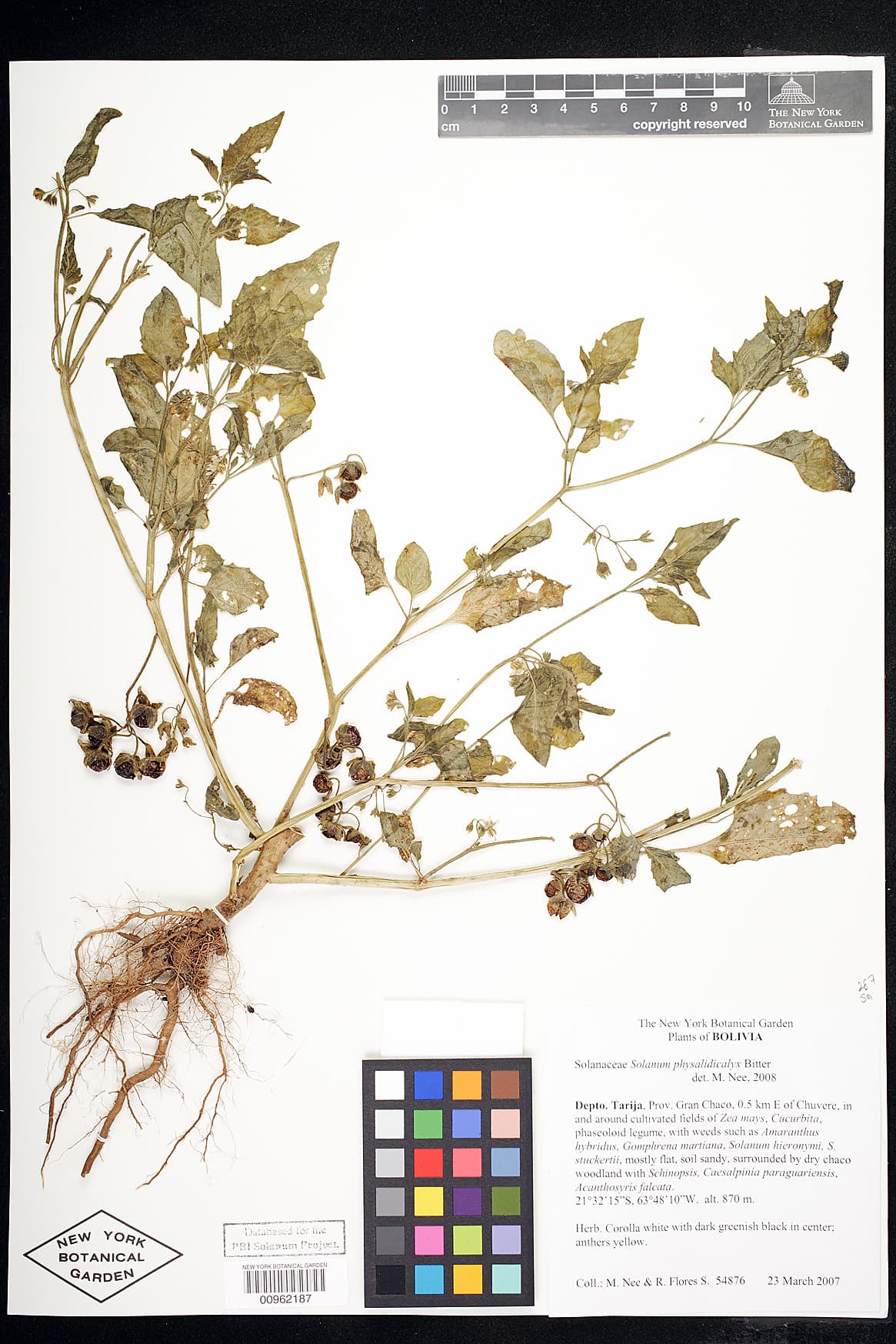

Image: Heybroek, H.M. (cc-by)
NameUlmus chumlia
Scientific NameUlmus chumlia Melv. & Heybr.
Common NamesChumlia Elm, Himalayan Elm
Plant FamilyUlmaceae
Natural HabitatNative to the Western Himalayas, found at altitudes around 2000m, likely in temperate forest ecosystems. The specimen was collected near Nainital, Uttar Pradesh, India.
Parts Usedbark,leaf
Medicinal Actionsdemulcent, anti-inflammatory, astringent, antioxidant
Traditional UsesTraditionally, the bark of Ulmus species is used to soothe irritated mucous membranes of the digestive, respiratory, and urinary tracts. It can be employed for coughs, sore throats, gastritis, and topically for skin irritations and wounds due to its demulcent and anti-inflammatory properties.
Active Constituentsmucilage, tannins, flavonoids
Preparation Methodsinfusion, decoction, powder, poultice
Contraindications & WarningsDue to its mucilage content, elm bark may interfere with the absorption of medications if taken simultaneously. It is generally considered safe, but pregnant or breastfeeding individuals should consult a healthcare professional.
Cultivation NotesElms generally thrive in well-drained soils and prefer full sun to partial shade. As a Himalayan species, it likely requires a temperate climate with distinct seasons and may be tolerant of cold.
Rarityuncommon
Description
Ulmus chumlia is a deciduous tree native to the Western Himalayas, characterized by its simple, alternate, serrated leaves. The leaves are typically ovate to elliptic with prominent venation, as seen in the pressed herbarium specimen.