Jaltomata pilosissima
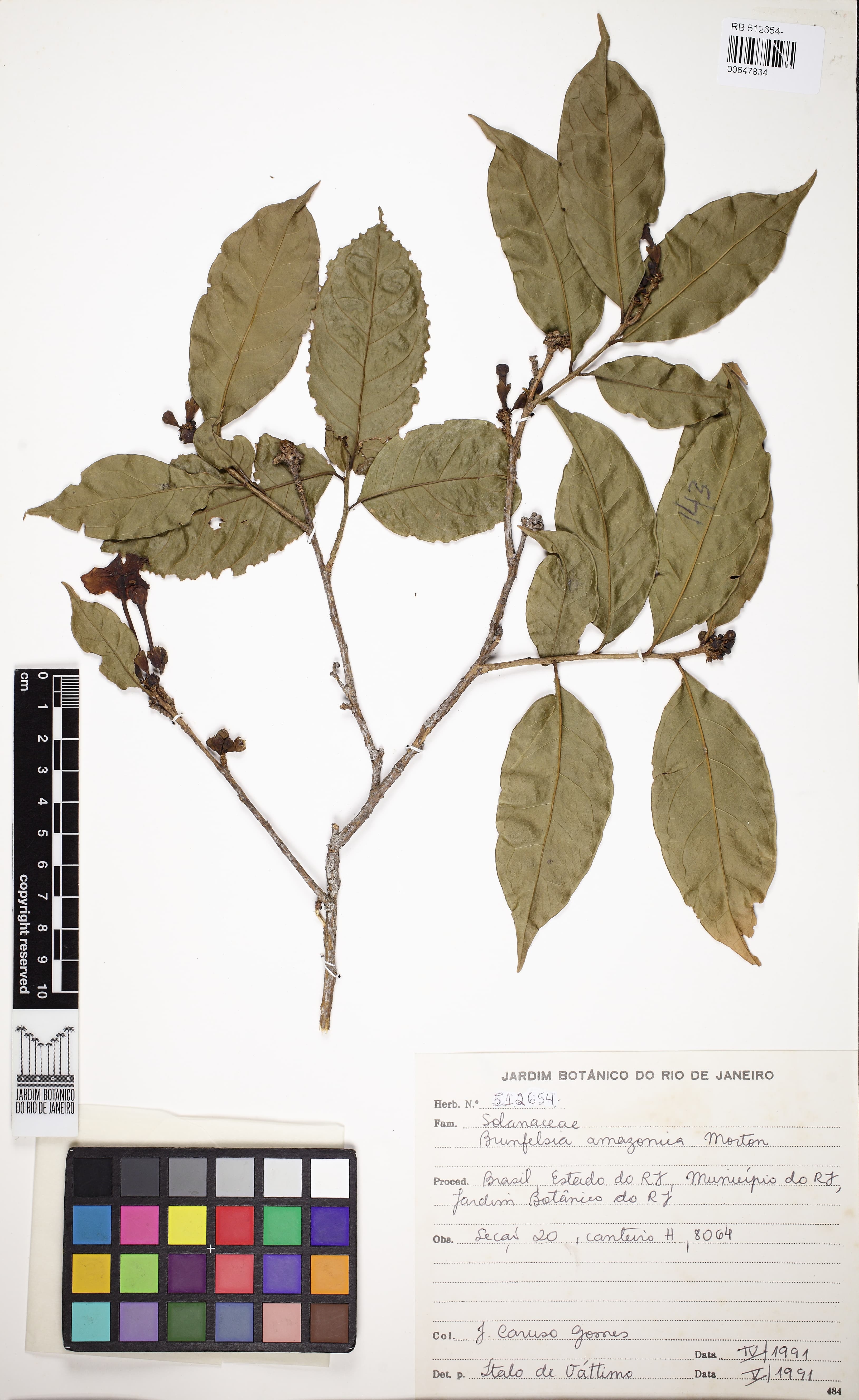
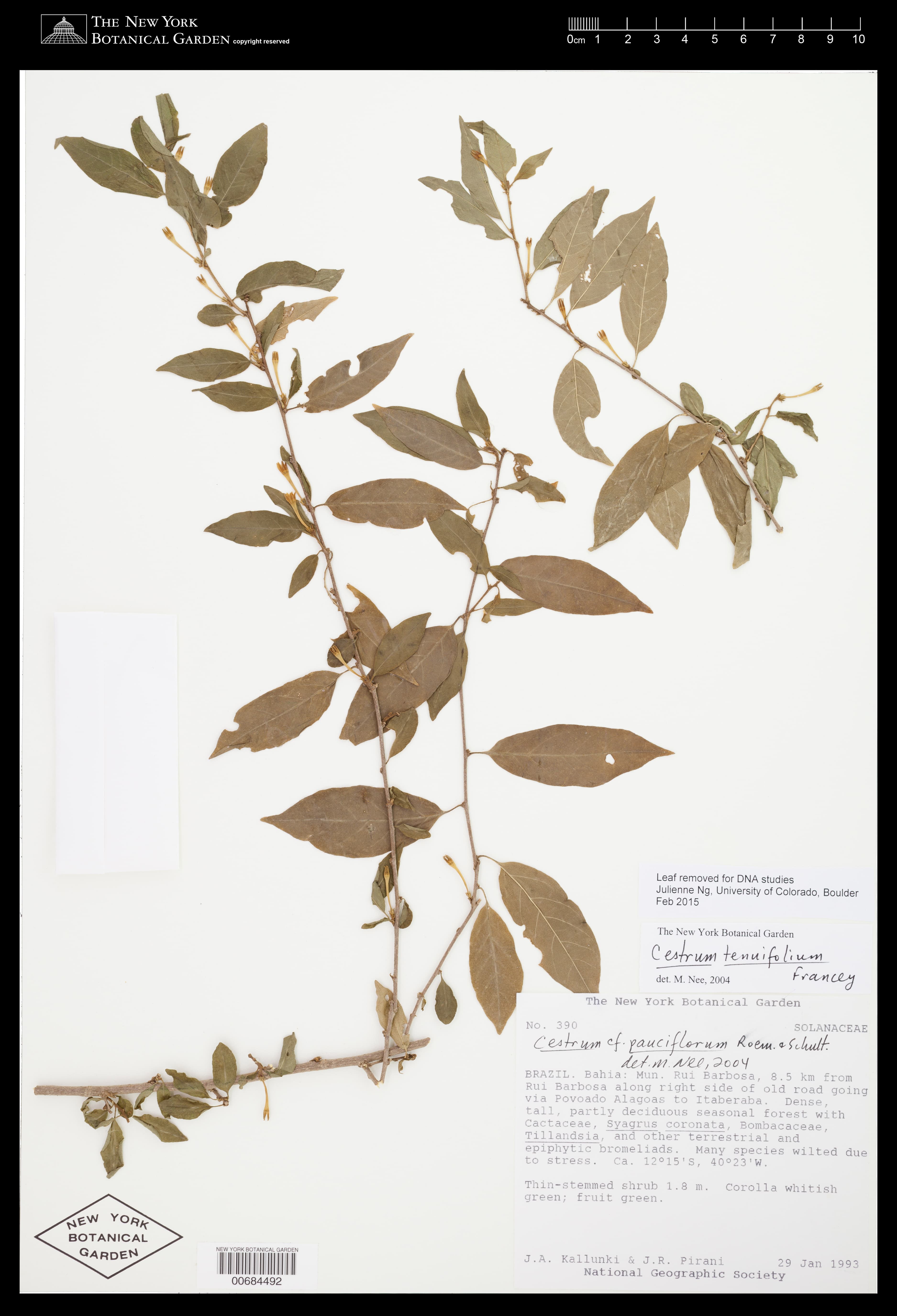
Image: Royal Botanic Garden Edinburgh (cc0)
NameJaltomata pilosissima
Scientific NameJaltomata pilosissima S. Leiva
Plant FamilySolanaceae
Natural HabitatFound in xerophytic scrubland (matorral xerófito) in the Áncash region of Peru, specifically below Yanas, on the left bank of the Marañón river, at an altitude of 2373 meters.
Parts Usedfruit,leaf
Medicinal Actionsantioxidant
Traditional UsesSpecific traditional medicinal uses for *Jaltomata pilosissima* are not widely documented. However, other species within the genus *Jaltomata* are known for their edible fruits, which are often consumed fresh and valued for their nutritional content, including antioxidants. Some traditional applications for related species include general well-being and minor ailments.
Active ConstituentsAnthocyanins, Flavonoids
Preparation Methodsinfusion, decoction
Contraindications & WarningsNot specifically documented for this species. As with many plants in the Solanaceae family, caution is advised due to the potential presence of alkaloids, although edible *Jaltomata* fruits are generally considered safe when consumed in moderation.
Cultivation NotesThis species thrives in dry, xerophytic conditions, suggesting a preference for well-drained soils and a warm, arid to semi-arid climate. It grows as a subshrub and would likely require minimal water once established.
Rarityuncommon
Description
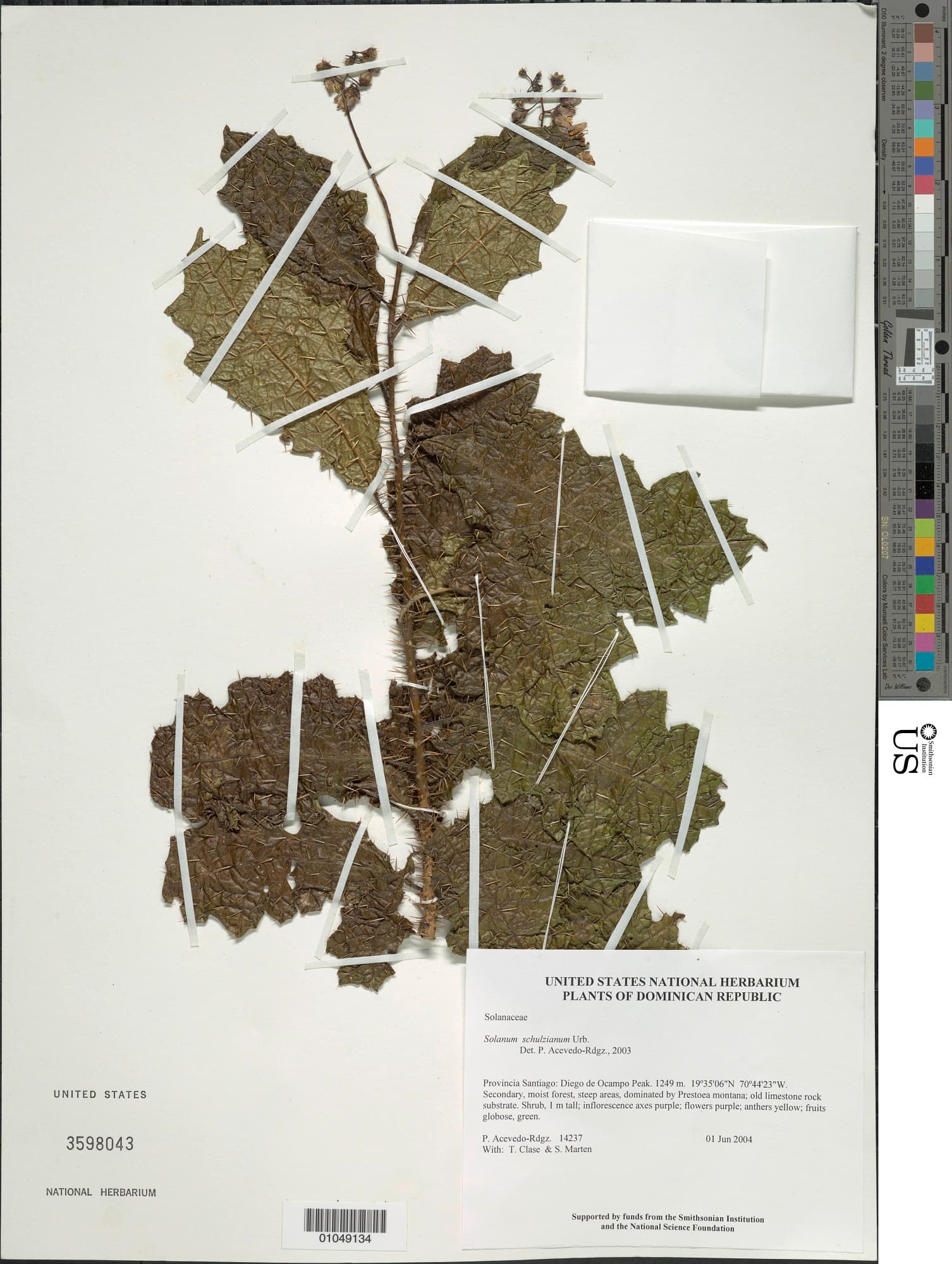
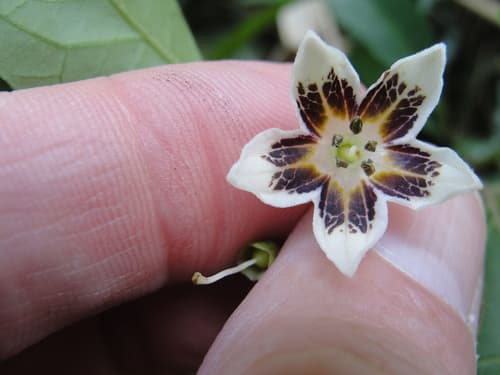
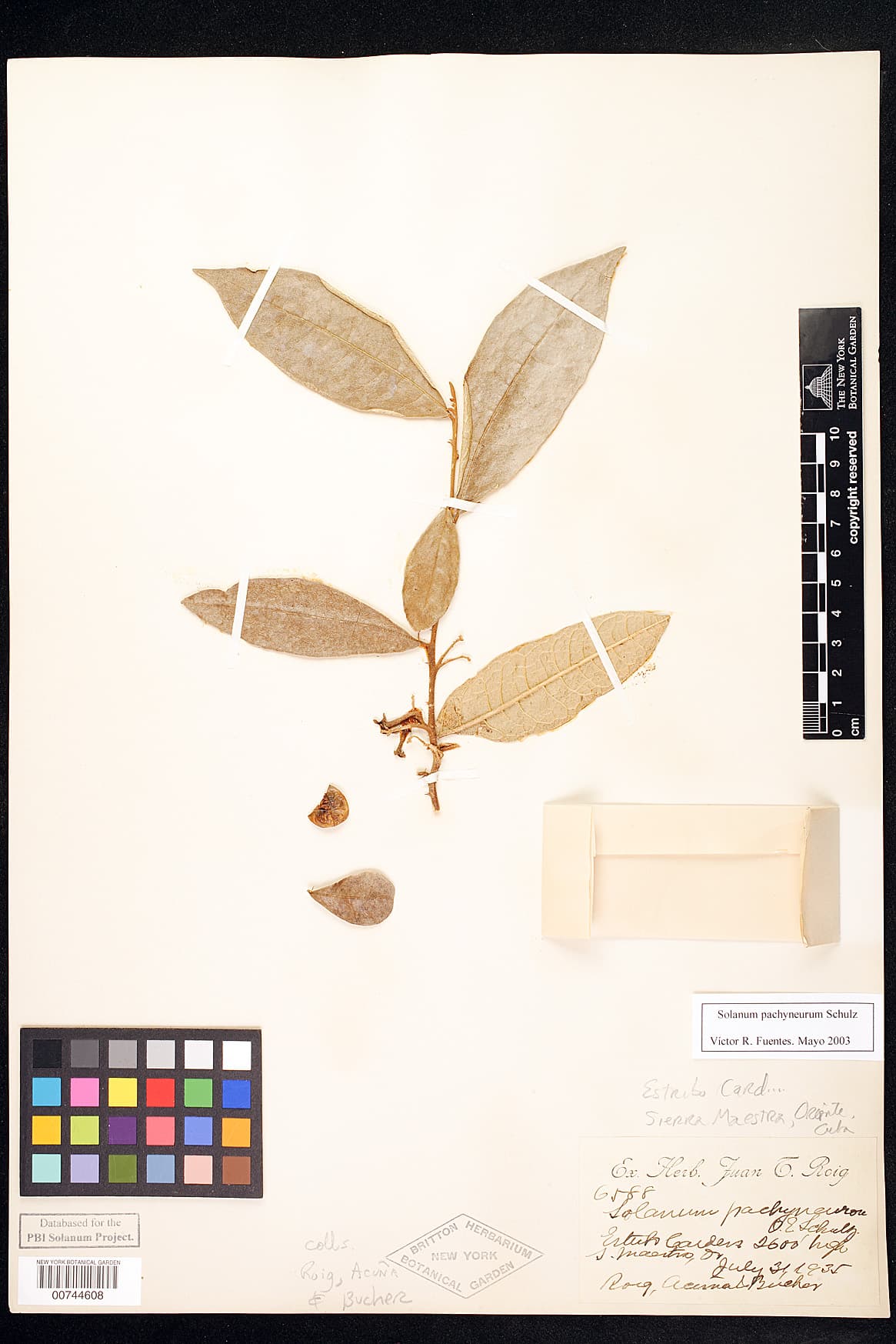
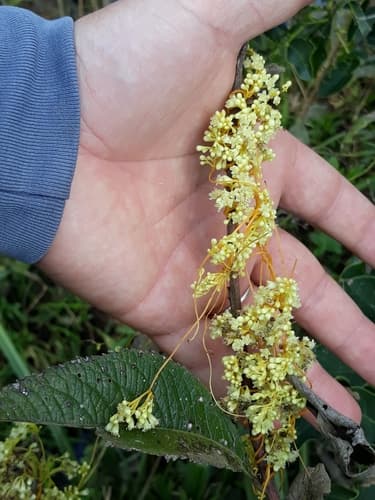
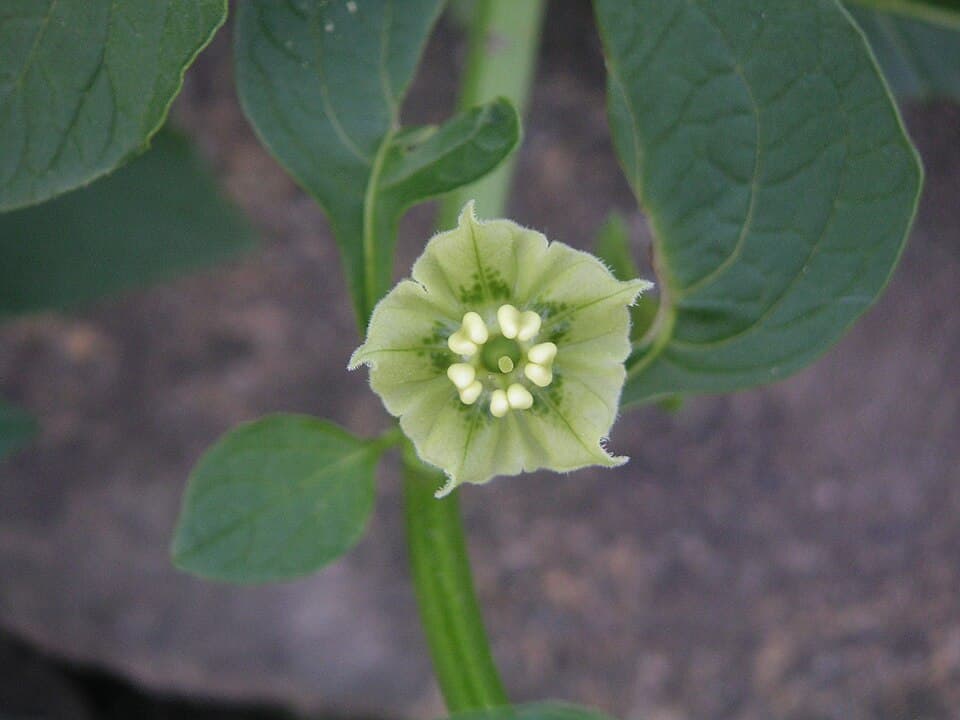
A subshrub, typically growing 60-70 cm tall, characterized by its sparse habit and likely hairy (pilosissima) stems and leaves. It produces small, ovate leaves and features lilac flowers, which develop into dark, berry-like fruits (or persistent calyces as seen in the specimen).