Capsicum pereirae
NameCapsicum pereirae
Scientific NameCapsicum pereirae
Common NamesPereira's Wild Chili, Brazilian Wild Chili
Plant FamilySolanaceae
Natural HabitatNative to humid forests and forest edges in Brazil, often found growing in the understory or disturbed areas.
Parts Usedfruit,leaf
Medicinal Actionsanalgesic, anti-inflammatory, antioxidant
Traditional UsesTraditionally, the fruits of Capsicum species, including wild varieties like C. pereirae, are used topically for pain relief from conditions such as arthritis, muscle aches, and sprains due to their warming properties. They may also be used internally in small amounts as a digestive stimulant or for circulatory support, though specific traditional uses for C. pereirae are less documented than for cultivated species.
Active ConstituentsCapsaicinoids, Capsaicin, Dihydrocapsaicin
Preparation Methodspowder, tincture, poultice, salve
Contraindications & WarningsTopical application can cause skin irritation, burning, or redness; avoid contact with eyes and mucous membranes. Internal use may cause gastrointestinal upset, heartburn, or diarrhea, especially in sensitive individuals. May interact with blood-thinning medications.
Cultivation NotesThis species prefers warm, humid climates and well-drained soil, often thriving in partial shade conditions mimicking its natural forest understory habitat. It can be grown from seed, requiring consistent moisture and protection from frost.
Rarityuncommon
Description
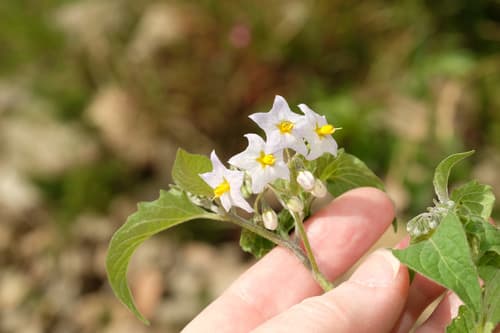
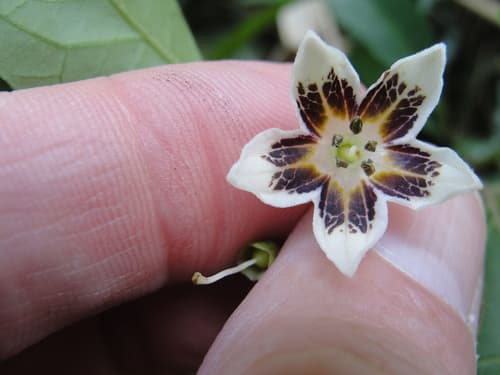
Capsicum pereirae is a perennial shrub native to Brazil, characterized by small, often white flowers with distinctive dark purple or brown markings on the petals, as seen in the image. It produces small, typically red, pungent fruits that are characteristic of the Capsicum genus.