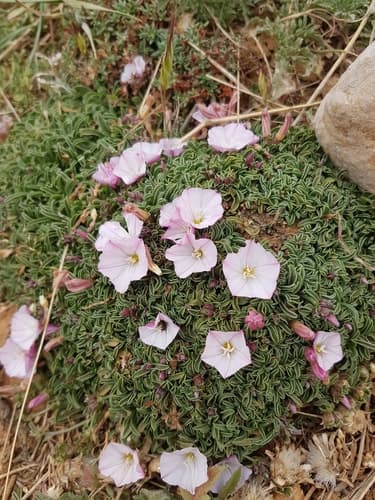
Ipomoea wolcottiana
NameIpomoea wolcottiana
Scientific NameIpomoea wolcottiana
Common NamesPalo Blanco, White Tree Morning Glory
Plant FamilyConvolvulaceae
Natural HabitatNative to dry tropical forests, deciduous forests, and thorn scrub regions of western Mexico, thriving in arid and semi-arid environments.
Parts Usedleaf,bark
Medicinal Actionsanti-inflammatory, antimicrobial
Traditional UsesWhile specific traditional uses for Ipomoea wolcottiana are not extensively documented, other species within the Ipomoea genus are traditionally used for various ailments, including skin conditions, wound healing, and as purgatives. Local traditional medicine may have utilized its leaves or bark for general inflammatory or microbial issues.
Active ConstituentsResin glycosides, Flavonoids, Phenolic compounds
Preparation Methodsinfusion, decoction, poultice
Contraindications & WarningsDue to limited scientific research on Ipomoea wolcottiana, caution is advised. Some Ipomoea species contain compounds that can be strongly purgative or potentially toxic in high doses. Consult a healthcare professional before use.
Cultivation NotesThis plant prefers full sun and well-drained soil, demonstrating significant drought tolerance once established. It can be propagated from seeds and is suitable for xeriscaping in appropriate climates.
Rarityuncommon
Description
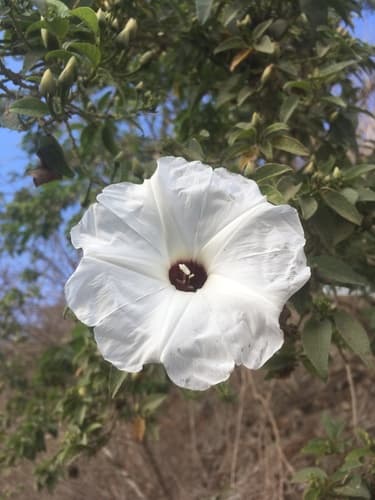
A deciduous shrub or small tree, typically growing 2-6 meters tall, characterized by its distinctive smooth white bark. It produces large, showy, trumpet-shaped white flowers with a dark purplish throat, often blooming profusely after rains.