Blue Cohosh
NameBlue Cohosh
Scientific NameCaulophyllum thalictroides
Common NamesBlue Cohosh, Papoose Root, Squaw Root, Blue Ginseng, Yellow Ginseng
Plant FamilyBerberidaceae
Natural HabitatNative to rich, moist deciduous woodlands, forests, and shaded slopes in eastern North America. It prefers humus-rich, well-drained soil.
Parts Usedroot,whole_plant
Medicinal Actionsanalgesic, anti-inflammatory, nervine, sedative
Traditional UsesTraditionally used by Native Americans and later by Eclectic physicians primarily for women's health. It is known as a uterine tonic, used to induce labor, ease childbirth, regulate menstruation, and alleviate menstrual cramps. It was also used for rheumatic pain and as a diuretic.
Active ConstituentsSaponins (caulosaponin, caulophyllosaponin), Alkaloids (methylcytisine, anagyrine, magnoflorine), Phytosterols, Resins
Preparation Methodsinfusion, decoction, tincture, powder
Contraindications & WarningsShould not be used during early pregnancy due to its abortifacient potential. Avoid in individuals with estrogen-sensitive cancers, high blood pressure, heart disease, or diabetes. Can interact with hormone therapies and blood thinners. Use only under professional guidance, especially during late pregnancy.
Cultivation NotesPrefers partial to full shade and rich, moist, well-drained soil with a high organic matter content. Propagated by seed (requires stratification) or division of rhizomes. It is a slow-growing plant.
Rarityuncommon
Description
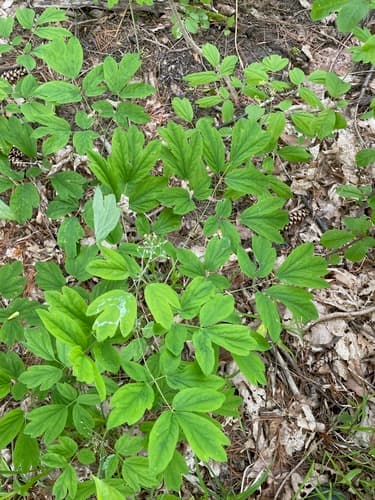
Blue Cohosh is a perennial woodland herb, typically growing 1-3 feet tall. It features large, glaucous, thrice-ternately compound leaves with ovate to oblong leaflets that are often lobed or toothed. Small yellowish-green to purplish flowers appear in early spring, followed by distinctive blue, berry-like seeds.