Solanum crotonifolium
Image: Conveyor Belt (cc0)
NameSolanum crotonifolium
Scientific NameSolanum crotonifolium
Common NamesCroton-leaved Nightshade
Plant FamilySolanaceae
Natural HabitatNative to the montane and cloud forests of the Andean region in South America, particularly Colombia, Ecuador, and Peru. It thrives in disturbed areas and forest edges at elevations typically between 1500 and 2000 meters.
Parts Usedleaf,fruit
Medicinal Actionsanalgesic, anti-inflammatory, antimicrobial
Traditional UsesSpecific traditional medicinal uses for Solanum crotonifolium are not widely documented in available ethnobotanical literature. However, other species within the Solanum genus are traditionally used for their anti-inflammatory and analgesic properties, often applied topically, but internal use is generally cautioned due to toxicity.
Active ConstituentsSteroidal glycoalkaloids
Preparation Methodsinfusion, poultice
Contraindications & WarningsAll parts of Solanum species, including Solanum crotonifolium, are generally considered potentially toxic due to the presence of steroidal glycoalkaloids. Internal use is strongly discouraged without expert guidance. Symptoms of toxicity can include gastrointestinal upset, neurological effects, and cardiac issues. Avoid use during pregnancy, lactation, and in individuals with liver or kidney conditions.
Cultivation NotesPrefers well-drained soil and a tropical to subtropical montane climate. Can tolerate some disturbance and partial shade. Propagated by seed.
Rarityuncommon
Description
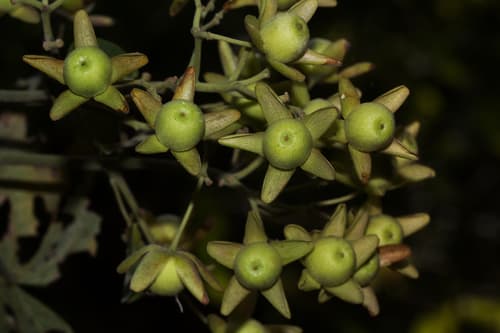
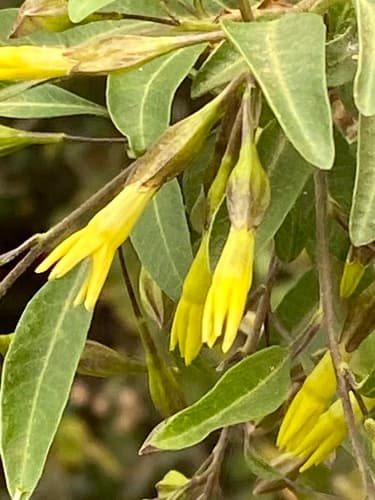
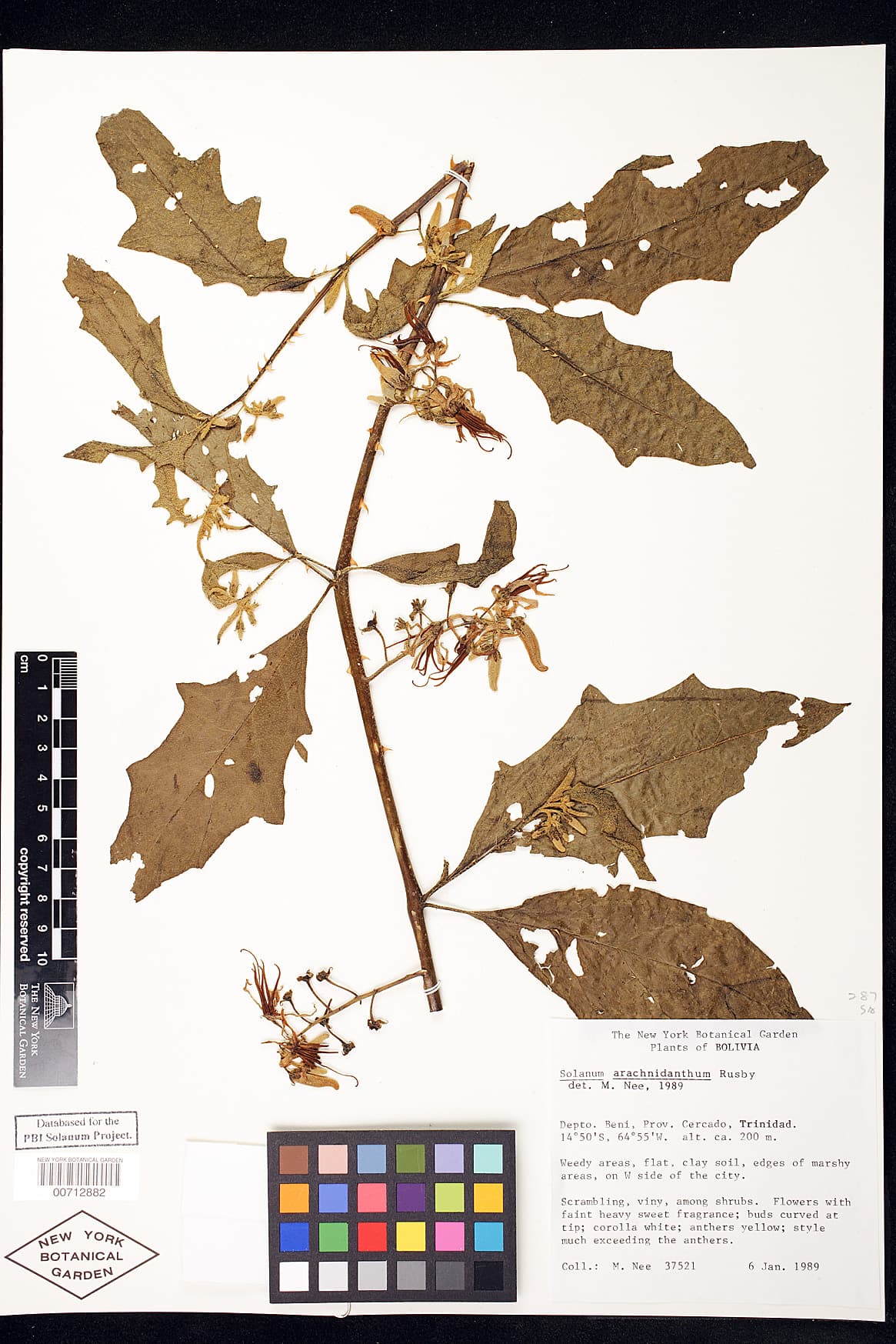
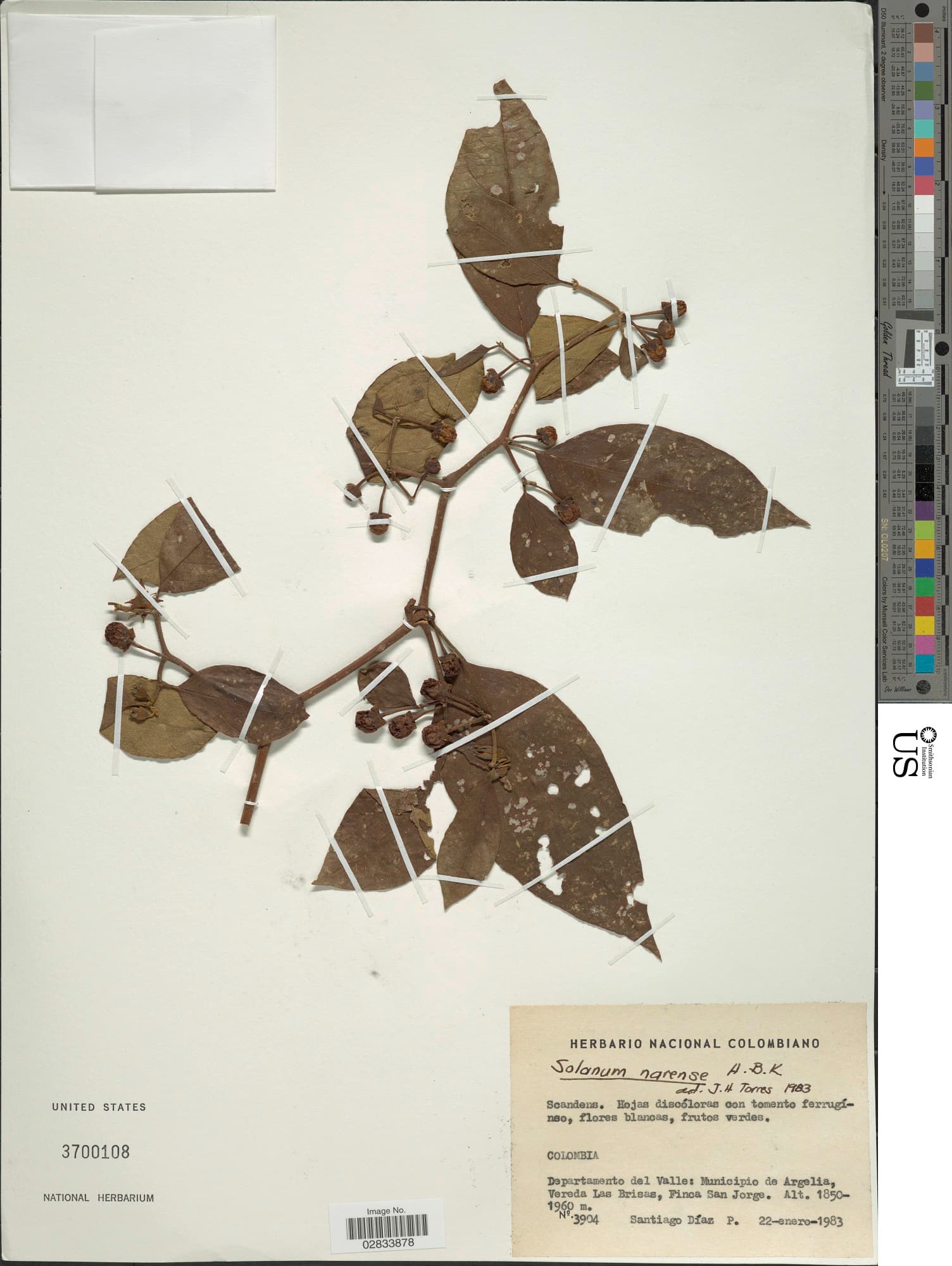
A scrambling shrub or small tree, characterized by its discolored leaves covered in rusty-brown stellate hairs. It produces clusters of white flowers followed by green berries that mature to other colors.