Convolvulus libanoticus
NameConvolvulus libanoticus
Scientific NameConvolvulus libanoticus
Common NamesLebanese Bindweed
Plant FamilyConvolvulaceae
Natural HabitatNative to the Eastern Mediterranean region, including Lebanon, Syria, and Turkey. It thrives in dry, rocky, and often calcareous soils, typically found in open, sunny habitats such as garrigue, steppe, and rocky slopes.
Parts Used
Traditional UsesSpecific traditional medicinal uses for Convolvulus libanoticus are not widely documented in ethnobotanical literature. The genus Convolvulus generally contains species known for purgative properties, but this specific species lacks recorded traditional applications.
Contraindications & WarningsSpecific contraindications for Convolvulus libanoticus are not documented due to its lack of established medicinal use. However, caution is generally advised with Convolvulus species, as many contain potent purgative compounds that can cause gastrointestinal distress, dehydration, and electrolyte imbalance.
Cultivation NotesThis plant prefers full sun and well-drained, rocky or sandy soil. It is drought-tolerant once established and suitable for rock gardens or xeriscaping in Mediterranean climates.
Rarityuncommon
Description
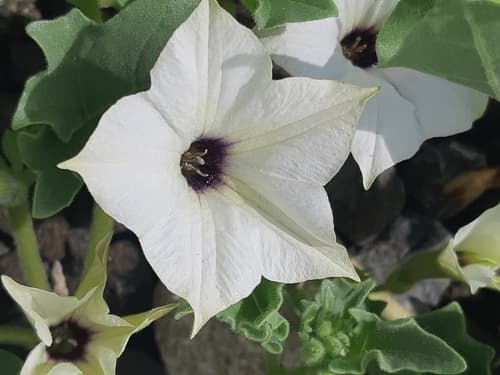
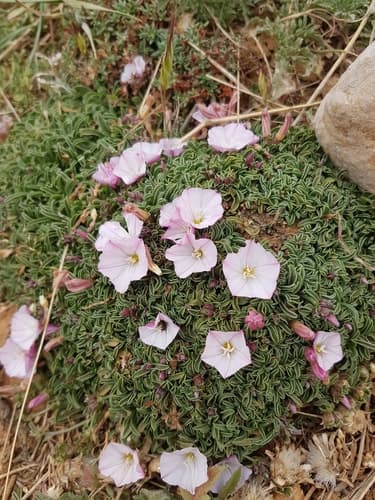
Convolvulus libanoticus is a low-growing, mat-forming perennial herb characterized by its small, linear to spatulate, often silvery-green leaves. It produces numerous pale pink to white, funnel-shaped flowers, typical of the bindweed genus, often with a darker pink stripe.