Ipomoea silvicola
NameIpomoea silvicola
Scientific NameIpomoea silvicola House
Common NamesForest Morning Glory, Silvicola Morning Glory
Plant FamilyConvolvulaceae
Natural HabitatNative to tropical and subtropical regions, Ipomoea silvicola thrives in forested areas, forest edges, clearings, and disturbed habitats, often found climbing on other vegetation.
Parts Usedleaf,root
Medicinal Actionsanti-inflammatory, nervine, sedative
Traditional UsesSpecific traditional medicinal uses for Ipomoea silvicola are not widely documented in ethnobotanical literature. However, other species within the Ipomoea genus are traditionally used as purgatives, for pain relief, or for their psychoactive properties due to alkaloid content.
Active Constituentsergoline alkaloids, resins, glycosides
Preparation Methodsinfusion, decoction, powder
Contraindications & WarningsDue to the potential presence of purgative compounds and psychoactive alkaloids common in the Ipomoea genus, caution is advised. Not recommended for pregnant or lactating individuals, or those with gastrointestinal issues. May interact with CNS depressants or other medications.
Cultivation NotesThis fast-growing vine prefers full sun to partial shade and well-drained soil. It can be propagated by seed or cuttings and requires support for climbing. It is generally hardy in warm climates.
Raritycommon
Description
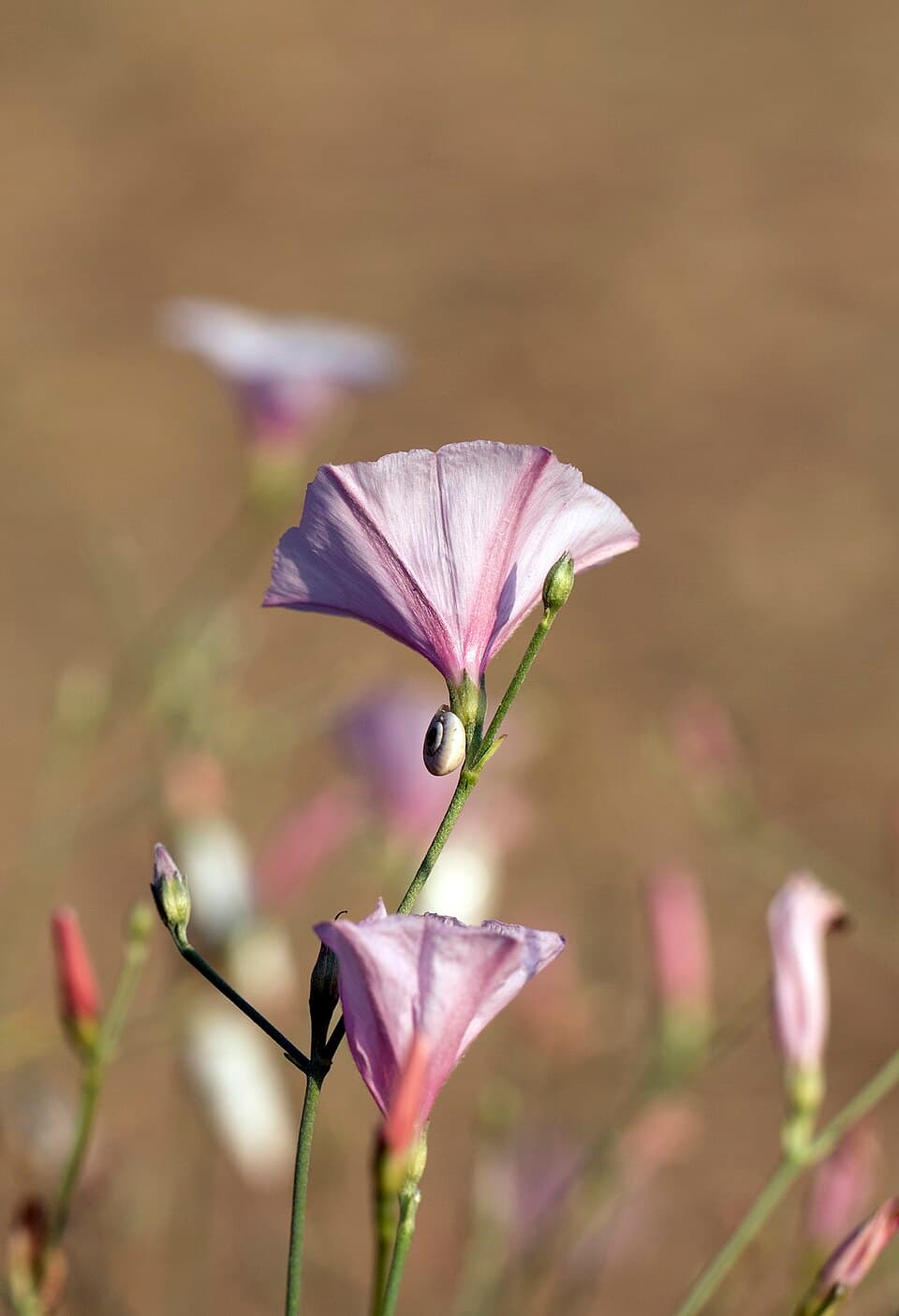
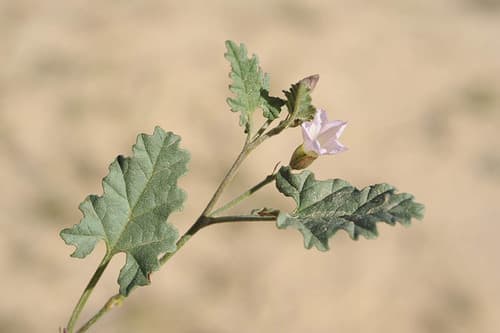
This perennial climbing vine features heart-shaped to ovate leaves and striking funnel-shaped flowers. The blossoms are typically purplish-pink to lavender, fading to a paler, often white, throat, characteristic of many morning glory species.