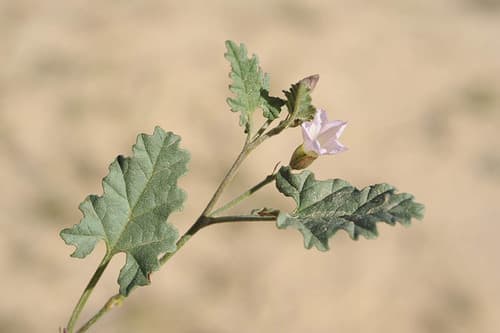
Convolvulus fatmensis
NameConvolvulus fatmensis
Scientific NameConvolvulus fatmensis
Common NamesFatmensis Bindweed, Desert Bindweed
Plant FamilyConvolvulaceae
Natural HabitatNative to arid and semi-arid regions of North Africa and the Arabian Peninsula, it thrives in sandy soils, wadis, and rocky desert environments.
Parts Usedwhole_plant,leaf
Medicinal Actionsastringent, anti-inflammatory
Traditional UsesTraditionally, some Convolvulus species, including those found in desert regions, have been used in folk medicine for their purgative properties. The leaves might be applied externally as a poultice for skin irritations or minor wounds.
Active Constituentsresin glycosides, flavonoids, tannins
Preparation Methodsinfusion, poultice, powder
Contraindications & WarningsDue to potential purgative effects in the genus, caution is advised. Avoid during pregnancy, breastfeeding, and in cases of intestinal obstruction or severe gastrointestinal issues. Consult a healthcare professional before use.
Cultivation NotesThis hardy desert plant prefers full sun and well-drained, sandy or rocky soils. It is drought-tolerant once established and generally requires minimal care, often considered a resilient species in its native habitat.
Raritycommon
Description
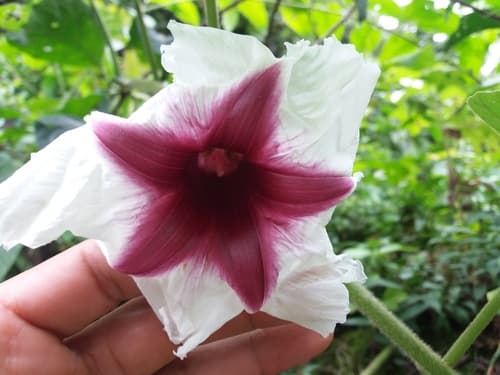
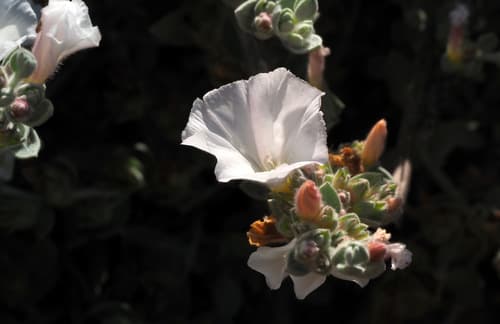
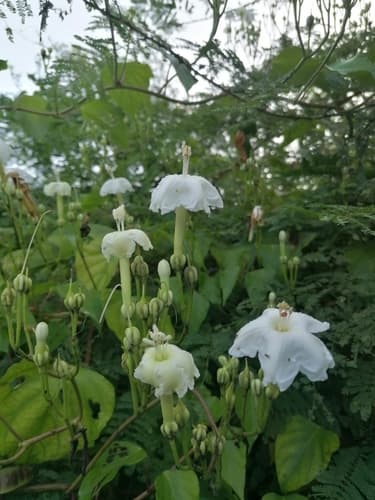
This herbaceous plant features alternate, deeply lobed leaves that are often hairy. It produces solitary, funnel-shaped flowers, typically pale pink or white, emerging from the leaf axils.