Convolvulus oxysepalus
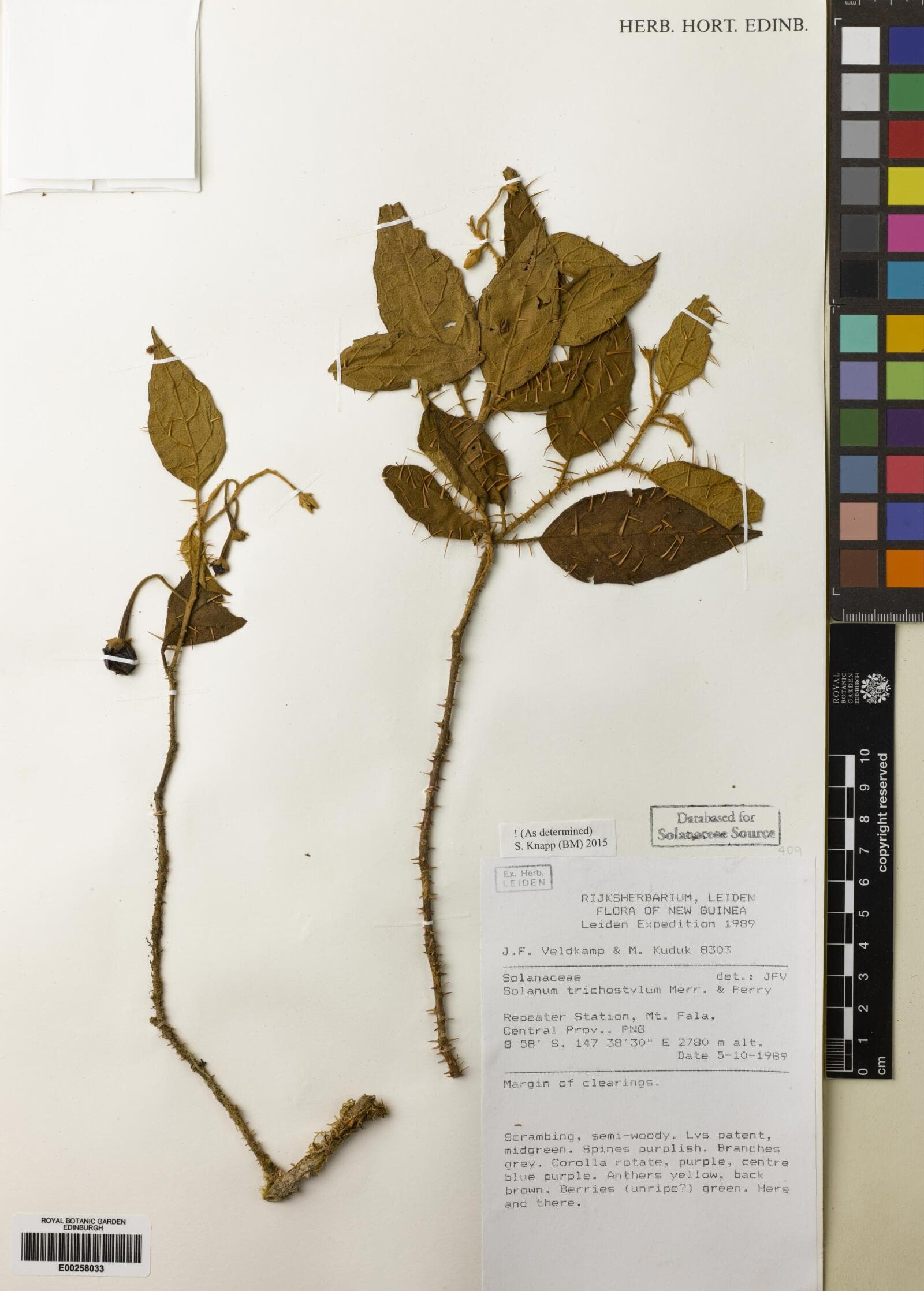
Image: Royal Botanic Garden Edinburgh (cc0)
NameConvolvulus oxysepalus
Scientific NameConvolvulus oxysepalus
Plant FamilyConvolvulaceae
Natural HabitatThis species thrives in arid, high-altitude steppe environments. It has been documented in the Khabr va Rouchun protected region of Kerman Province, Iran, at an elevation of 1900 meters, growing within Otostegia-Fortuynia-Artemisia steppe vegetation.
Parts Usedwhole_plant
Medicinal Actionsdiuretic
Traditional UsesWhile specific traditional medicinal uses for Convolvulus oxysepalus are not widely documented, other species within the Convolvulus genus are historically known for their strong purgative properties due to resin glycosides. Some species have also been traditionally employed as diuretics or for various external applications.
Active Constituentsresin glycosides
Preparation Methodsinfusion, decoction, powder
Contraindications & WarningsAs with many plants in the Convolvulus genus, potential purgative effects could lead to dehydration and electrolyte imbalance. It should be used with caution, especially by pregnant or nursing individuals, or those with pre-existing gastrointestinal conditions. Specific contraindications for C. oxysepalus are not well-documented.
Cultivation NotesThis plant likely prefers dry, well-drained, sandy or rocky soils and full sun, consistent with its natural arid steppe habitat. It is adapted to high altitudes and is expected to be drought-tolerant. Propagation methods are not widely documented but typically involve seeds or cuttings for similar species.
Rarityuncommon
Description
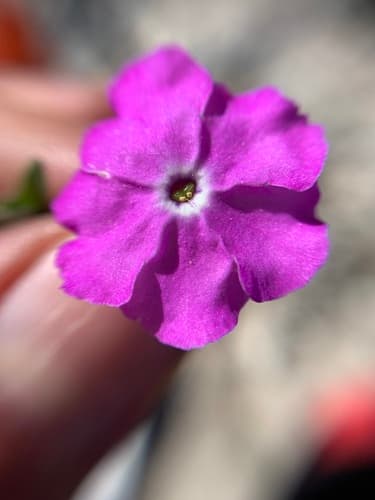
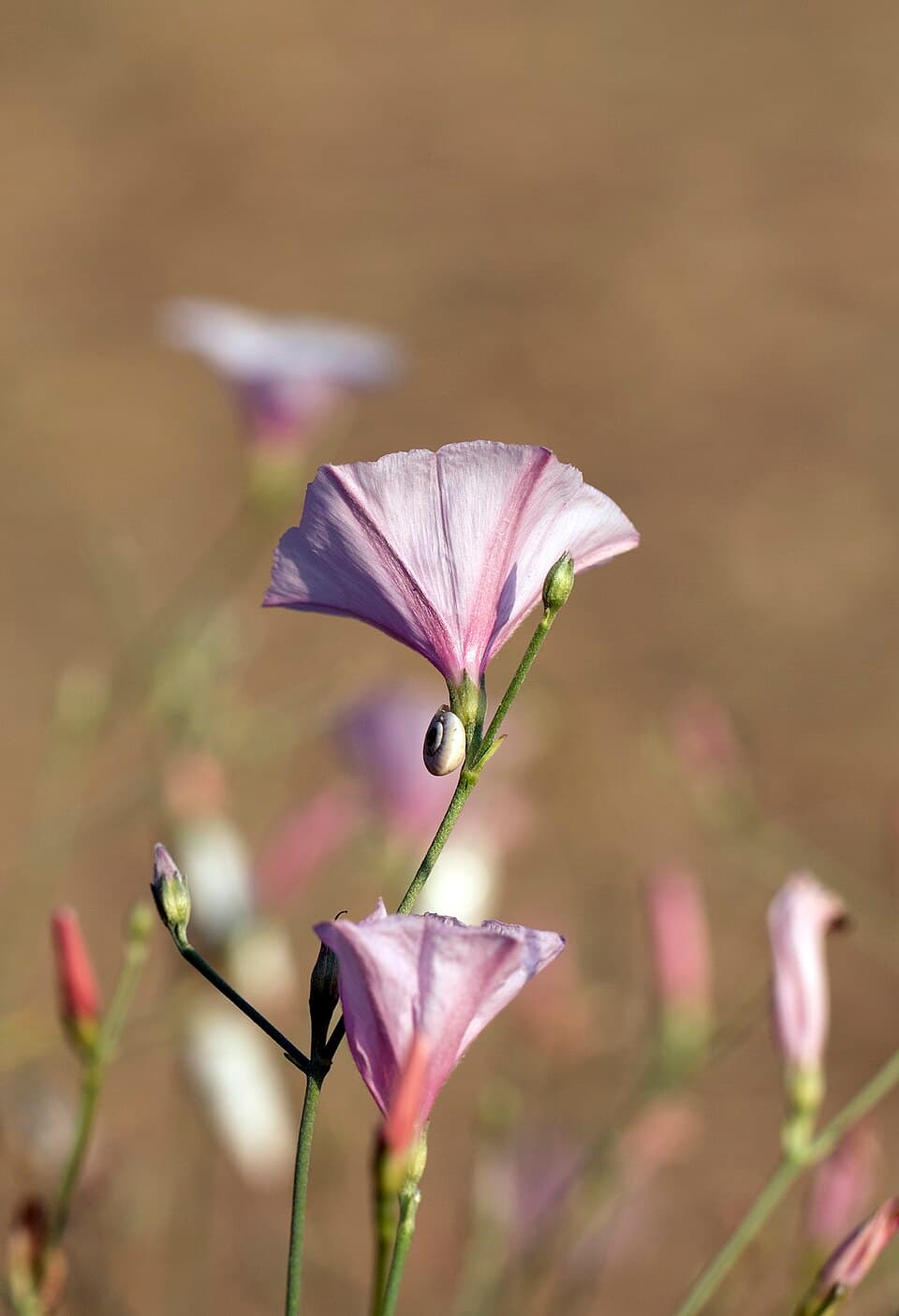
Convolvulus oxysepalus is a perennial herbaceous plant or subshrub, characterized by its slender, branching stems and small, often pubescent leaves. The plant bears small, clustered flowers with prominent, sharp sepals, which give the species its specific epithet. The overall habit is typically bushy or sprawling.